
Israel election 2026: Massive protests erupt ahead of pivotal vote
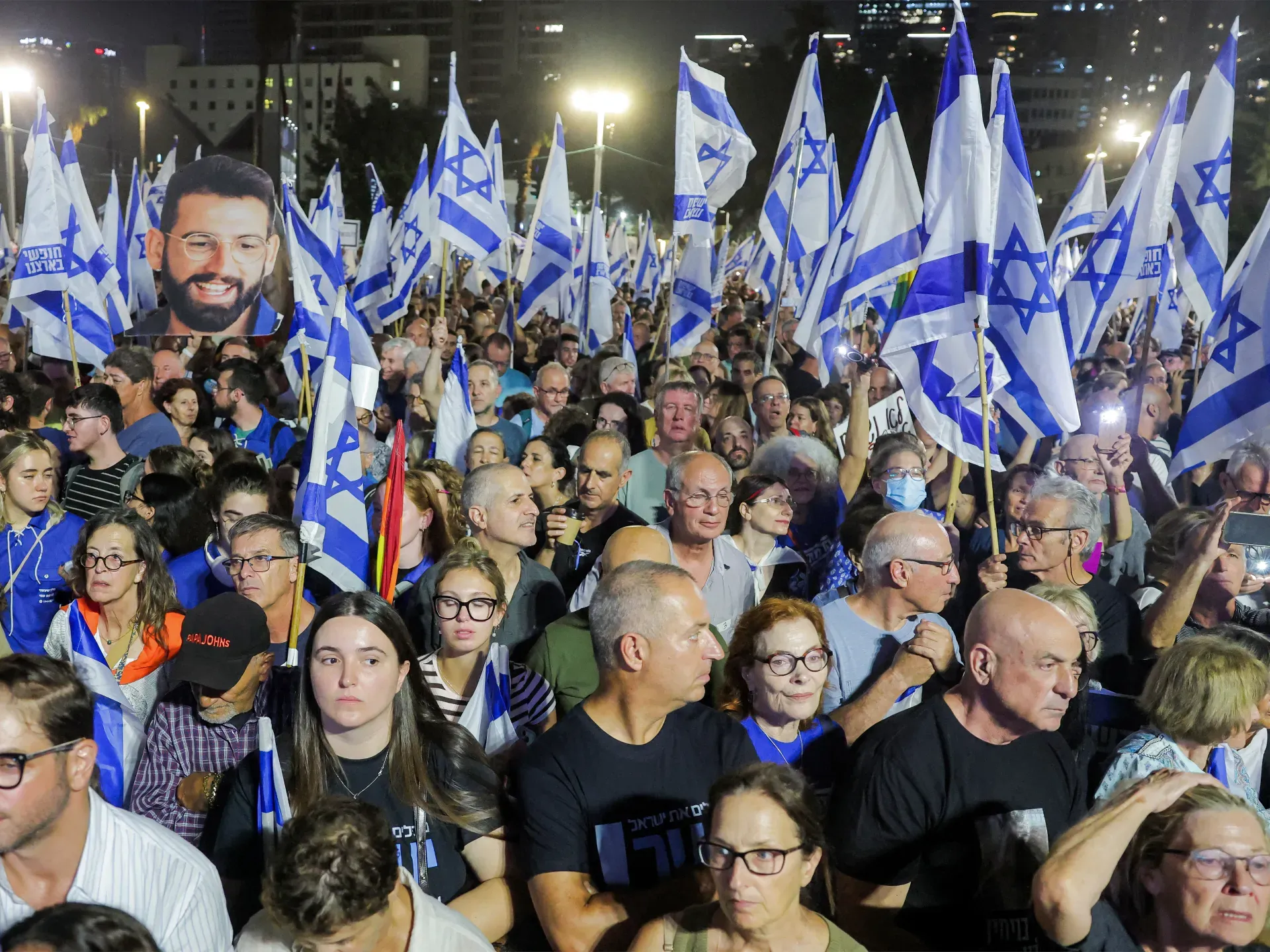
The Israel election 2026 is approaching amidst intense civil unrest and significant political polarization. Thousands of demonstrators gathered in Tel Aviv on Saturday to protest against the government of Benjamin Netanyahu, demanding an independent inquiry into the security failures of October 7, 2023. As the nation prepares for Tuesday's general election—the first since the conflict in Gaza began—polls indicate a neck-and-neck race between Netanyahu’s right-wing bloc and the opposition led by Gadi Eisenkot. This article examines the protest movements, the primary political contenders, and the potential impact of the election on regional security and foreign policy.
October 27, 2026
5 min read
Source: ASHENVOW
Why are Israelis protesting ahead of the election?
The primary driver of the current unrest is the demand for accountability regarding the security breaches that allowed the October 7, 2023, attacks to occur. Demonstrators converged on Hostages Square in Tel Aviv to voice their dissatisfaction with the current administration's handling of national security and the fate of captives taken to Gaza three years ago.
The protests are largely spearheaded by the October Council, an organization composed of families of those captured during the Hamas attack. The group is advocating for the establishment of a state commission of inquiry to uncover the truth behind the intelligence and military failures. According to a statement released by the October Council on X, the rally served as a culminating event in a three-year struggle for justice and transparency.
Tensions during these gatherings have remained high. The October Council reportedly alerted law enforcement to potential provocations from individuals linked to the governing coalition, expressing concerns that pro-government agitators might attempt to disrupt the demonstrations. This friction highlights the deep societal divisions currently facing the Israeli electorate.
What is the current state of the Netanyahu government's response?
The Netanyahu administration has resisted calls for a fully independent commission of inquiry, offering instead a compromise that critics argue lacks sufficient autonomy. The government's proposed "political" commission would be structured with a split in appointment authority: half of the members would be selected by the government, while the remaining half would be appointed by opposition legislators.
This proposal has become a central point of contention in the lead-up to the vote. Protesters and opposition leaders argue that a commission partially controlled by the sitting government cannot provide the impartial investigation necessary to address the gravity of the October 7 failures. The refusal to grant a completely independent mandate has fueled the momentum behind the anti-government rallies seen in Tel Aviv and other parts of the country.
Who are the main contenders in the Israel election 2026?
The upcoming election features a highly competitive race between the incumbent Benjamin Netanyahu and his primary challenger, Gadi Eisenkot. Current polling suggests that neither the right-wing bloc led by Netanyahu nor the opposition forces led by Eisenkot is expected to secure a decisive majority in the Knesset.
The political profiles of the leading candidates
Benjamin Netanyahu has maintained power through his right-wing coalition since late 2022. His platform is built on the continuity of his current policies, though he faces intense scrutiny regarding the security lapses of the past three years. His coalition represents the established right-wing bloc that has shaped Israeli politics throughout the ongoing conflict.
Gadi Eisenkot, representing the Yashar party, has emerged as the central figure for the center-right opposition. During the Tel Aviv protests, Eisenkot was met with chants of "The next prime minister," signaling a significant level of public support among the demonstrators. He is joined by other prominent opposition figures, such as Yair Golan, leader of the Democrats, who has called for fundamental political change.
How could the election results impact regional security?
The outcome of the election is expected to have significant implications for Israel's foreign policy, particularly regarding its stance toward Iran. While most Israeli political factions maintain a unified position on several key issues, the approach to military escalation varies between the leading candidates.
Analysts suggest that a victory for Gadi Eisenkot could lead to a more cautious approach toward military engagement with Tehran. Eisenkot is widely believed to be less inclined than Netanyahu to initiate a new round of military strikes against Iran. This distinction represents one of the few areas where the two primary political blocs diverge significantly in their strategic outlook.
Despite these differences in military temperament, there is a broad consensus among the major political players in Israel regarding the Palestinian issue. Leading parties and politicians across the spectrum remain united in their opposition to the establishment of an independent Palestinian state, indicating that the core tenets of Israel's long-term foreign policy may remain stable regardless of the election outcome.
FAQ: Israel election 2026
What is the main demand of the protesters in Tel Aviv?
Protesters are demanding the establishment of an independent state commission of inquiry. They seek to uncover the truth behind the security failures that led to the October 7, 2023, attacks and to hold government officials accountable for the events that preceded the current war.
Who is leading the opposition in the upcoming election?
Gadi Eisenkot, the leader of the Yashar party, is the primary center-right rival to Prime Minister Benjamin Netanyahu. He has gained significant momentum from recent anti-government demonstrations and is currently neck-and-neck with the incumbent in the polls.
Will the election result in a clear majority for one bloc?
Current polling suggests that neither the Netanyahu-led right-wing bloc nor the Eisenkot-led opposition is projected to obtain a majority of seats in the Israeli parliament. This indicates a potentially fragmented Knesset that could lead to complex coalition negotiations.
How does the government propose to handle the inquiry?
The Netanyahu government has declined the demand for a fully independent commission. Instead, it has offered to create a "political" commission where half of the members are appointed by the government and the other half are appointed by opposition legislators.
Does the election impact Israel's policy toward Iran?
Yes, the election could be a turning point for regional military policy. While most parties oppose a Palestinian state, Gadi Eisenkot is perceived as being less inclined to pursue military strikes against Iran compared to the current Netanyahu administration.
Key takeaways
- Protesters in Tel Aviv are demanding an independent inquiry into the October 7 security failures.
- The election features a tight race between Benjamin Netanyahu and Gadi Eisenkot.
- Neither the right-wing nor the opposition bloc is projected to win a parliamentary majority.
- Gadi Eisenkot is viewed as a more cautious candidate regarding military action against Iran.
- Most Israeli political parties remain unified in their opposition to an independent Palestinian state.
The path toward a new government
As Israel approaches Tuesday's vote, the nation remains deeply divided between those seeking continuity under Netanyahu and those demanding a fundamental shift in leadership and accountability. The razor-thin margins in recent polling suggest that the formation of a stable government will be a difficult process. Whether the resulting administration prioritizes the demands for a state inquiry or maintains the current political framework will likely define Israel's domestic stability and its strategic posture in the Middle East for the coming years.



