
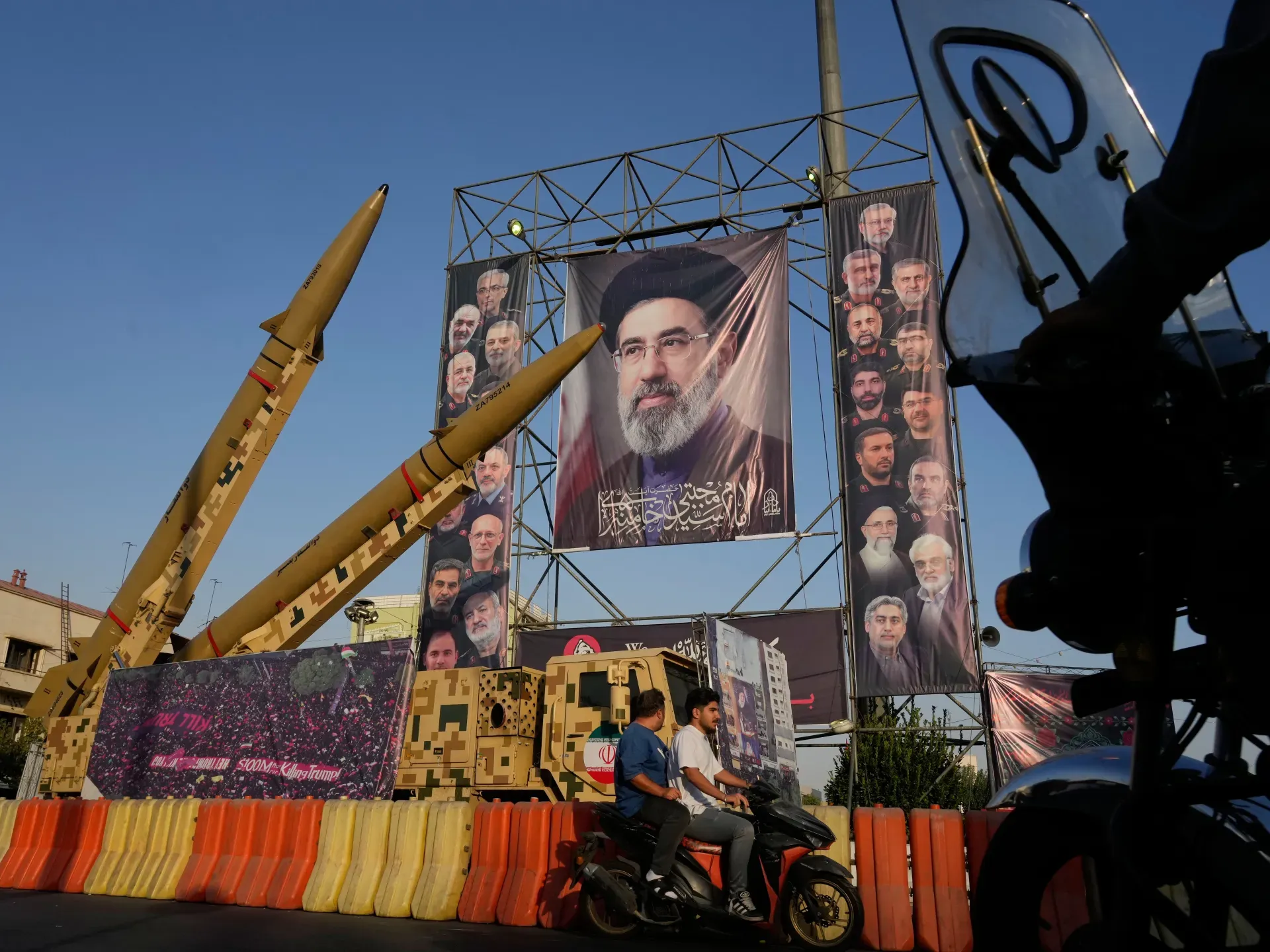
Iran US-Israel war: Pezeshkian blames US for deal failure
The Iran US-Israel war faces a critical escalation point as Iranian President Masoud Pezeshkian blamed Washington for the collapse of an interim peace agreement. This breakdown occurs amid heightened fears that military operations could resume imminently following threats from US President Donald Trump. According to reports from October 24, 2026, the Iranian government is urging a return to negotiations while simultaneously preparing for potential retaliatory strikes. This article examines the diplomatic breakdown, the military threats from both the US and Iran, and the internal political pressures driving the current crisis.
October 27, 2026
5 min read
Source: ASHENVOW
Why is the interim peace deal between Iran and the US failing?
Iranian President Masoud Pezeshkian has directly attributed the unravelling of the recent interim agreement to the actions and stance of the United States. In statements broadcast by Press TV on October 24, 2026, the President argued that the collapse of the deal prevents a definitive end to the ongoing conflict with the US and Israel. Despite this blame, Pezeshkian has expressed a desire for both parties to return to the negotiating table to finalize a permanent settlement.
The failure of this interim framework has left a vacuum in regional security, raising the possibility of a return to active combat. The breakdown is particularly significant as it follows months of tension that began with the initial strikes on February 28, 2026. While the deal was intended to provide a roadmap for de-escalation, the lack of mutual trust has prevented its successful conclusion.
What are the threats of renewed military action?
The prospect of renewed fighting has intensified following comments from US President Donald Trump regarding potential future military operations. Trump indicated on Friday that he "may do another little Epic Fury," referring to the codename of the US-Israeli military campaign against Iran that commenced in late February 2026. This rhetoric has significantly increased the perceived risk of an imminent strike.
In response to these threats, the Iranian military leadership has issued stern warnings regarding the consequences of further aggression. The Islamic Revolutionary Guard Corps (IRGC) has stated that even strikes of a limited nature would provoke a response from Tehran that is "several times greater" than the initial attack, according to the Fars News Agency.
The stance of the Iranian Armed Forces
The Iranian military's position is characterized by a total rejection of US presence in the region. Ali Abdollahi, the Chief of Staff of the Iranian Armed Forces, asserted on Saturday that the US military will not be permitted in the Gulf under any circumstances. Abdollahi dismissed the possibility of US forces entering the Gulf, suggesting that such an event is an impossibility that President Trump can only "dream" of achieving.
How are political elections influencing the conflict?
The escalation of the Iran US-Israel war is being driven by significant domestic political pressures within both the United States and Israel. In the United States, President Trump is approaching crucial midterm elections on November 3, 2026. The political stakes are high, as Democrats have the potential to gain control of both the House of Representatives and the Senate, which would represent a major setback for the Trump administration's foreign policy agenda.
Similarly, Israeli Prime Minister Benjamin Netanyahu is facing domestic political pressure as his country prepares for elections on Tuesday. Netanyahu has maintained a hardline stance, stating his continued commitment to the goal of overthrowing the Iranian government. These upcoming electoral cycles create a context where leaders may feel pressured to demonstrate strength through decisive military action or uncompromising diplomatic positions.
What is the current state of Iran's leadership?
The Iranian leadership structure has undergone significant changes since the outbreak of the war in February 2026. The Supreme Leader, Mojtaba Khamenei, assumed his position following the assassination of his father during the opening strikes of the conflict. Since taking office in early March, Khamenei has maintained a low profile and has not been seen in public, creating a sense of uncertainty regarding the direct involvement of the Supreme Leader in daily operations.
Despite the Supreme Leader's absence from the public eye, high-level meetings continue to shape the country's direction. Recent discussions have included:
- Judiciary and Supreme Leadership: Judiciary chief Gholamhossein Mohseni Ejei met with Mojtaba Khamenei to discuss anti-corruption measures and compensation for citizens affected by the US-Israeli war.
- Legislative involvement: Parliament Speaker and chief negotiator Mohammad Bagher Ghalibaf held meetings with the Supreme Leader earlier in the week to coordinate national strategy.
The Iranian government's official stance remains one of prepared defense. Government spokesperson Fatemeh Mohajerani emphasized that while Tehran seeks peace and does not flee from dialogue, it will not wait for permission to defend itself and will respond to any aggression with severe consequences.
FAQ: Iran US-Israel war
Why is the US-Israeli war codenamed 'Epic Fury'?
Epic Fury is the official codename used for the US and Israeli military operations against Iran. The campaign began on February 28, 2026, and has since shaped the geopolitical landscape of the Middle East, leading to the current diplomatic and military tensions.
What has the IRGC said about potential US strikes?
The Islamic Revolutionary Guard Corps (IRGC) has warned that any military strikes against Iran, even if they are limited in scope, will result in a response from Iran that is several times greater in magnitude than the initial provocation.
Who is the current Supreme Leader of Iran?
Mojtaba Khamenei is the current Supreme Leader of Iran. He succeeded his father in early March 2026, following his father's assassination during the initial military strikes that marked the start of the war on February 28.
What are the upcoming political dates in the US and Israel?
The United States is approaching midterm elections on November 3, 2026, which could shift control of Congress. Meanwhile, Israel is scheduled to hold elections on Tuesday, which may impact Prime Minister Netanyahu's political standing and foreign policy approach.
What is Iran's official position on the peace negotiations?
Iran's official position, as stated by spokesperson Fatemeh Mohajerani, is that the country seeks peace and remains open to dialogue. However, the government maintains that it will not hesitate to use force to defend the nation against any form of aggression.
Key takeaways
- President Pezeshkian blamed the US for the failure of the recent interim peace agreement.
- President Trump suggested potential new military actions under the 'Epic Fury' codename.
- The IRGC warned that any further strikes would trigger a massive retaliatory response.
- Upcoming US midterms and Israeli elections are influencing the leadership's military stances.
- Mojtaba Khamenei has remained out of the public eye since becoming Supreme Leader in March.
Conclusion
The collapse of the interim peace deal marks a dangerous turning point in the Iran US-Israel war. With both the US and Iranian leadership facing significant domestic political pressures—ranging from US midterms to Israeli elections—the incentive for de-escalation is being countered by the need to project strength. While Tehran maintains a rhetorical openness to dialogue, the military warnings from the IRGC and the potential for renewed 'Epic Fury' operations suggest that the region remains on the precipice of further large-scale conflict. The coming weeks will be decisive in determining whether diplomacy can be revived or if military escalation becomes inevitable.



