
Iran ceasefire talks: US and Tehran signal potential deal
Iran ceasefire talks have entered a critical phase as US President Donald Trump and Iranian officials signal potential progress toward a negotiated settlement. Tehran has proposed an accelerated seven-step plan that could see the Strait of Hormuz reopened within two days, provided US conditions are met. This development follows a period of heightened military tension and has already impacted global markets, with oil prices reportedly dropping by nearly $10 a barrel. This article examines the current diplomatic offers, the specific demands from both Washington and Tehran, and the potential impact on regional security and energy markets.
November 8, 2026
6 min read
Source: ASHENVOW
What is the current status of the Iran ceasefire talks?
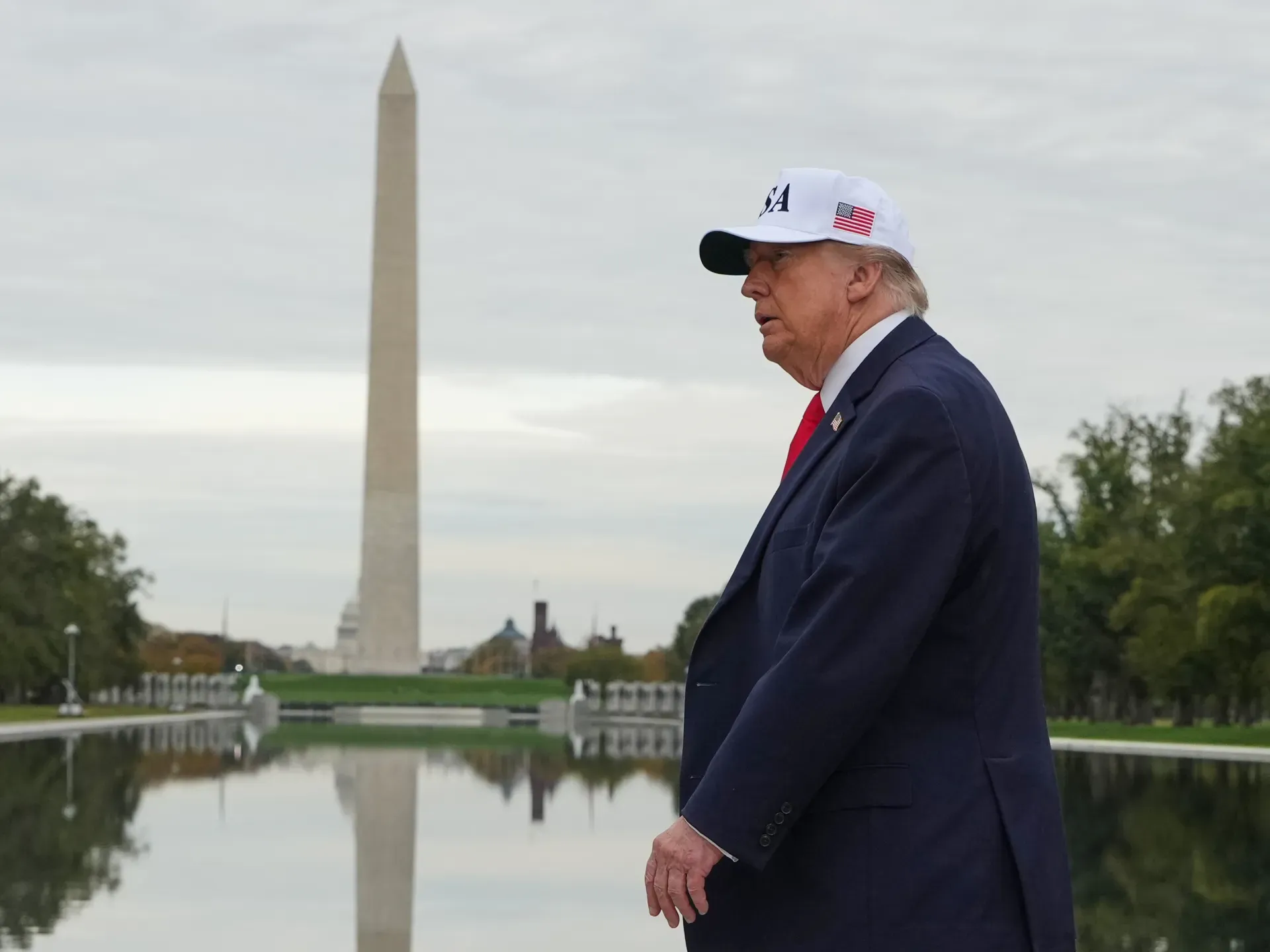
US President Donald Trump has indicated that negotiations between Washington and Tehran are moving toward a positive resolution. Speaking at the Lincoln Memorial Reflecting Pool on November 2, 2026, Trump noted that the process appeared to be "coming together very nicely." This optimism was echoed on his social media platform, Truth Social, where he suggested that Iran is seeking a settlement as quickly as possible.
The diplomatic movement comes amid significant regional instability. While the US administration has expressed optimism, the possibility of continued military action remains a factor in the negotiations. The administration's stance suggests that while a deal is preferred, the US maintains its readiness to use military force if a verifiable agreement is not reached.
The role of US leadership in negotiations
Vice President JD Vance has reinforced the administration's optimistic outlook, noting that Washington has engaged in several productive conversations with Iranian representatives. During a briefing at Joint Base Andrews, Vance emphasized that the goal is a negotiated settlement that ensures long-term stability. However, he was clear that the US has not imposed a specific deadline for these talks to conclude, maintaining that both military and non-military options remain on the table.
How has Tehran responded to the diplomatic opening?
Iranian officials have significantly accelerated their timeline for a potential ceasefire, moving from a one-week implementation window to just two days. According to the Iranian Ministry of Foreign Affairs, the government's seven-step plan is ready for immediate execution if the United States agrees to specific terms. This acceleration follows a directive from Iran's Supreme Leader, Mojtaba Khamenei, who granted the government expanded powers to expedite talks with Washington to end the ongoing conflict.
The Iranian proposal is centered on two primary objectives: the swift reopening of the Strait of Hormuz and the resumption of formal negotiations regarding Iran's nuclear programme. Iranian Foreign Minister Abbas Araghchi has stated that while Tehran is prepared for diplomacy, it remains equally ready for military confrontation if its conditions are not met. This dual-track approach highlights the high stakes involved in the current diplomatic push.
Tehran's specific demands for a settlement
For the Iranian proposal to be implemented, Tehran requires several key concessions from the United States. These demands include:
- The lifting of the current US naval blockade on Iranian ports.
- The repeal of existing economic sanctions against the country.
- A formal guarantee that US military strikes against Iran will cease.
- The establishment of a comprehensive regional ceasefire, with a particular focus on the situation in Lebanon.
Iranian Foreign Ministry spokesman Esmaeil Baghaei emphasized that the speed of the process depends entirely on the American response. He noted that if these conditions are satisfied, security in the Strait of Hormuz can be restored almost immediately.
What are the core requirements from the United States?
The United States has established strict parameters for any potential agreement, focusing heavily on verification and the containment of Iran's nuclear capabilities. Vice President JD Vance stated that any settlement must include a "firm commitment and a verifiable commitment" that Iran will not attempt to rebuild its nuclear programme. This follows previous US military actions that Vance claimed had successfully destroyed parts of the programme.
Washington's approach appears to be one of "maximum pressure" balanced with the potential for rapid de-escalation. The administration is seeking more than just a cessation of hostilities; it is looking for a structural change in Iran's regional behavior and nuclear ambitions. The lack of a hard deadline suggests a strategic patience, though the administration has not ruled out resumed strikes following the US midterm elections on November 3.
How are global energy markets reacting to the news?
The prospect of a ceasefire and the reopening of the Strait of Hormuz has had an immediate and measurable impact on global oil prices. President Trump attributed a recent decline in oil prices of nearly $10 per barrel to the market's anticipation of an end to the conflict. The Strait of Hormuz is one of the world's most vital maritime chokepoints, and any reduction in the perceived risk of its closure tends to stabilize energy costs.
The correlation between diplomatic signals and market volatility underscores the global significance of the US-Iran standoff. As long as the threat of war remains, oil prices are likely to remain sensitive to every development in the negotiation process. A successful implementation of the Iranian plan would likely lead to further stabilization in the energy sector.
Economic implications of the conflict
While the potential for a deal is driving prices down, the ongoing conflict has already caused significant economic disruption. Reports indicate that US oil firms have profited heavily from the instability, with some estimates suggesting gains of $130 billion, even as household energy bills have surged globally. This economic tension adds another layer of domestic pressure on the US administration to reach a resolution that stabilizes both regional security and global energy markets.
FAQ: Iran ceasefire talks
What is the Iranian proposal for a ceasefire?
Iran has proposed a seven-step plan that includes the immediate reopening of the Strait of Hormuz and a return to nuclear negotiations. The government claims this plan can be implemented within two days if the United States meets Tehran's demands regarding sanctions and naval blockades.
What are the US conditions for a deal?
The United States requires a firm, verifiable commitment from Iran that it will not rebuild its nuclear programme. Vice President JD Vance has emphasized that any agreement must be enforceable and that the US retains all military options if these conditions are not met.
How have oil prices been affected by these talks?
Oil prices have dropped by approximately $10 per barrel following signals of progress in the negotiations. This decline is attributed to market expectations that a ceasefire could soon reopen the Strait of Hormuz and reduce the risk of maritime conflict.
Will there be a deadline for the negotiations?
Currently, the United States has not set a formal deadline for reaching a settlement. However, President Trump has indicated that the conflict will end "one way or the other" very soon, suggesting that the window for a diplomatic solution may be limited.
What role does the Strait of Hormuz play in this conflict?
The Strait of Hormuz is a critical maritime passage for global oil transit. Iran has used the threat of closing the Strait as leverage, while the US seeks to ensure its freedom of navigation and regional security through a negotiated settlement.
Key takeaways
- Tehran has accelerated its ceasefire implementation timeline to just two days.
- US President Trump signaled optimism regarding potential progress in negotiations.
- Oil prices fell by nearly $10 a barrel on news of possible talks.
- Iran demands the lifting of sanctions and the end of the naval blockade.
- The US insists on verifiable commitments regarding Iran's nuclear programme.
The path toward regional stability
The current diplomatic momentum represents a significant shift from active military confrontation toward a potential settlement. However, the gap between Tehran's demands—such as the repeal of sanctions and a regional ceasefire—and Washington's requirement for verifiable nuclear non-proliferation remains substantial. The outcome of these talks will likely determine the security landscape of the Middle East for years to come, affecting everything from maritime trade routes to global energy stability. Whether the upcoming days lead to a historic breakthrough or a return to military tension depends on the willingness of both sides to bridge these fundamental differences.



