
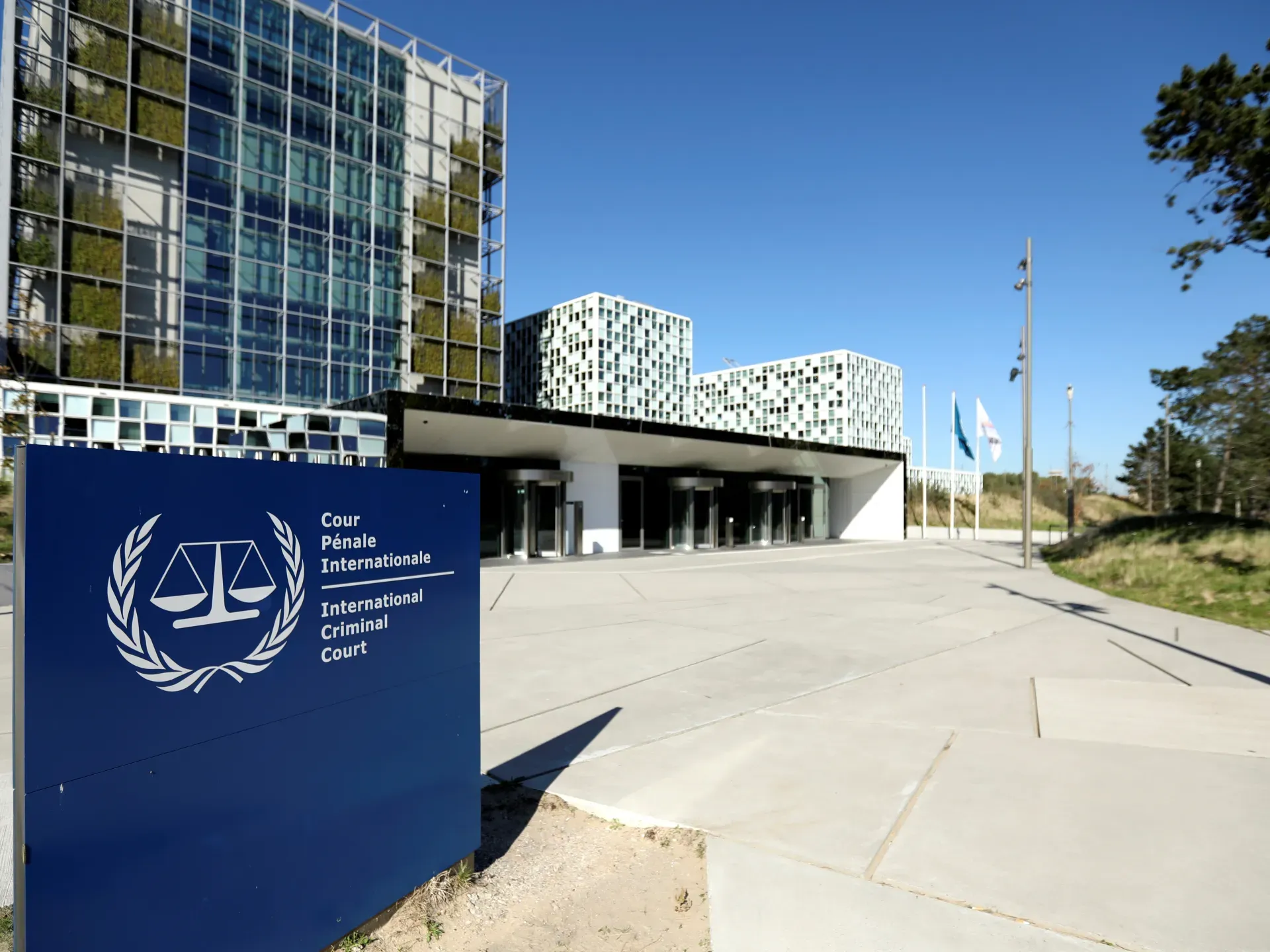
ICC Sakharov Prize: EU honors court despite US sanctions
The International Criminal Court (ICC) has been awarded the Sakharov Prize, the European Union's premier human rights accolade, following a period of intense geopolitical pressure. This recognition arrives less than two weeks after US President Donald Trump announced a series of sanctions intended to dismantle the tribunal. While the Trump administration aims to cripple the court's operations, the EU has reaffirmed its commitment to multilateralism and independent judicial institutions. This article examines the significance of the Sakharov Prize, the nature of the US sanctions, and the European Union's proposed legal countermeasures to protect the court.
October 27, 2026
5 min read
Source: ASHENVOW
Why did the European Union award the ICC the Sakharov Prize?
The European Union awarded the Sakharov Prize to the International Criminal Court to recognize its role in upholding international law and justice. European Parliament President Roberta Metsola stated that the prize reflects the EU's foundational respect for multilateralism and international institutions. This award serves as a formal endorsement of the court's mission to prosecute war crimes, crimes against humanity, and genocide.
The timing of the award is highly symbolic, occurring as the court faces what its leadership describes as unprecedented challenges. ICC President Tomoko Akane noted that the prize carries significant weight because it reaffirms the necessity of independent judicial bodies in a volatile global landscape. This recognition follows another major accolade for the court's sphere this month, as former ICC Judge Navi Pillay was awarded the Nobel Peace Prize for her contributions to international law and peace promotion.
The symbolic weight of the award
The Sakharov Prize is not merely a ceremonial gesture; it acts as a diplomatic shield for the ICC. By granting this award, the European Parliament has positioned the court's survival as a core interest of European values. This creates a direct ideological confrontation with the United States' current policy of delegitimizing the tribunal.
How is the Trump administration attempting to dismantle the ICC?
The Trump administration has pledged to dismantle the International Criminal Court "brick by brick" through a strategy of economic and operational strangulation. This campaign escalated significantly following the ICC's 2024 decision to issue arrest warrants for Israeli Prime Minister Benjamin Netanyahu and former Defence Minister Yoav Gallant. The US government views the court's jurisdiction as an infringement on American sovereignty.
According to US Secretary of State Marco Rubio, the sanctions are designed to cut off the court's ability to function. In a video statement shared on social media, Rubio declared that the United States and its citizens are not subject to the jurisdiction of what he termed a "fake ICC." The administration's strategy involves several layers of targeted pressure:
- Financial Restrictions: Banning transactions with the court to deplete its operational resources.
- Individual Sanctions: Targeting specific ICC judges and prosecutors to discourage legal proceedings.
- Broadened Scope: Sanctioning UN special rapporteurs and Palestinian rights groups that provide evidence to the tribunal.
The administration's goal is to render the court's day-to-day operations impossible by isolating it from the global financial and legal networks it requires to function.
What is the European Union's response to the US sanctions?
The European Union has responded to the US sanctions by pledging to take "any necessary measures" to ensure the ICC can continue its mission. EU chief Ursula von der Leyen has publicly advocated for the court's independence, stating that it must be free to pursue its work without the threat of intimidation or political pressure. The EU's stance is a direct counter-narrative to the isolationist approach taken by Washington.
While Brussels is attempting to use the six-month window before the sanctions take effect to engage in diplomatic dialogue with the United States, it is also preparing for a legal confrontation. EU officials are considering the implementation of a "blocking statute." Such a mechanism would legally prohibit EU entities from complying with the US sanctions, effectively creating a protective legal bubble around the ICC's operations within European territory.
The potential for a legal standoff
The implementation of a blocking statute would create a complex legal conflict between the US and the EU. It would force European companies and institutions to choose between complying with American law or adhering to European regulations. This tension highlights the growing divide between the US's unilateral approach to international law and the EU's commitment to a multilateral order.
What are the long-term implications for international justice?
The clash between the US and the EU over the ICC represents a fundamental struggle over the future of the international rules-based order. If the US sanctions successfully cripple the court, it could set a precedent where powerful nations can bypass international legal scrutiny with impunity. This would weaken the deterrent effect of the ICC regarding war crimes and genocide.
Conversely, the EU's support and the Sakharov Prize may bolster the court's legitimacy among its supporters. The survival of the ICC will likely depend on whether the financial and political costs of the US sanctions can be mitigated by the collective support of other international actors. The current standoff serves as a litmus test for whether international institutions can withstand the pressure of major powers seeking to redefine global legal norms.
FAQ: ICC Sakharov Prize and US Sanctions
Why did the US sanction the ICC?
The US administration, led by President Donald Trump, has sanctioned the ICC in response to the court's exercise of jurisdiction over US allies. Specifically, the campaign intensified after the ICC issued arrest warrants for high-ranking Israeli officials, which the US views as an illegitimate overreach of the court's authority.
What is the Sakharov Prize?
The Sakharov Prize is the European Union's highest human rights award. It is presented by the European Parliament to individuals or organizations that have made exceptional contributions to the defense of human rights and fundamental freedoms, as demonstrated by the ICC's recent recognition.
How long do the US sanctions take to implement?
The sanctions announced by the Trump administration are scheduled to come into force in six months. This period provides a window for diplomatic negotiations, though the EU is simultaneously preparing legal measures to protect the ICC from the upcoming restrictions.
What is a "blocking statute"?
A blocking statute is a legal mechanism used by jurisdictions like the EU to protect their citizens and entities from the extraterritorial application of foreign laws. In this context, it would be used to shield the ICC and its partners from the impact of US sanctions.
Who else is affected by the US sanctions?
The sanctions extend beyond the ICC itself. The US has also targeted ICC judges, prosecutors, UN special rapporteurs focused on Palestinian rights, and various Palestinian rights groups that provide essential evidence and documentation to the international tribunal.
Key takeaways
- The ICC received the EU's Sakharov Prize for its role in upholding international justice.
- President Trump's administration intends to dismantle the ICC using targeted financial sanctions.
- The US sanctions target not only the court but also its judges, prosecutors, and supporting groups.
- The EU is considering a "blocking statute" to protect the ICC from US legal pressure.
- The ICC's legal standing is under threat following warrants issued for Israeli officials.
Conclusion
The awarding of the Sakharov Prize to the International Criminal Court marks a critical juncture in the struggle for international legal authority. While the European Union has used this accolade to reaffirm its commitment to multilateralism, the Trump administration's aggressive sanctions strategy presents a direct threat to the court's operational viability. The upcoming six months will be a decisive period as the EU weighs diplomatic engagement against the implementation of protective legal statutes. Ultimately, the outcome of this confrontation will determine whether international judicial institutions can maintain independence in an increasingly polarized geopolitical environment.



