
Houthi attacks on Saudi Arabia and Yemen escalate in October
Houthi attacks on Saudi Arabia and Yemen have intensified throughout October 2026, involving ballistic missile strikes against civilian infrastructure and holy cities. According to reports on October 24, 2026, Aden International Airport has been targeted four times this month, while Saudi Arabia intercepted missiles aimed at Mecca and Medina. These developments follow the collapse of the 2022 ceasefire and signify a dangerous expansion of the conflict's geographic and humanitarian scope. This article examines the recent missile strikes, the impact on Yemeni civilian infrastructure, and the broader military escalation across the region.
October 27, 2026
6 min read
Source: ASHENVOW
What are the details of the recent missile strikes in Aden?
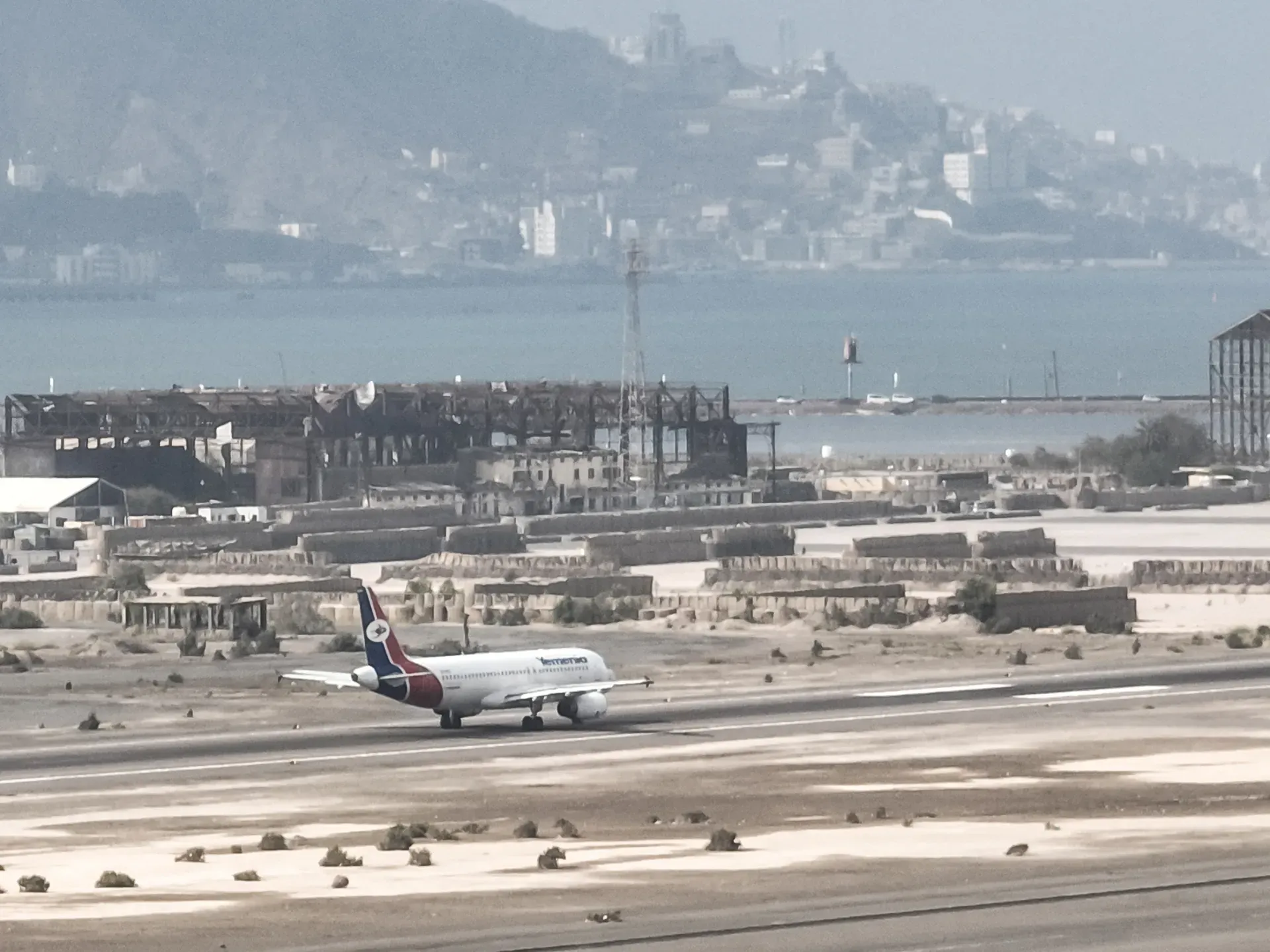
Houthi fighters have launched a series of targeted missile strikes against the seat of Yemen’s internationally recognised government in Aden, specifically hitting critical infrastructure. The Yemeni Transport Ministry reported on Saturday, October 24, 2026, that Aden International Airport was struck by two ballistic missiles. This incident marks the fourth time the airport has been targeted by the Houthi group within the current month.
The ministry expressed grave concerns regarding these strikes, noting that the targeting of the airport poses a direct threat to the safety of civil aviation. Beyond the immediate kinetic damage, the ministry warned that such actions carry significant humanitarian and economic repercussions for the Yemeni citizens who rely on the airport for essential travel and supplies. In addition to the airport, Yemeni authorities confirmed that the coastguard headquarters and a secondary building were also hit during the offensive.
Impact on Yemeni Infrastructure and Security
The focus on Aden's maritime and aviation hubs suggests a strategic attempt by the Houthis to disrupt the logistical capabilities of the internationally recognised government. By striking the coastguard base and the airport, the group targets the very mechanisms required for economic stability and international connectivity in southern Yemen. The recurring nature of these attacks—four in a single month—indicates a sustained campaign rather than isolated incidents.
How have Houthi missile strikes affected Saudi Arabia?
Saudi Arabia's civil defence reported on Saturday that Houthi ballistic missiles were launched toward the holy cities of Mecca and Medina. While the missiles were intercepted, Saudi authorities warned of the danger posed by falling shrapnel. Images released by the Saudi Press Agency provided visual evidence of a large, blackened, missile-shaped object that had landed within Saudi territory following the interception.
The Houthis have responded to these allegations by calling the claims of targeting the holy cities a "huge lie." Instead, the group asserted that their intended targets were three different Saudi airports, specific oil infrastructure, and an airbase. This pattern of targeting energy assets and aviation hubs has become a consistent feature of Houthi operations since the fragile 2022 ceasefire disintegrated in July 2026. The persistent threat to Saudi energy infrastructure remains a central tension in the regional security landscape.
What is the humanitarian impact of missile malfunctions and airstrikes?
The conflict has seen a rise in civilian casualties attributed to both missile malfunctions and retaliatory airstrikes. In Sanaa, a Houthi-held area, the Yemeni army reported that a Houthi missile killed three people on Friday after it malfunctioned and fell onto a family home. The army noted that such malfunctions have become increasingly frequent in recent weeks, highlighting the technical volatility of the weaponry being deployed by the Iran-backed group.
Simultaneously, the humanitarian situation is being exacerbated by claims of coalition air strikes. Houthi-run Al-Masirah TV claimed on Saturday that Saudi coalition air strikes resulted in several civilian deaths in both Sanaa and the port city of Hodeidah. While these specific claims of civilian deaths from Saudi raids could not be independently verified, they reflect the intense and lethal nature of the ongoing aerial and ground combat. The lack of verified data from both sides often leaves the true civilian toll obscured by wartime propaganda.
How intense is the current fighting on Yemen's front lines?
Intense fighting continues across Yemen’s primary front lines as the Houthis and the forces of the internationally recognised government compete for territorial control. On Saturday, Colonel Majed Abdullah al-Nazili, a spokesman for the Yemeni army, stated that government forces had conducted over 700 "targeting operations" within a 24-hour period. According to al-Nazili, these operations were designed to neutralize Houthi military presence and disrupt their logistics.
The military operations were concentrated in several key areas, including Taiz, where clashes have been particularly fierce for several days. The army's stated objectives included the destruction of field command centres, Houthi gatherings, weapons depots, and vital supply lines. While the Yemeni army claimed to have neutralized 300 Houthi fighters and disabled various military vehicles, these figures remain unverified by independent observers.
The Battle for Taiz and Regional Instability
The situation in Taiz serves as a microcosm of the broader Yemeni conflict, characterized by siege conditions and high-intensity urban combat. The ongoing struggle for control in this region contributes to a wider pattern of displacement and resource scarcity. As both sides intensify their kinetic operations, the likelihood of a return to diplomatic negotiations remains low, with both the Houthi movement and the internationally recognised government appearing committed to a military solution.
What has the international community said about these attacks?
Jasem Mohamed Albudaiwi, the Secretary-General of the Gulf Cooperation Council (GCC), issued a strong condemnation of the Houthi actions. In a statement shared on Saturday, Albudaiwi described the attacks as "heinous," arguing that they demonstrate a "blatant disregard for the lives and security of civilians." The GCC's stance underscores the regional concern regarding the Houthis' use of ballistic missiles against populated areas and critical infrastructure.
FAQ: Houthi attacks on Saudi Arabia and Yemen
What happened to Aden International Airport?
Aden International Airport was targeted by two Houthi ballistic missiles on October 24, 2026. This incident represents the fourth time the airport has been hit within the same month, according to the Yemeni Transport Ministry, raising significant concerns for civil aviation safety and regional economic stability.
Were Mecca and Medina targeted?
Saudi Arabia's civil defence reported that Houthi ballistic missiles were launched toward Mecca and Medina. While Saudi authorities intercepted the missiles, they warned of the dangers of falling shrapnel. The Houthis have denied targeting these holy cities, claiming their actual targets were Saudi airports and oil infrastructure.
Why are missiles falling on civilian homes in Sanaa?
The Yemeni army reported that a Houthi missile malfunctioned and fell on a family home in Sanaa, resulting in three deaths. This is part of a reported trend of missile malfunctions involving the Iran-backed group's weaponry occurring over recent weeks.
What is the status of the 2022 ceasefire?
The fragile ceasefire that was agreed upon in 2022 effectively fell apart in July 2026. Since then, the Houthis have frequently targeted Saudi energy infrastructure and aviation hubs with long-range strikes, leading to increased regional volatility.
How many Houthi fighters were neutralized recently?
According to Colonel Majed Abdullah al-Nazili, a Yemeni army spokesman, government forces neutralized approximately 300 Houthi fighters during 700 targeting operations conducted over a 24-hour period. However, these specific military figures have not been independently verified.
Key takeaways
- Aden International Airport has faced four Houthi missile attacks within October 2026.
- Saudi Arabia intercepted ballistic missiles aimed at the holy cities of Mecca and Medina.
- A Houthi missile malfunction in Sanaa resulted in three civilian deaths.
- The GCC Secretary-General condemned the attacks as a disregard for civilian life.
- Fighting remains intense in Taiz, with significant military operations reported by the Yemeni army.
The trajectory of the conflict
The recent escalation in missile strikes against both Yemeni civilian infrastructure and Saudi Arabian territory signals a period of heightened volatility in the region. The targeting of Aden's airport and the proximity of strikes to Saudi holy cities demonstrate a significant expansion of the conflict's risk profile. As the 2022 ceasefire remains defunct, the combination of technical missile malfunctions and intentional strikes on populated areas suggests that the humanitarian crisis in Yemen will likely deepen. Without a renewed diplomatic framework, the cycle of kinetic engagement and retaliatory strikes is expected to persist across Yemen's front lines.



