
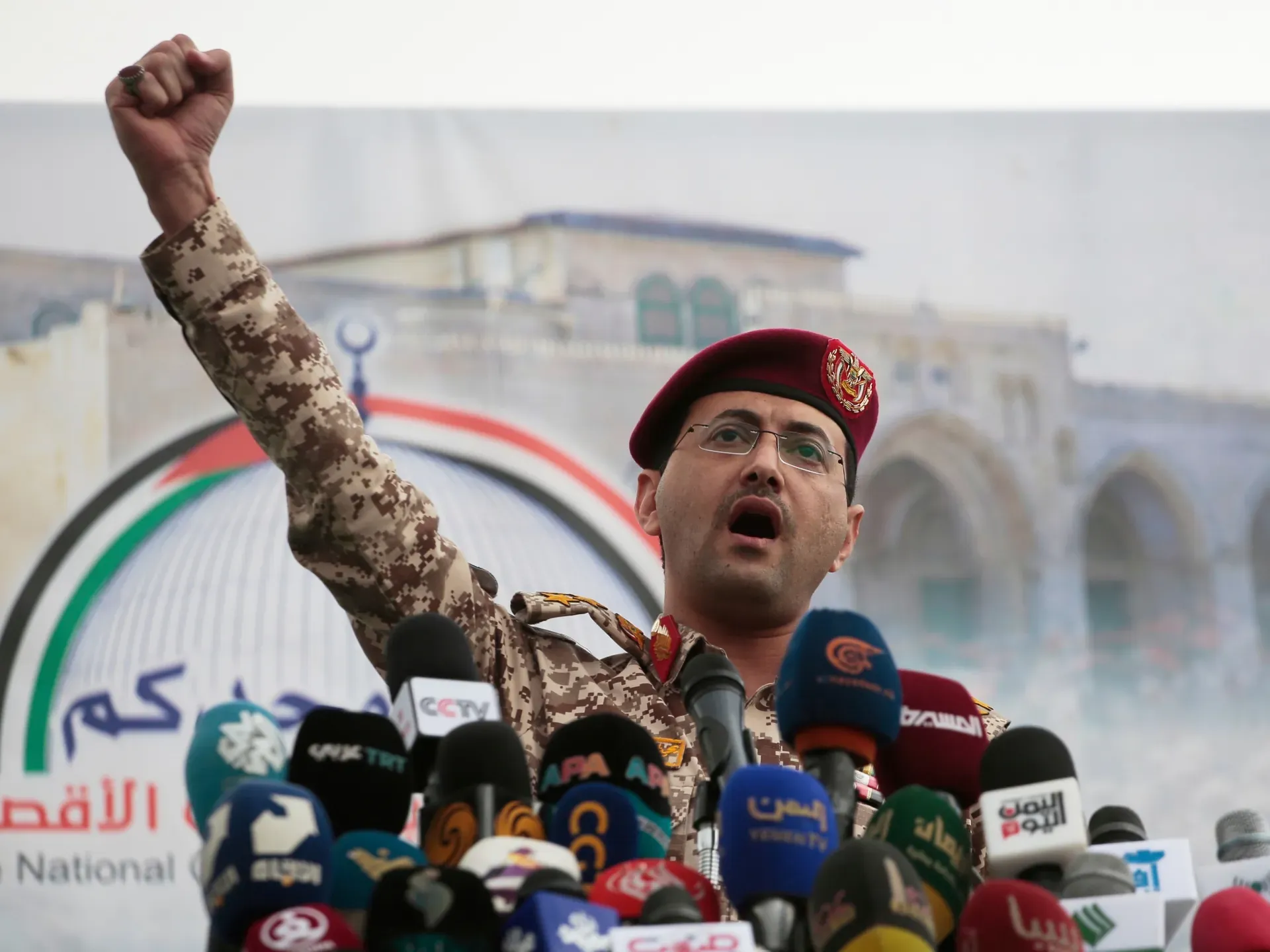
Houthi attacks on Saudi Arabia: Six facilities and airports targeted
Houthi attacks on Saudi Arabia have escalated with claims of six separate strikes against vital infrastructure, including oil refineries and international airports. The Houthi-led forces targeted sites ranging from Riyadh to the eastern and western coasts, according to spokesperson Yahya Saree. These strikes occurred despite recent high-level diplomatic meetings in Tehran involving Saudi Arabia, Iran, Turkiye, and Pakistan aimed at regional stability. The attacks include ballistic missile strikes on the Ras Tanura and Abqaiq facilities, as well as drone strikes on aviation hubs. This article examines the specific targets, the impact of the interceptions, and the context of the recent Tehran diplomatic efforts.
November 8, 2026
5 min read
Source: ASHENVOW
What specific targets did the Houthi forces claim to strike?
Houthi forces claim to have launched a coordinated series of strikes against both commercial and military infrastructure across the Saudi Arabian landscape. According to a statement released by Houthi military spokesman Yahya Saree on social media, the operations spanned multiple geographic regions, including the southern Najran province and the capital, Riyadh, as well as the kingdom's eastern and western coastlines.
The specific list of claimed targets includes several high-value energy and aviation assets. The Houthi movement asserted that they utilized ballistic missiles to strike the Ras Tanura oil refinery and an Aramco facility located in Abqaiq. In the aviation sector, the group claimed to have targeted King Khalid International Airport in Riyadh with multiple missiles, while King Fahd International Airport in Dammam was reportedly struck by a drone. Additionally, the Rabigh oil refinery was cited as a target of a ballistic missile, and a Saudi military headquarters in the Najran region was included in the list of hit locations.
Details of the claimed Houthi strikes
While the Houthi movement has provided a detailed breakdown of their intended targets, it is critical to note that there has been no independent corroboration of these specific claims at this time. The targets identified by Saree represent a significant cross-section of Saudi Arabia's economic and security architecture, ranging from critical energy export hubs to major transport nodes and military command centers.
How did Saudi Arabia respond to the incoming projectiles?
Saudi-led coalition forces reported successfully intercepting and destroying two ballistic missiles that were directed toward the capital city of Riyadh. According to coalition spokesman Turki al-Maliki, the air defense systems were able to neutralize these threats before they could reach their intended targets. This defensive action follows the issuance of emergency warning alerts in several governorates, including Riyadh, al-Kharj, and Najran city, to prepare the population for potential incoming threats.
The interception process, while successful in preventing a direct hit on major infrastructure, resulted in collateral damage and injuries. The Saudi Civil Defence reported that shrapnel from the intercepted missiles caused harm to civilians and property. Specifically, one Saudi citizen was wounded in Riyadh, and the agency noted that shrapnel also damaged at least one vehicle and a residential house. This highlights the ongoing risk to civilian populations living in proximity to the interception zones during active missile exchanges.
What is the diplomatic context regarding the Tehran meetings?
The escalation in combat occurs in direct contradiction to recent high-level diplomatic efforts intended to de-escalate regional tensions. Earlier this week, senior officials from Iran and the "Mecca pact" countries—specifically Saudi Arabia, Turkiye, and Pakistan—convened in Tehran to discuss peace and security. The meeting was hosted by Iran’s security chief Mohsen Rezaei and included high-ranking representatives such as Saudi Defence Minister Khalid bin Salman, Pakistan’s army chief Asim Munir, and Turkish intelligence chief Ibrahim Kalin.
Following the discussions, an official Iranian press release via the Fars news agency stated that participants had agreed to continue dialogue to strengthen cooperation between the four nations. The primary objective of the summit was to find pathways to resolve regional differences through diplomatic channels rather than military confrontation. The Saudi foreign ministry reinforced this sentiment, emphasizing the necessity of maintaining open negotiation channels to prevent a return to widespread military escalation in the region.
What are the reactions from the Yemeni government and the UN?
The internationally recognised Yemeni government has reacted to the continued Houthi aggression by calling for international intervention. In a formal statement, the Yemeni government urged the United Nations Security Council to implement "deterrent and punitive measures" against the Houthi forces. This request specifically follows reported attacks directed at Aden International Airport, which the government views as a critical escalation in the conflict.
The tension between the Houthi forces and the Yemeni government remains a central component of the broader regional instability. While the Tehran talks aimed to address the Saudi-Iranian dimension of the conflict, the internal Yemeni struggle continues to draw in international actors and threatens the stability of vital maritime and aviation corridors in the Middle East.
Frequently asked questions
Which Saudi oil facilities were reportedly targeted?
According to Houthi spokesman Yahya Saree, the Ras Tanura oil refinery and an Aramco facility in Abqaiq were targeted using ballistic missiles. Additionally, the Rabigh oil refinery was reportedly hit by a ballistic missile during the series of claimed attacks.
Were the Houthi missile attacks on Riyadh successful?
The Saudi-led coalition reported that its air defenses intercepted and destroyed two ballistic missiles aimed at Riyadh. While the interception prevented a direct hit, the resulting shrapnel wounded one Saudi citizen and damaged a house and a vehicle.
Who participated in the recent diplomatic talks in Tehran?
The meetings in Tehran included senior officials from Iran, Saudi Arabia, Turkiye, and Pakistan. Key attendees were Iran's security chief Mohsen Rezaei, Saudi Defence Minister Khalid bin Salman, Pakistan's army chief Asim Munir, and Turkish intelligence chief Ibrahim Kalin.
What is the Houthi position on these attacks?
Houthi spokesperson Yahya Saree stated that the attacks were directed at vital commercial and military infrastructure. The group claims to have targeted various locations across Saudi Arabia, including airports, oil refineries, and military headquarters, to demonstrate their reach.
What has the Yemeni government requested from the UN?
The internationally recognised Yemeni government has called on the UN Security Council to take punitive and deterrent measures. This request is a response to ongoing Houthi attacks, including those targeting Aden International Airport, which threaten regional security.
Key takeaways
- Houthi forces claimed six strikes on Saudi airports and oil facilities, including Ras Tanura and Abqaiq.
- Saudi air defenses intercepted two ballistic missiles aimed at Riyadh, causing minor civilian injuries and property damage.
- High-level talks in Tehran involving Iran, Saudi Arabia, Turkiye, and Pakistan aimed to increase regional cooperation.
- The Yemeni government has urged the UN Security Council to impose punitive measures against Houthi forces.
Conclusion
The recent claims of Houthi attacks on Saudi Arabian infrastructure represent a significant challenge to the diplomatic progress attempted during the Tehran summit. While high-level officials from Iran, Saudi Arabia, Pakistan, and Turkiye expressed a commitment to dialogue and regional security, the continued use of missiles and drones by Houthi forces suggests a persistent gap between diplomatic intent and battlefield reality. As the internationally recognised Yemeni government seeks UN intervention, the region remains caught between the hope of negotiated peace and the immediate threat of renewed military escalation.



