
Hebron military lockdown: Costs of the West Bank operation
The Hebron military lockdown, following an October 23, 2026, attack, has caused widespread disruption across the occupied West Bank. According to Hebron’s municipality, more than 3,100 Palestinians have been forcibly displaced by the Israeli military operation. Ordered by Prime Minister Benjamin Netanyahu, the lockdown targets the al-Jalada and Ein Deir Baha neighbourhoods. This measure has halted significant life events, such as weddings, and paralyzed local commerce by trapping essential documents and goods. This article examines the scale of displacement, personal stories, and the economic consequences of these ongoing military restrictions.
November 8, 2026
6 min read
Source: ASHENVOW
The current security situation in the West Bank has moved beyond immediate tactical engagements to create a profound humanitarian and economic crisis for the residents of Hebron. Following an incident at a checkpoint on October 23, where two Palestinian gunmen killed two Israeli soldiers before being killed themselves, the Israeli military implemented a strict lockdown of several key neighbourhoods.
How has the Hebron military lockdown impacted local residents?
The lockdown has resulted in the forced displacement of thousands of civilians from their homes in the al-Jalada and Ein Deir Baha areas. Residents report being ordered to vacate their properties in the middle of the night, often with nothing more than what they could carry by hand. The scale of this movement is significant; Hebron’s municipality reported that by Monday, over 3,100 Palestinians had been displaced due to the operation.
For many, the displacement is not merely a temporary inconvenience but a total disruption of life milestones. The military operation involves bulldozers destroying buildings near the site of the initial attack and house-to-house searches within the residential sectors. This has left families in a state of limbo, unsure of when they will be permitted to return to their properties or if their homes remain intact.
The human cost of sudden displacement
The suddenness of the military orders means that many families have been separated from their most vital possessions. Beyond furniture and clothing, the loss of access to homes means the loss of legal documents, sentimental items, and the stability required for daily functioning. The psychological impact of being forced from one's home under military command is a central feature of this ongoing crisis in the West Bank.
What are the personal consequences for individuals like Haidar Yahya Tamimi?
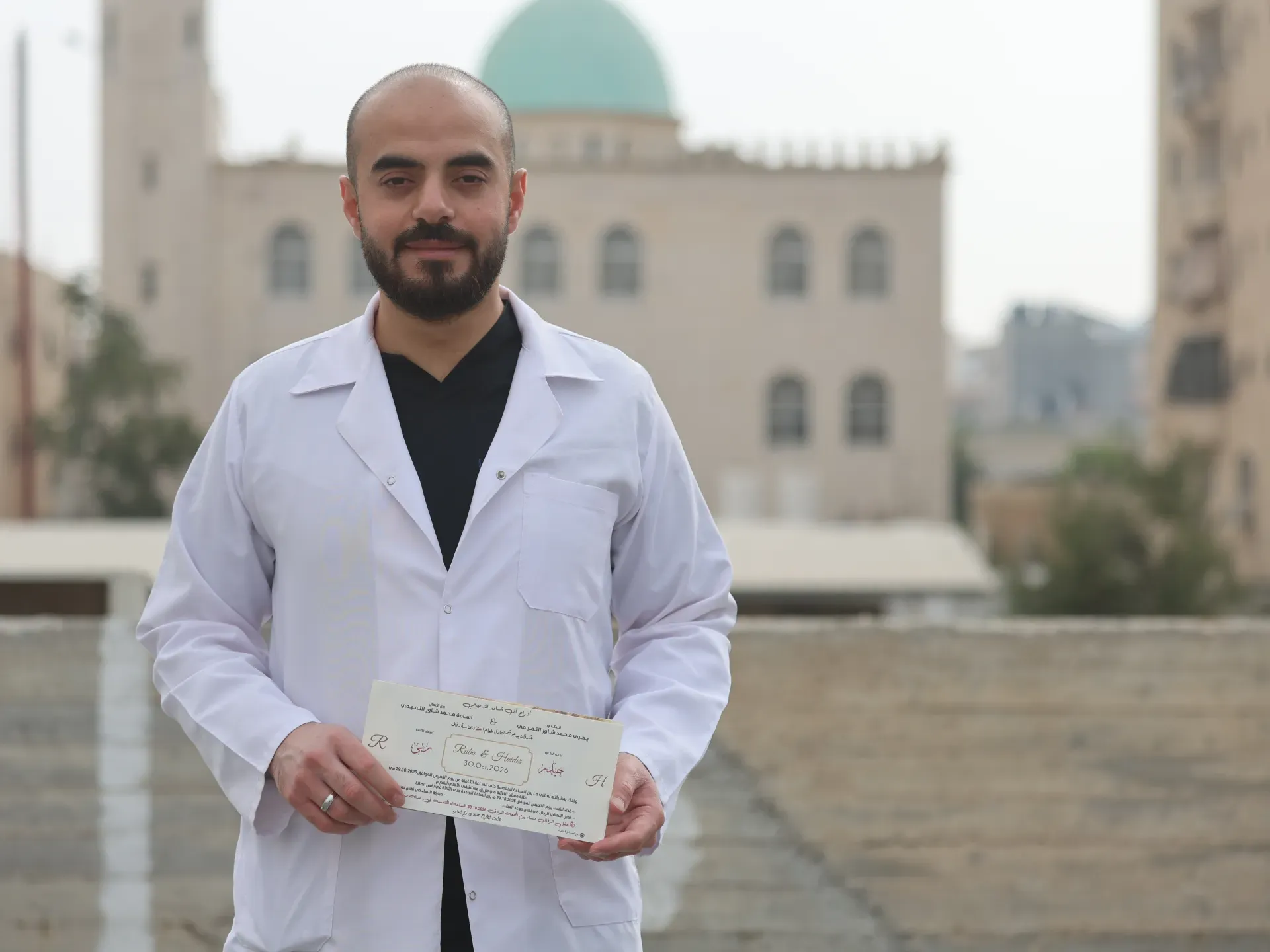
Individual lives have been halted mid-motion, exemplified by the case of Haidar Yahya Tamimi, a 27-year-old radiology resident at the Palestine Red Crescent Society Hospital. Tamimi had spent four months preparing for his wedding to his fiancée, Ruba, which was scheduled for Friday, October 30. The lockdown has rendered these preparations impossible, forcing an indefinite postponement of his marriage.
The disruption extends to the very physical symbols of his upcoming life change. Tamimi had already purchased furniture and a wedding suit, all of which remain trapped inside his home in the al-Jalada neighbourhood. Because the area is a closed military zone, he is unable to access his property. He has only been able to observe his home from a distance, watching as Israeli soldiers entered the premises, according to security camera footage viewed by his relatives.
"I looked at the house and saw that my dream was supposed to happen here, but it has been postponed indefinitely," Tamimi stated, highlighting the emotional toll of the lockdown. For Tamimi and Ruba, the priority is no longer the wedding feast or the celebration, but simply regaining access to their home and belongings.
How has the lockdown affected businesses and local commerce?
Local estimates suggest that more than 100 businesses in Hebron have been negatively impacted by the military restrictions. The lockdown does not just prevent people from moving; it prevents the movement of essential documentation and goods, effectively freezing the local economy in the affected zones. When businesses are trapped behind military lines, the consequences ripple through the community and into international trade.
The travel and pilgrimage sector has been particularly hard hit. For example, the Rukn al-Asala travel agency in al-Jalada has been unable to operate. The agency, which has been managed by the al-Sharif family for 16 years, was preparing to facilitate an Umrah pilgrimage to Saudi Arabia for 15 people. With the travelers' passports locked inside the office, the trip faces certain cancellation or indefinite delay.
The disruption of international trade and travel
The lockdown has also created a bottleneck for international commerce. In the same travel agency, seven passports arrived from the Chinese embassy on October 22, just one day before the lockdown began. These documents belong to local traders who were scheduled to travel to China on October 26 to source equipment for their family businesses. Despite having their visas, these traders are stuck without their physical passports.
One unnamed trader in his 30s reported that the inability to travel has led to the cancellation of both flight and hotel bookings. The inability to attend a planned exhibition in China means that the business cannot acquire the necessary products, creating a long-term economic setback that extends far beyond the duration of the military operation itself.
What triggered the military operation in Hebron?
The military response was a direct consequence of an attack at a checkpoint located at the western entrance of Hebron on October 23, 2026. During this incident, two Palestinian gunmen killed two Israeli soldiers. The gunmen were subsequently killed by Israeli security forces at the scene.
In response to the attack, Israeli Prime Minister Benjamin Netanyahu ordered an immediate lockdown of the city. The military's tactical approach included the use of bulldozers to destroy buildings in the vicinity of the attack site and intensive house-to-house operations in the neighbourhoods where the attackers were believed to have lived. This security-driven response has fundamentally altered the living conditions for thousands of non-combatants in the region.
FAQ: Hebron military lockdown
How many people have been displaced in Hebron?
According to Hebron’s municipality, more than 3,100 Palestinians have been forcibly displaced by the Israeli military operation. This displacement occurred as residents of the al-Jalada and Ein Deir Baha neighbourhoods were ordered to leave their homes following the declaration of the area as a closed military zone.
Why was the lockdown implemented in Hebron?
The lockdown was ordered by Prime Minister Benjamin Netanyahu following an attack on October 23, 2026. Two Palestinian gunmen killed two Israeli soldiers at a checkpoint at the western entrance of the city. The military operation aimed to secure the area and search the neighbourhoods where the attackers resided.
What is the impact on local businesses?
Local estimates indicate that over 100 businesses have been affected. The lockdown has prevented access to offices, trapping essential items like passports and business documents. This has led to the cancellation of religious pilgrimages and international trade trips, causing significant economic disruption to the Hebron community.
Can residents access their homes during the lockdown?
Currently, residents are unable to access their homes in the affected neighbourhoods. The area is designated as a closed military zone, and many families, such as the Tamimi family, have been unable to retrieve personal belongings, furniture, or legal documents that were inside their houses when the order was issued.
What happened to the attackers in the October 23 incident?
Both Palestinian gunmen involved in the attack at the western entrance of Hebron were killed by Israeli forces. The incident, which resulted in the deaths of two Israeli soldiers, served as the catalyst for the subsequent military lockdown and large-scale displacement in the city.
Key takeaways
- Over 3,100 Palestinians have been forcibly displaced by the military operation in Hebron.
- The lockdown targets the al-Jalada and Ein Deir Baha neighbourhoods in the West Bank.
- More than 100 local businesses have faced significant operational disruptions.
- Essential documents, including passports, remain trapped in inaccessible office buildings.
- The operation follows an October 23 attack that killed two Israeli soldiers.
The lasting implications of the Hebron security measures
The military operation in Hebron has demonstrated how quickly security measures can escalate into a broad humanitarian crisis. While the lockdown was initiated as a response to a specific violent event, the resulting displacement of thousands and the paralysis of local commerce create a legacy of instability. For individuals like Haidar Yahya Tamimi, the impact is measured in lost milestones; for the local economy, it is measured in cancelled trade and lost livelihoods. As the military presence continues, the path to normalcy for the residents of al-Jalada and Ein Deir Baha remains uncertain.



