
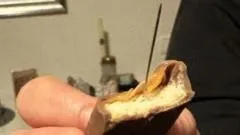
Halloween sweets safety: Sharp objects found in Europe
Halloween sweets safety has become a primary concern for parents across Europe following reports of dangerous contaminants in festive treats. Authorities in Germany, Austria, and Hungary have issued urgent warnings after children discovered needles, nails, and screws hidden inside candy. This article examines the specific incidents reported across these nations and the official responses from law enforcement and government leaders. Parents are being urged to inspect all treats thoroughly before allowing children to consume them to prevent potential injury or ingestion of these hazardous metal items.
November 8, 2026
3 min read
Source: ASHENVOW
Contamination incidents across Germany, Austria, and Hungary
Police across three European nations have issued widespread warnings to parents after sharp metal objects were discovered in sweets distributed during Halloween celebrations. The incidents have spanned multiple regions, prompting immediate law enforcement responses and criminal investigations to identify those responsible for tampering with the confectionery.
In Germany, reports have emerged from various states, stretching from Bavaria in the south-east to Lower Saxony in the north. One notable case occurred in Bremervörde, located west of Hamburg, where a nine-year-old girl sustained an injury to her tongue after biting into a chocolate bar that contained a 5cm-long pin. In Hungary, authorities near Gyömrő, east of Budapest, have launched a formal criminal investigation. This follows reports of nails, screws, and wire fragments being found in treats. Local officials noted that one child narrowly avoided swallowing a nail that had been hidden inside a chocolate wrapper within a toffee.
Austria has also seen a rise in reported cases, with investigations currently active in four different states. In the Amstetten area, east of Linz, a 10-year-old girl suffered minor oral injuries after biting into a small chocolate bar containing a sharp object.
Official responses and government condemnation
Government leaders and interior officials have reacted strongly to the discovery of these hazardous objects, characterizing the acts as deliberate attempts to cause harm. The presence of metal in children's food has prompted calls for strict legal consequences for any perpetrators identified during the ongoing investigations.
Austrian Interior Minister Gerhard Karner described the incidents as "cowardly, malicious and in some cases life-threatening." Supporting this sentiment, Lower Austria Governor Johanna Mikl-Leitner emphasized that children deserve a safe environment and stated that those responsible must face the full weight of the law. These high-level condemnations reflect the severity with which European authorities are treating these potential criminal acts of tampering.
Rising trends and potential copycat risks in Bavaria
Initial data from German law enforcement suggests that the frequency of these incidents may be increasing compared to previous years. While similar cases have been documented over the last 24 months, current trends indicate a significant spike in reported contamination.
According to German police in the south-eastern state of Bavaria, as many as 25 cases involving sweets containing needles, screws, or nails have been reported. This surge has led to heightened vigilance among local authorities. In the Middle Franconia region of western Bavaria, police have specifically warned the public about the risk of copycat actions. This warning follows a specific incident where a mother discovered a needle in her child's chocolate bar, only to later report that the child had admitted to inserting the needle themselves.
FAQ
What types of sharp objects were found in the sweets?
Authorities have identified several dangerous metal items hidden inside Halloween treats. These include needles, 5cm-long pins, nails, screws, and pieces of wire. These objects were discovered inside various types of confectionery, such as chocolate bars and toffees, during the Halloween period.
Which countries are most affected by these incidents?
The primary reports of contaminated Halloween sweets have emerged from Germany, Austria, and Hungary. In Germany, the incidents are widespread, affecting states from Bavaria to Lower Saxony. In Austria, investigations are currently being conducted across four separate states to address the safety concerns.
How should parents respond to these warnings?
Parents are urged to carefully inspect all sweets and treats received by their children during Halloween celebrations. Checking for unexpected hardness or metallic sounds in packaging can help prevent injuries. Authorities recommend immediate reporting of any suspicious objects found in candy to local law enforcement.



