
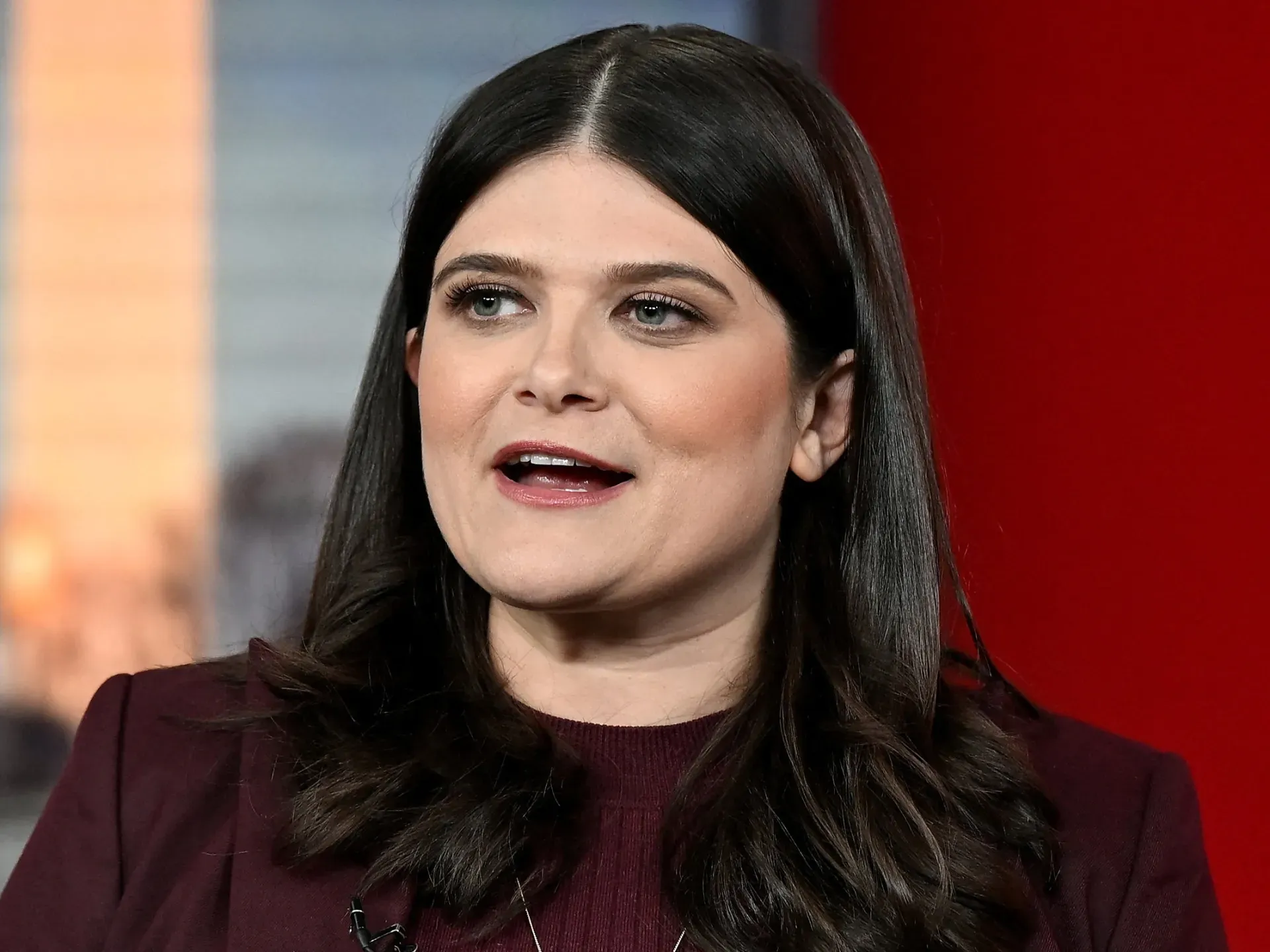
Haley Stevens endorsement: Impact on Michigan Senate race
The Haley Stevens endorsement of Republican Mike Rogers has sent shockwaves through the Democratic Party just two days before the 2026 US midterm elections. US Representative Haley Stevens, who lost the Democratic Senate primary to Abdul El-Sayed, officially threw her support behind the Republican candidate on November 1, 2026. This unexpected move follows intense internal friction regarding foreign policy and Gaza. While polling suggests El-Sayed holds a five to seven percentage point lead over Rogers, the endorsement complicates the Democratic effort to secure the Senate.
November 8, 2026
5 min read
Source: ASHENVOW
Why did Haley Stevens endorse Republican Mike Rogers?
US Representative Haley Stevens endorsed Republican Mike Rogers for the US Senate following a breakdown in relations with the Democratic nominee, Abdul El-Sayed. In a video posted to X on November 1, 2026, Stevens stated, “I am endorsing Mike Rogers for the US Senate. Today, I do not belong to Abdul’s campaign.” The announcement occurred after Stevens attended a church service in Detroit alongside Rogers.
The decision follows a period of significant tension between Stevens and El-Sayed. Although Stevens had initially planned to vote for El-Sayed, her stance shifted rapidly following a series of ideological clashes and personal friction. Stevens described the decision to support the Republican candidate as being “a weight off [her] shoulders,” though she declined to confirm if being uninvited from a joint event with El-Sayed was the direct catalyst for her change of heart.
The breakdown of Democratic unity
The rift became public knowledge after Stevens was uninvited from a scheduled joint event with El-Sayed. This event was intended to demonstrate Democratic unity in Michigan, a critical battleground state. The sudden exclusion of a sitting congresswoman from a party unity moment served as a precursor to her formal endorsement of the Republican opponent.
How has the conflict over Israel influenced the Michigan race?
Deep divisions within the Democratic Party regarding Israel and the conflict in Gaza have been the primary driver of the friction between Stevens and El-Sayed. Stevens, who has received substantial financial support from the American Israel Public Affairs Committee (AIPAC), has frequently clashed with El-Sayed over his stance on US military aid and the war in Gaza.
El-Sayed has maintained an outspoken critical position regarding Israel's military operations. This ideological gap widened recently when Stevens condemned an advertisement produced by an independent group supporting El-Sayed. The advertisement depicted a couple reducing grocery purchases to save money for "killing Palestinians." While El-Sayed clarified that his campaign did not produce the ad and expressed disagreement with its message, Stevens labeled the content anti-Semitic.
What is the impact of this endorsement on the 2026 midterms?
The endorsement of Mike Rogers by a prominent Democrat arrives at a high-stakes moment for the US midterm elections, which will determine control of Congress. While Republicans currently hold a 53-47 majority in the Senate, the upcoming election is viewed as a toss-up. Michigan is one of several highly competitive states that could decide the balance of power.
Democratic leaders have positioned themselves as a necessary check on President Donald Trump, aiming to block specific policies such as tariffs and certain funding related to the US-Israel war. The Michigan Senate race is central to this broader national strategy. However, the internal instability caused by the Stevens endorsement may undermine the party's ability to present a cohesive front to voters.
Potential political backlash
Not all Democrats believe the endorsement will benefit the Republican cause. Michigan State Senator Mallory McMorrow, a former Senate candidate, suggested that the move might actually backfire. According to McMorrow, the endorsement could anger Michigan voters rather than swaying them toward the Republican candidate, potentially creating a sense of instability within the Democratic ranks.
What do the latest polls show for the Michigan Senate race?
Despite the late-stage endorsement of Rogers, recent polling data suggests that Abdul El-Sayed maintains a lead in the race. According to recent polls, El-Sayed is ahead of Mike Rogers by approximately five to seven percentage points. This lead comes despite Rogers having the explicit support of Donald Trump and his own history of denying his 2020 election loss.
The race remains highly volatile due to the following factors:
- The Trump Factor: Rogers is heavily backed by Donald Trump, which mobilizes the Republican base but remains a polarizing element in a swing state.
- Voter Sentiment: The tension surrounding the Gaza conflict and the perceived anti-Semitism in campaign messaging may influence undecided voters.
- Party Discipline: The ability of the Democratic Party to consolidate support around El-Sayed after the Stevens defection is currently under scrutiny.
Frequently asked questions
Who is Mike Rogers?
Mike Rogers is the Republican candidate for the US Senate in Michigan during the 2026 midterm elections. He is endorsed by Donald Trump and is running in a highly contested race against the Democratic nominee, Abdul El-Sayed, in a state that serves as a key battleground.
Why did Haley Stevens change her support?
Haley Stevens changed her support due to intense ideological rifts with Abdul El-Sayed, particularly concerning Israel and the war in Gaza. Additionally, tensions escalated after Stevens was uninvited from a joint Democratic event, leading her to endorse the Republican candidate, Mike Rogers.
Is Abdul El-Sayed leading in the polls?
Yes, recent polling indicates that Abdul El-Sayed is leading Mike Rogers by a margin of five to seven percentage points. This lead exists despite the unexpected endorsement of Rogers by US Representative Haley Stevens just days before the election.
What role does AIPAC play in this race?
AIPAC (American Israel Public Affairs Committee) has been a factor in the race, as Haley Stevens has received tens of millions of dollars from the organization. This connection highlights the internal Democratic struggle between pro-Israel establishment figures and candidates like El-Sayed who are critical of Israeli military actions.
What is at stake in the 2026 US midterms?
The 2026 midterms will decide which party controls the US Congress. While Democrats are projected to win the House, the Senate is a toss-up. Control of the Senate is vital for determining the ability to block presidential policies, including tariffs and specific military funding.
Key takeaways
- Haley Stevens endorsed Republican Mike Rogers for the Michigan Senate seat on November 1, 2026.
- The endorsement follows deep Democratic rifts over Israel and the conflict in Gaza.
- Polling shows Abdul El-Sayed leading Mike Rogers by five to seven percentage points.
- The Michigan race is a critical battleground for control of the US Senate.
The shifting landscape of Michigan politics
The endorsement by Haley Stevens represents more than just a local political shift; it is a symptom of the broader ideological fragmentation within the Democratic Party. As the 2026 midterms approach, the tension between establishment supporters of Israel and more progressive, critical voices creates a volatile environment. While El-Sayed holds a polling advantage, the disruption of party unity in a key swing state like Michigan introduces significant uncertainty into the race for Senate control. The outcome will likely reflect whether voters prioritize party cohesion or the specific ideological divides currently tearing the Democratic coalition apart.



