
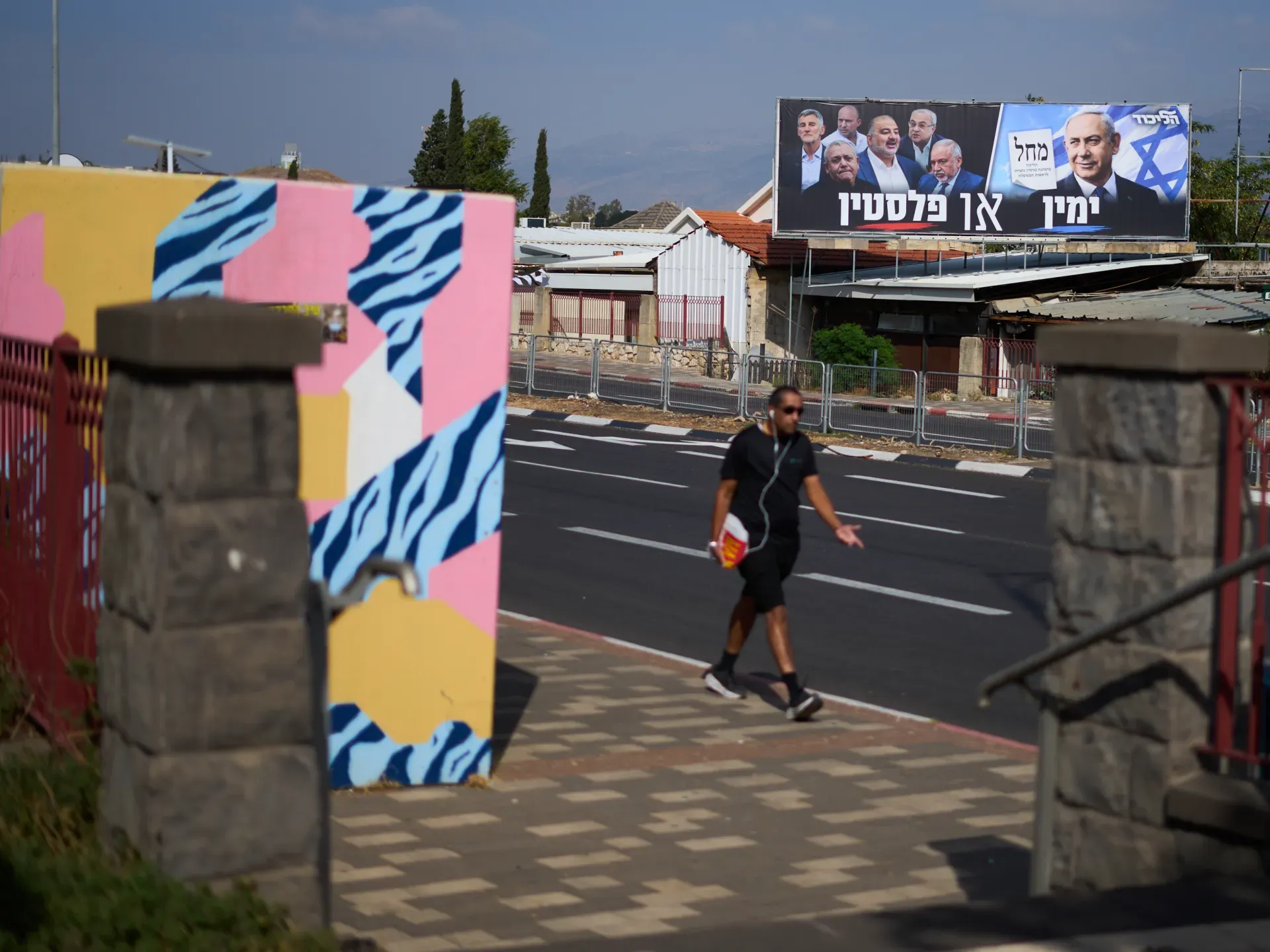
Generation Right: How Israeli youth shift the landscape
Generation Right Israeli youth refers to the emerging trend where young Jewish voters are gravitating toward right-wing and centre-right ideologies. According to a recent Channel 12 poll, approximately 75% of Jewish first-time voters identify with the right or centre-right, a figure significantly higher than the general population. This shift occurs as more than 500,000 new voters have been added to the rolls since 2022. This article examines the drivers of this ideological shift, the influence of social media, and the impact of key political figures.
October 27, 2026
5 min read
Source: ASHENVOW
Why are Israeli first-time voters trending toward the right?
The political orientation of Israel's youngest voters is diverging sharply from global youth trends, which often lean toward left-wing or progressive ideologies. In Israel, the upcoming 2026 elections are seeing a massive influx of new participants, with the Israeli Central Elections Committee reporting that over half a million voters have been added to the electoral rolls since the 2022 cycle.
Data from the Israel Democracy Institute (IDI) suggests that despite limited direct political activism, a majority of young Jewish Israelis believe the ballot box remains a potent tool for shaping the nation's future. However, the vision they hold for that future is increasingly conservative. The Channel 12 poll highlights that the 'Generation Right' phenomenon is not merely a statistical outlier but a significant demographic movement that could dictate the outcome of the October 27 legislative vote.
The impact of October 7 on youth perspectives
The trauma of the October 7, 2023, attacks appears to have acted as a catalyst for this rightward shift. While some young activists, such as those from the left-leaning Democrats party, argue that the scars of the attack have destroyed any remaining hope for peace, others have responded by embracing more hawkish stances. This tension is central to the current election, as the country grapples with security fears and the long-term implications of the conflict on national identity.
How are political leaders mainstreaming far-right views?
Prime Minister Benjamin Netanyahu faces intense criticism for his role in empowering far-right elements to maintain his political standing. Critics argue that by granting key government portfolios to figures like National Security Minister Itamar Ben-Gvir and Finance Minister Bezalel Smotrich, the administration has effectively moved extremist positions into the mainstream of Israeli politics.
Bezalel Smotrich’s influence is particularly noted in his approach to the West Bank. Since securing a position within the defense ministry in 2022, he has been a prominent advocate for the illegal settlement enterprise. His long-held position—articulated as far back as 2017—suggests a future where Palestinians are either forced to emigrate, live without political representation, or face treatment as terrorists. This ideology is increasingly reflected in the policy directions of the current government, particularly regarding land management and settlement expansion.
What role does social media play in shaping young voters?
Social media and instant messaging platforms have become the primary conduits for political socialization among Israel's youth. According to the Israel Democracy Institute (IDI) survey, platforms such as WhatsApp and Telegram are essential sources of information for this demographic. Rather than actively searching for political news, many young people are exposed to highly charged content through their algorithmic feeds.
This environment provides a fertile ground for leaders like Itamar Ben-Gvir to build a direct connection with younger voters. Ben-Gvir utilizes his platform to broadcast a 'no-nonsense' style, often filming himself in jails or detention centers to challenge Palestinian prisoners and international activists. These videos frequently go viral, bypassing traditional media gatekeepers and reaching a massive audience of young supporters. This digital strategy has helped him secure a significant base of first-time voters, moving beyond his traditional support among the 'Hilltop Youth' settlers.
The viral nature of political incitement
The digital landscape also allows for the rapid spread of more extreme rhetoric. Satirist Lior Schleien has documented instances of intense radicalization among students, including videos where young men express explicit racist views or violent intentions toward Arab citizens. While some of these videos have faced backlash and removal, they underscore a growing polarization that is being amplified by the very tools the youth use to communicate.
How do different demographics view the future of the conflict?
The ideological divide is not uniform across all segments of the youth population, particularly when comparing Jewish and Palestinian citizens of Israel. While the term 'Generation Right' is being applied to the Jewish youth movement, the political aspirations and fears of Palestinian citizens remain a distinct and often marginalized part of the electoral conversation.
For many Jewish young voters, the choice is framed as a binary between security and existential threat. A survey by the newspaper Yedioth Ahronoth indicates that more than 16% of new voters intend to support far-right parties. This is exemplified by young activists who actively participate in movements calling for increased settlement activity in the occupied territories. Conversely, a segment of the youth remains deeply disillusioned, viewing the current political trajectory as an abandonment of the possibility of regional peace.
| Demographic Group | Primary Political Trend | Key Drivers |
|---|---|---|
| Jewish First-Time Voters | Right / Centre-Right | Security concerns, social media, Netanyahu's leadership |
| Left-leaning Youth | Disillusionment / Peace-seeking | Scars of October 7, fear of perpetual conflict |
| Far-Right Youth | Hardline / Settlement-focused | Ben-Gvir's rhetoric, religious-nationalist ideology |
Frequently asked questions
Who is considered part of 'Generation Right' in Israel?
The term refers to the growing segment of young Jewish Israelis, specifically first-time voters, who identify with right-wing or centre-right political ideologies. Recent polling suggests this group is larger and more ideologically cohesive than the broader Israeli population.
How many new voters are participating in the 2026 election?
The Israeli Central Elections Committee reports that over 500,000 new voters have been added to the electoral rolls since the 2022 elections. A significant portion of these are aged between 18 and 22.
What impact did the October 7 attacks have on youth politics?
The October 7 attacks have accelerated the shift toward the right for many. While some youth feel the attacks have made peace impossible, others have adopted more hawkish and nationalist stances in response to the security crisis.
How does Itamar Ben-Gvir reach young voters?
Ben-Gvir uses social media and viral video content to communicate his policies directly to the youth. By filming himself in high-tension environments, he creates content that resonates with his base and bypasses traditional media outlets.
What are the main information sources for young Israelis?
According to the Israel Democracy Institute, young Israelis rely heavily on social media and messaging apps like WhatsApp and Telegram. Political content often reaches them through their feeds rather than through intentional news consumption.
Key takeaways
- Approximately 75% of Jewish first-time voters in Israel identify as right or centre-right.
- Over 500,000 new voters have been added to the rolls since the 2022 elections.
- Social media platforms like WhatsApp and Telegram are primary political information sources for youth.
- The October 7 attacks have significantly influenced the ideological direction of the younger generation.
The shifting landscape of Israeli democracy
The emergence of 'Generation Right' signals a profound transformation in the Israeli electorate. As the 2026 elections approach, the influence of a young, ideologically rightward-leaning demographic cannot be overstated. This shift is driven by a combination of security anxieties, the polarizing effects of social media, and the strategic political maneuvering of leaders like Benjamin Netanyahu and Itamar Ben-Gvir. Whether this movement represents a temporary reaction to recent conflict or a permanent realignment of Israeli society remains a central question for the nation's democratic future.



