
Gambia reparations for Yahya Jammeh victims: US mansion funds
Gambia reparations for Yahya Jammeh victims will be financed through the sale of a luxury property in the United States. The Gambia Reparations Commission confirmed on October 20, 2026, that it received over $2.5 million from the sale of a mansion in Potomac, Maryland, formerly owned by the exiled leader. These funds, seized by US authorities, are earmarked for survivors of abuses committed during Jammeh's 22-year presidency. This article examines the legal process of asset forfeiture, the scale of the human rights violations involved, and the management of the Reparations Fund.
October 27, 2026
5 min read
Source: ASHENVOW
How will the $2.5 million in US funds be distributed to victims?
The funds acquired from the sale of the Potomac, Maryland property are being directed specifically to the Reparations Fund account held at the Central Bank of The Gambia. According to a statement from the Gambia Reparations Commission on October 20, 2026, these assets are strictly reserved for the payment of reparations to those affected by the former administration's actions.
The Commission has emphasized its commitment to managing these resources with a focus on transparency and accountability. The stated goal is to ensure that the distribution process respects the specific rights and needs of the victims and survivors. President Adama Barrow has also indicated that the government intends to follow the guidance of official auditors regarding the precise allocation of these funds to ensure fairness and legal compliance.
The role of official auditors in fund allocation
To prevent mismanagement and ensure that the money reaches the intended recipients, the Gambian government has signaled a reliance on independent oversight. By heeding the recommendations of official auditors, the Barrow administration aims to build public trust and provide a clear, documented pathway from the Central Bank to the individual victims. This audit-led approach is intended to mitigate risks of corruption within the reparation process itself.
What is the legal origin of the Maryland mansion funds?
The $2.5 million stems from a civil forfeiture process initiated by the United States Department of Justice. In 2020, the US Justice Department filed a complaint alleging that the residence in the wealthy Washington, D.C. suburb of Potomac was purchased using the proceeds of corruption. This legal action targeted assets believed to have been acquired through the illicit enrichment of Yahya Jammeh during his time in power.
Following the legal proceedings, a court ordered the forfeiture of the property in 2022. The repatriation of these assets reached a milestone in September 2026, when the US Justice Department announced its intention to return the proceeds from the mansion's sale to the Gambian state. This transfer represents a significant victory in the international effort to recover stolen assets from former political leaders.
Why was Yahya Jammeh's regime subject to such investigations?
Yahya Jammeh's 22-year rule, which ended in 2017, was characterized by widespread human rights violations and systemic corruption. The former president is accused of presiding over a regime that utilized state apparatuses to commit grave abuses against the population of the two-million-person nation. These accusations include the murder of political opponents, forced disappearances, torture, and rape.
The scale of the violence was documented by a commission of inquiry, which provided harrowing estimates of the human cost of his administration. The commission estimated that between 240 and 250 victims were killed by forces acting under Jammeh's authority. These findings have formed the moral and legal basis for the current reparations efforts and the ongoing pursuit of justice for the survivors.
How did Yahya Jammeh exit power and where is he now?
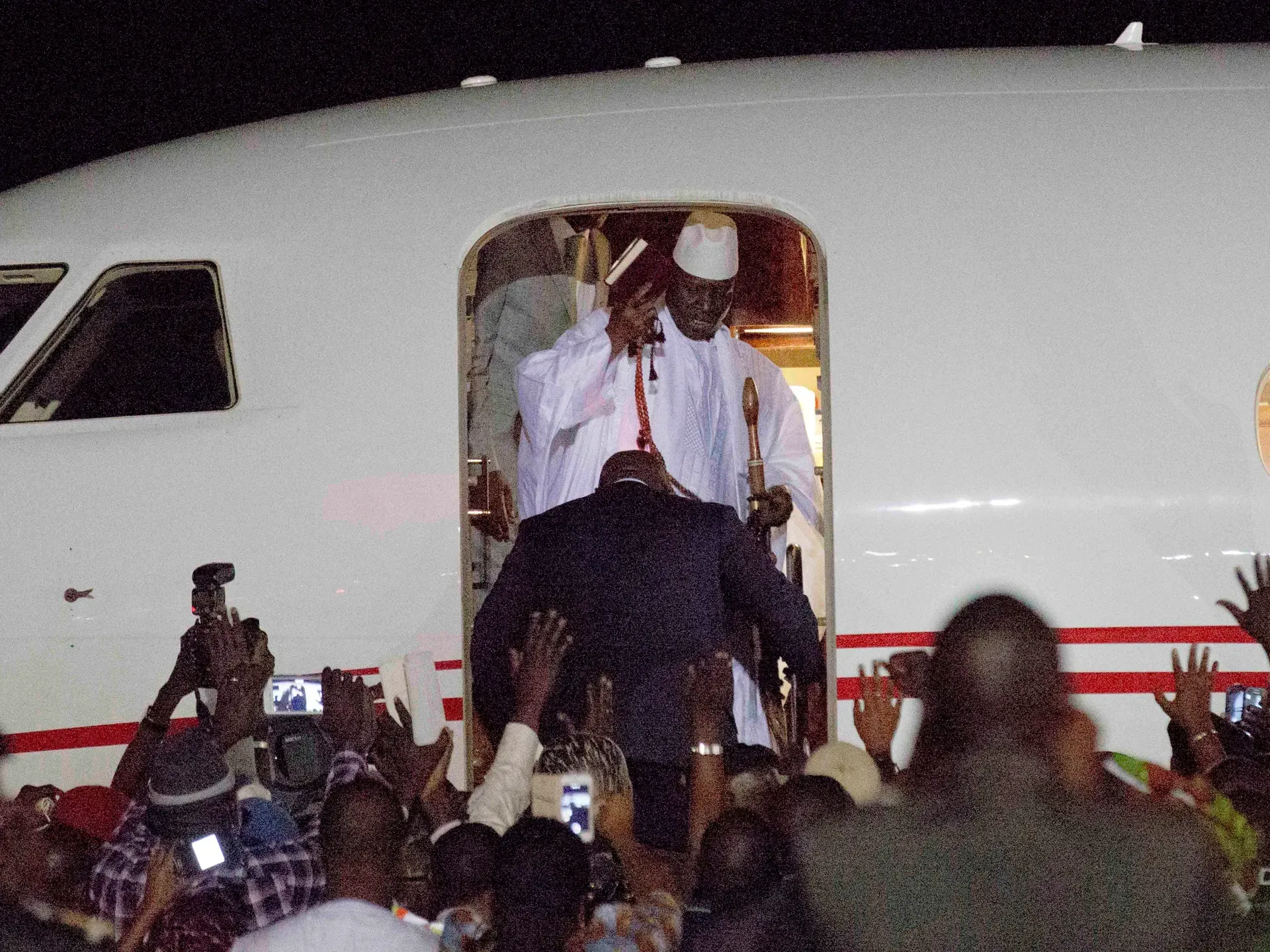
Yahya Jammeh was forced into exile following the 2016 election, which saw him lose to the current President, Adama Barrow. His departure was not a voluntary retirement but the result of intense diplomatic and regional pressure. West African neighbors played a decisive role in ensuring the transition of power, effectively forcing Jammeh out of the country to prevent further instability.
Since his exit from The Gambia, Jammeh has resided in Equatorial Guinea. While he remains in exile, the legal and financial repercussions of his presidency continue to unfold in international courts and through the recovery of his overseas assets. The seizure of his US property serves as a tangible consequence of the corruption that defined his era of governance.
What is the role of the Gambia Reparations Commission?
The Gambia Reparations Commission is the primary body tasked with identifying and compensating victims of the abuses committed during the Jammeh era. Established to address the legacy of the 22-year dictatorship, the commission manages the Reparations Fund and oversees the complex process of verifying claims and distributing payments. Its work is central to the transitional justice process in The Gambia.
The commission's mandate involves not just the financial aspect of reparations, but also the responsibility of ensuring that the process is conducted with dignity for the survivors. By managing the funds deposited at the Central Bank, the commission acts as the intermediary between recovered international assets and the local victims seeking redress for the violence and corruption they endured.
Key takeaways
- The Gambia received over $2.5 million from the sale of Yahya Jammeh's US mansion.
- Funds are deposited in the Reparations Fund at the Central Bank of The Gambia.
- The US Justice Department seized the Maryland property due to corruption allegations.
- A commission of inquiry estimated between 240 and 250 deaths occurred under Jammeh.
- President Barrow pledged to follow official audit recommendations for fund allocation.
Frequently asked questions
Who is receiving the money from the mansion sale?
The money is intended for the victims and survivors of the human rights abuses committed during Yahya Jammeh's 22-year rule. The Gambia Reparations Commission is responsible for ensuring the funds are used specifically for these reparations and to meet the needs of those affected.
Where was the confiscated property located?
The property was a mansion located in Potomac, Maryland, which is a wealthy suburb of Washington, D.C. The US Justice Department identified this property as being purchased with proceeds derived from corruption during Jammeh's presidency.
How much money was recovered from the sale?
The Gambia Reparations Commission confirmed that it received just more than $2.5 million from the sale of the US property. These funds have been moved directly into the official Reparations Fund account at the Central Bank of The Gambia.
What crimes is Yahya Jammeh accused of?
Yahya Jammeh is accused of overseeing a regime responsible for the murder of political rivals, torture, rape, and the disappearance of individuals. A commission of inquiry estimated that his forces were responsible for the deaths of 240 to 250 people.
What happened to Jammeh after he lost the 2016 election?
After losing the 2016 election to Adama Barrow, Jammeh was forced into exile following pressure from neighboring West African nations. He currently lives in Equatorial Guinea, having been pushed out of power to facilitate a peaceful transition in The Gambia.
Conclusion
The recovery of $2.5 million from Yahya Jammeh's US estate marks a significant step in The Gambia's pursuit of transitional justice. By converting seized corrupt assets into reparations, the state is attempting to provide tangible redress for the hundreds of lives lost and the many others subjected to torture and violence. While the legal process of asset forfeiture has been successful, the ultimate impact will depend on the transparency and efficiency of the Reparations Commission. As the government moves toward fund distribution, the focus remains on ensuring that these resources serve the survivors and contribute to the long-term healing of the nation.



