
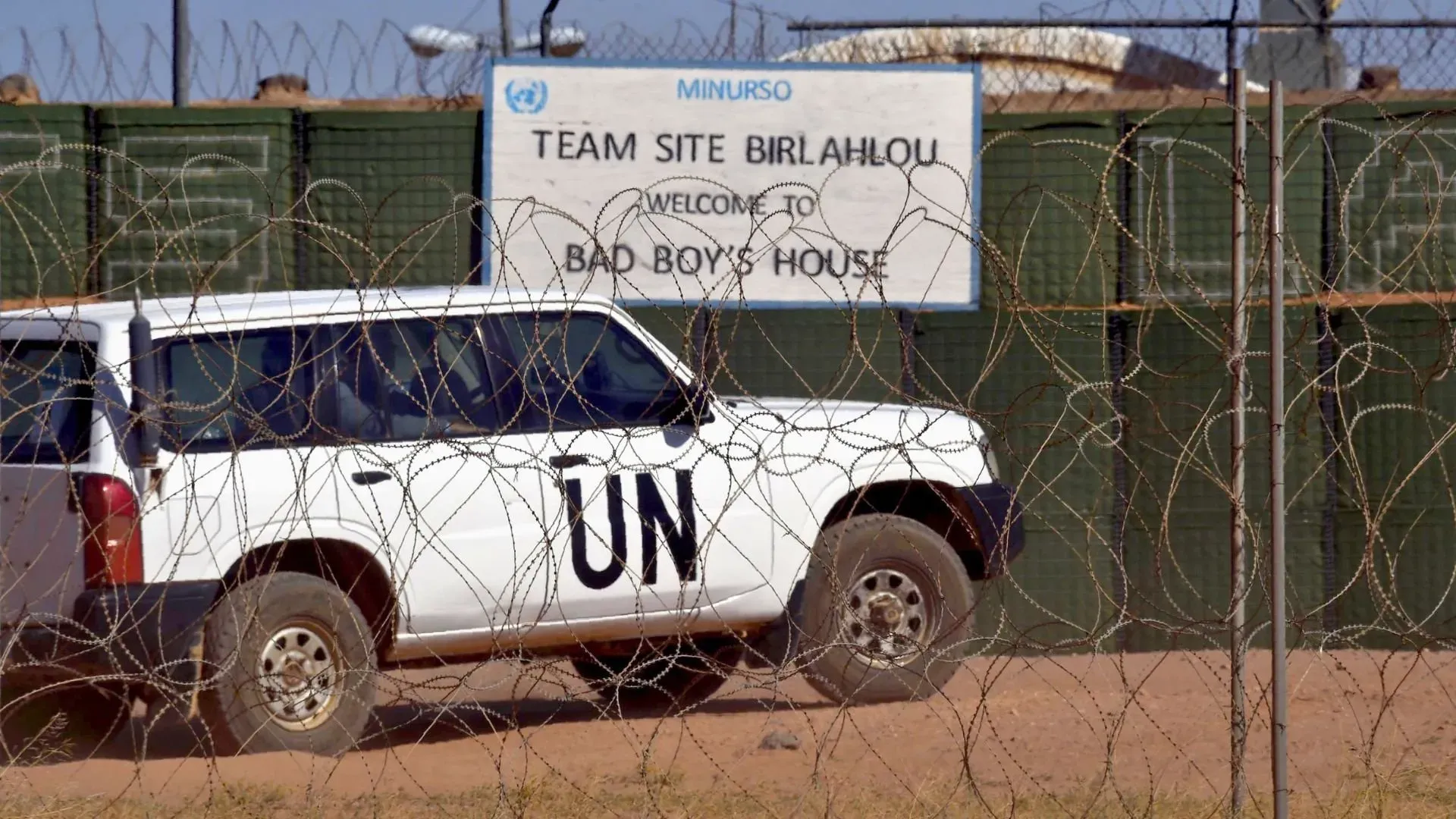
The Western Sahara conflict and the UN mission end
The Western Sahara conflict enters a period of profound uncertainty following the conclusion of the United Nations peacekeeping mission in the disputed territory. After decades of attempting to mediate between Morocco and the Polisario Front, the international community's ability to maintain stability has been severely tested. This development follows recent diplomatic deadlocks at the UN. This analysis examines the historical roots of the dispute and the geopolitical shifts causing the current crisis, highlighting how the lack of a consensus-driven mandate threatens long-term regional peace.
November 8, 2026
3 min read
Source: ASHENVOW
Historical roots of the Western Sahara dispute
The Western Sahara conflict remains one of the longest-running territorial disputes on the African continent, spanning more than five decades. The origins of the tension can be traced back to the era of decolonization, specifically following the conclusion of Spanish colonial rule in the region. Since that departure, the territory has been the subject of intense competing claims.
Two primary entities have maintained opposing stances for decades: the Kingdom of Morocco and the Polisario Front. While Morocco asserts sovereignty over the region, the Polisario Front seeks self-determination for the Sahrawi people. This fundamental disagreement has prevented a lasting political settlement and has shaped the regional security architecture for half a century.
The collapse of UN peacekeeping efforts
The United Nations recently saw its long-standing peacekeeping efforts in the region come to an abrupt halt. Throughout the 1990s, the UN had actively worked toward a diplomatic settlement, which included the deployment of a peacekeeping mission designed to monitor the situation and facilitate negotiations.
However, this era of international mediation faced a critical setback last week. According to Al Jazeera, the United States and Russia blocked proposals intended to extend the mandate of the peacekeeping mission. This failure to reach a consensus among the permanent members of the UN Security Council has effectively ended the current peacekeeping framework, leaving a vacuum in the oversight of the disputed territory.
Geopolitical deadlock and the risk of renewed fighting
The inability of global powers to agree on a mandate for the UN mission has raised urgent questions regarding the potential for renewed armed conflict. The recent diplomatic impasse at the United Nations reflects broader geopolitical tensions that extend beyond the borders of Western Sahara.
The failure of rival resolutions by the US and Russia highlights a growing fragmentation in international diplomacy. As the peacekeeping presence diminishes, analysts are closely watching whether the absence of a UN buffer will embolden the claimants to pursue their objectives through military means. The current situation suggests that without a new diplomatic framework, the risk of an escalation in hostilities between Moroccan forces and the Polisario Front remains a significant concern for regional stability.
Frequently Asked Questions
Why did the UN peacekeeping mission end?
The mission ended because the United Nations was unable to extend its mandate. This occurred after both the United States and Russia blocked proposals that would have allowed the peacekeeping operation to continue in the Western Sahara territory, leading to a diplomatic stalemate in the Security Council.
How long has the Western Sahara conflict lasted?
The conflict has persisted for more than 50 years. It originated from the geopolitical shifts that occurred when Spanish colonial rule ended in the region, leading to the long-standing territorial dispute between Morocco and the Polisario Front that continues to this day.
Who are the main parties involved in the dispute?
The two primary parties involved are Morocco and the Polisario Front. Morocco claims sovereignty over the Western Sahara territory, while the Polisario Front represents the movement seeking self-determination for the Sahrawi people, creating a fundamental disagreement that has lasted for decades.



