
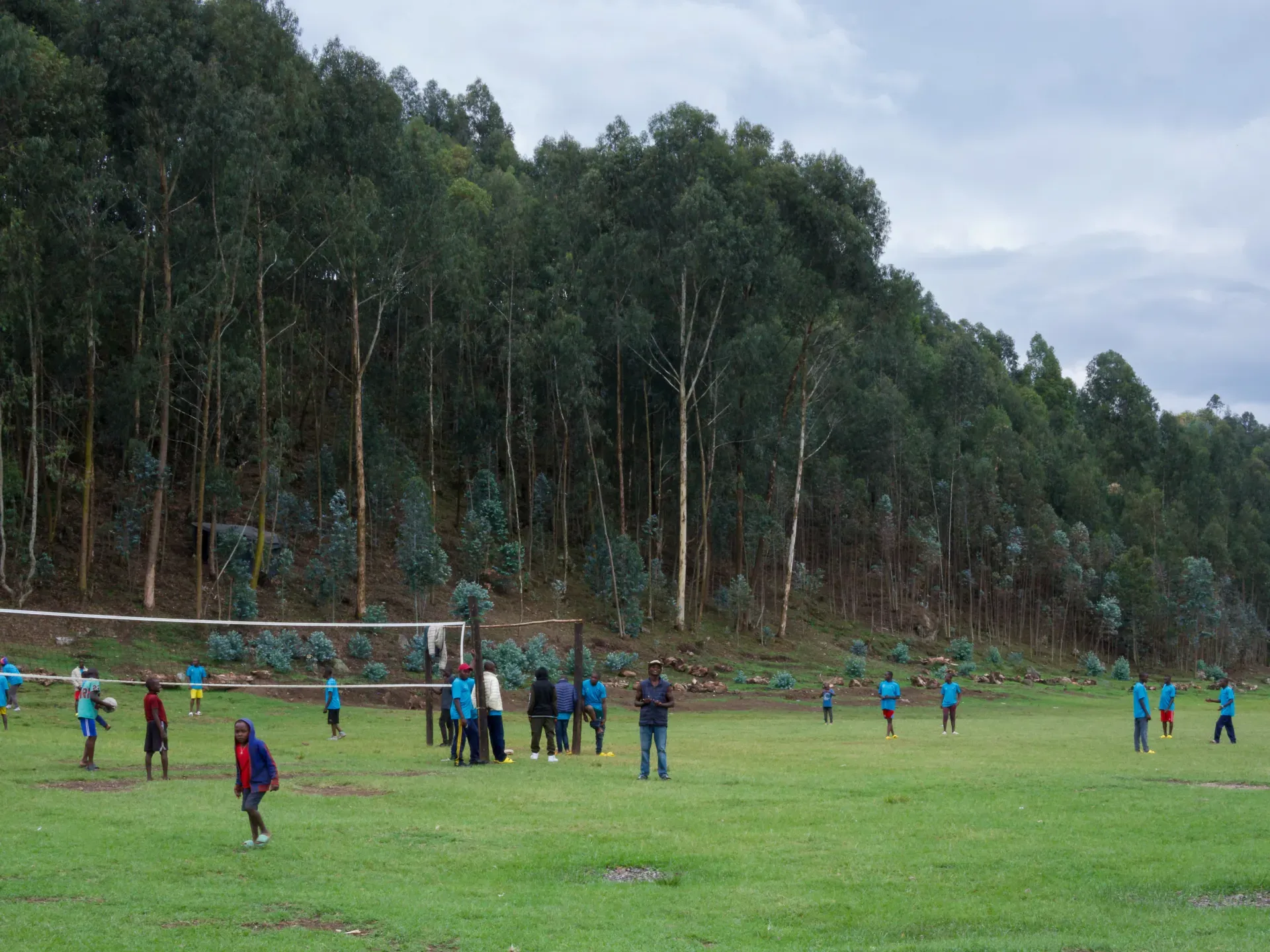
Why former FDLR fighters are returning to Rwanda in 2026
Former FDLR fighters are returning to Rwanda to undergo rehabilitation at the Mutobo Demobilisation and Reintegration Centre. This movement follows years of disillusionment and a desire to rejoin civilian life after decades spent in the Democratic Republic of the Congo (DRC). According to the Rwanda Demobilisation and Reintegration Commission, the Mutobo centre, established in 2001, provides medical care, psychosocial support, and civic education to those exiting armed groups. This article examines the motivations behind these returns, the rehabilitation processes at Mutobo, and the challenges of reintegrating into Rwandan society.
October 21, 2026
6 min read
Source: ASHENVOW
What motivates former FDLR fighters to return to Rwanda?
Disillusionment with armed group ideology and a desire for stability are the primary drivers for former FDLR fighters choosing to return to Rwanda. Many returnees report that the promises made by the Democratic Forces for the Liberation of Rwanda (FDLR) did not align with the reality of life in the forest. For some, the decision was spurred by seeing the prosperity of family members remaining in Rwanda compared to their own struggles in the DRC.
Individual motivations vary significantly among the returnees, ranging from personal safety concerns to a fundamental shift in political convictions. For example, Jean Claude Hategekimana, who joined the group in 2018, described his return as a realization that the FDLR had misled its members regarding the dangers of returning home. He had previously been taught that returning to Rwanda would result in certain death, a fear that made his return feel like a "suicide mission."
Diverse psychological and social drivers
The psychological shift required to leave an armed group is profound. Some high-ranking officials, such as Major-General Anastase Munyaneza, noted that maintaining contact with family in Rwanda allowed them to witness the successful lives of their relatives, which contrasted sharply with their military existence. Similarly, Lieutenant-Colonel Idrissa Bizimana, formerly responsible for propaganda, stated that his decision followed a change in his personal convictions after receiving verified information about the current state of Rwanda.
Internal group dynamics also play a role. For some, the fear of being targeted by their own commanders—often due to accusations of being informants—becomes a catalyst for flight. Colonel Augustin Nshimiyimana reported that after being accused of collaborating with Rwanda, he felt his life was in immediate danger within the group. This internal instability often pushes fighters to seek the protection and structure offered by the Rwandan government's reintegration programs.
How does the Mutobo Demobilisation and Reintegration Centre operate?
The Mutobo Demobilisation and Reintegration Centre, located in Musanze in Rwanda’s Northern Province, serves as the primary hub for the rehabilitation of former combatants. Established in 2001, the facility is designed to transition individuals from military life back into civilian society through a structured multi-month program. The center focuses on addressing the physical, mental, and social needs of those who have spent extended periods in armed groups.
The rehabilitation process is comprehensive, covering several key pillars of reintegration:
Medical and Psychosocial Support: Addressing physical injuries and the mental trauma associated with prolonged conflict and forest living.
Civic Education: Providing essential knowledge about Rwandan society, laws, and the rights and responsibilities of citizenship.
Educational Programs: Offering formal schooling and vocational training to ensure returnees can participate in the national economy.
Family Reconnection: Facilitating communication with relatives through telephone services and supervised visits to rebuild social bonds.
According to Francis Musoni, secretary-general of the Rwanda Demobilisation and Reintegration Commission, the program aims to build confidence and trust, empowering returnees to contribute to the country's development alongside their families. The average stay at the centre is approximately five months, after which a formal discharge process is completed.
What are the challenges of educating former combatants?
Educating adults who have spent their formative years in armed groups requires specialized pedagogical approaches. Teachers at the Mutobo centre must adapt to students who may have had little to no access to formal schooling and whose life experiences are vastly different from traditional students. This creates a unique classroom environment where educators must balance academic instruction with the social realities of the students.
Febronie Mukankiko, a teacher at the centre, emphasizes that staff undergo additional training to handle these specific needs. The goal is not just to impart knowledge but to provide a sense of achievement. For many returnees, receiving a formal certificate of completion is a significant milestone that marks their transition from a life of conflict to one of structured learning and civilian potential.
Tailored vocational and financial support
Beyond classroom learning, the reintegration process includes practical assistance to prevent recidivism. Once discharged, returnees may receive support in several areas to ensure they can sustain themselves without returning to illegal armed activities:
Financial Assistance: Providing the initial capital or guidance needed to start small businesses.
Vocational Training: Teaching specific trades such as agriculture, construction, or crafts.
Income-Generating Activities: Helping individuals establish sustainable livelihoods within their local communities.
The Rwanda Demobilisation and Reintegration Commission also conducts follow-up assessments to monitor how former residents are adjusting to their home communities, ensuring that the transition from the centre to civilian life is successful and lasting.
What is the historical context of the FDLR and its returnees?
The FDLR emerged in the immediate aftermath of the 1994 genocide against the Tutsis, representing a group of former Rwandan armed forces and militia members who fled to what was then Zaire (now the DRC). This historical legacy has shaped the complex relationship between Rwanda and the DRC, with the Rwandan government frequently accusing the FDLR of fueling cross-border insecurity and launching attacks against the state.
The presence of the FDLR in the eastern DRC has been a significant factor in regional instability for decades. The return of its members to Rwanda is seen by the government as a step toward neutralizing the group's influence and reducing the drivers of conflict in the Great Lakes region. However, the process is not merely political; it is deeply personal for the thousands of individuals caught between the ideologies of the armed group and the reality of their home country.
Frequently asked questions
What is the role of MONUSCO in the return of fighters?
The United Nations Organisation Stabilisation Mission in the Democratic Republic of the Congo (MONUSCO) has assisted some high-ranking FDLR members in returning to Rwanda. In several documented cases, MONUSCO personnel helped coordinate the transport and logistics required to move fighters from the DRC to the Congolese-Rwandan border for safe passage.
How long does the rehabilitation process at Mutobo take?
The average stay for a returnee at the Mutobo Demobilisation and Reintegration Centre is approximately five months. During this period, individuals undergo medical care, psychosocial support, and civic education before undergoing a formal discharge process to rejoin civilian life.
Can returnees visit their families during rehabilitation?
Yes, the Mutobo centre allows individuals undergoing rehabilitation to visit their communities for short periods, typically lasting one to two weeks. These visits are intended to help rebuild social confidence and strengthen family ties. The commission even facilitates transport for these supervised trips.
What kind of support is provided after discharge from Mutobo?
After completing the program, returnees may receive various forms of assistance to help them reintegrate, including financial support, vocational training, and help in establishing income-generating activities. The commission also performs follow-up assessments to monitor their successful adjustment to community life.
Why did many FDLR members fear returning to Rwanda?
Many members were victims of intense propaganda within the FDLR, which taught them that the Rwandan government would kill anyone who attempted to return. This fear was often reinforced by the group's internal culture, making the decision to leave feel like a life-threatening risk.
Key takeaways
The Mutobo Centre provides medical, psychosocial, and civic education for former FDLR fighters.
Disillusionment and family ties are primary motivations for fighters leaving armed groups in the DRC.
Reintegration programs include vocational training and assistance with starting income-generating activities.
The average rehabilitation period at the Mutobo facility is approximately five months.
The FDLR emerged following the 1994 genocide against the Tutsis.
Conclusion
The return of former FDLR fighters to Rwanda represents a complex intersection of individual psychological shifts and regional political dynamics. Through the structured rehabilitation programs at the Mutobo Demobilisation and Reintegration Centre, the Rwandan government seeks to transform former combatants into productive civilian citizens. While the challenges of overcoming years of propaganda and rebuilding social trust are significant, the emphasis on education, vocational training, and family reconnection provides a framework for long-term stability. As more individuals choose to leave the forest for civilian life, the success of these reintegration efforts will be vital for the ongoing peace and development of the region.



