
Arrest warrant for Raul Castro: Florida's legal impact
Florida authorities issued an arrest warrant for Raul Castro on October 19, 2026, concerning the 1996 shoot-down of two unarmed aircraft. These state-level charges against the 95-year-old former Cuban leader involve conspiracy to commit first-degree murder. This legal action follows a federal indictment issued in May and coincides with the Trump administration's intensified pressure on the Cuban government. The warrant targets Castro's alleged role as defense minister during the attack that killed four individuals. This article examines the criminal charges, the historical context of the 1996 incident, and the broader geopolitical shift in US-Cuba relations.
October 27, 2026
5 min read
Source: ASHENVOW
What are the specific criminal charges against Raul Castro in Florida?
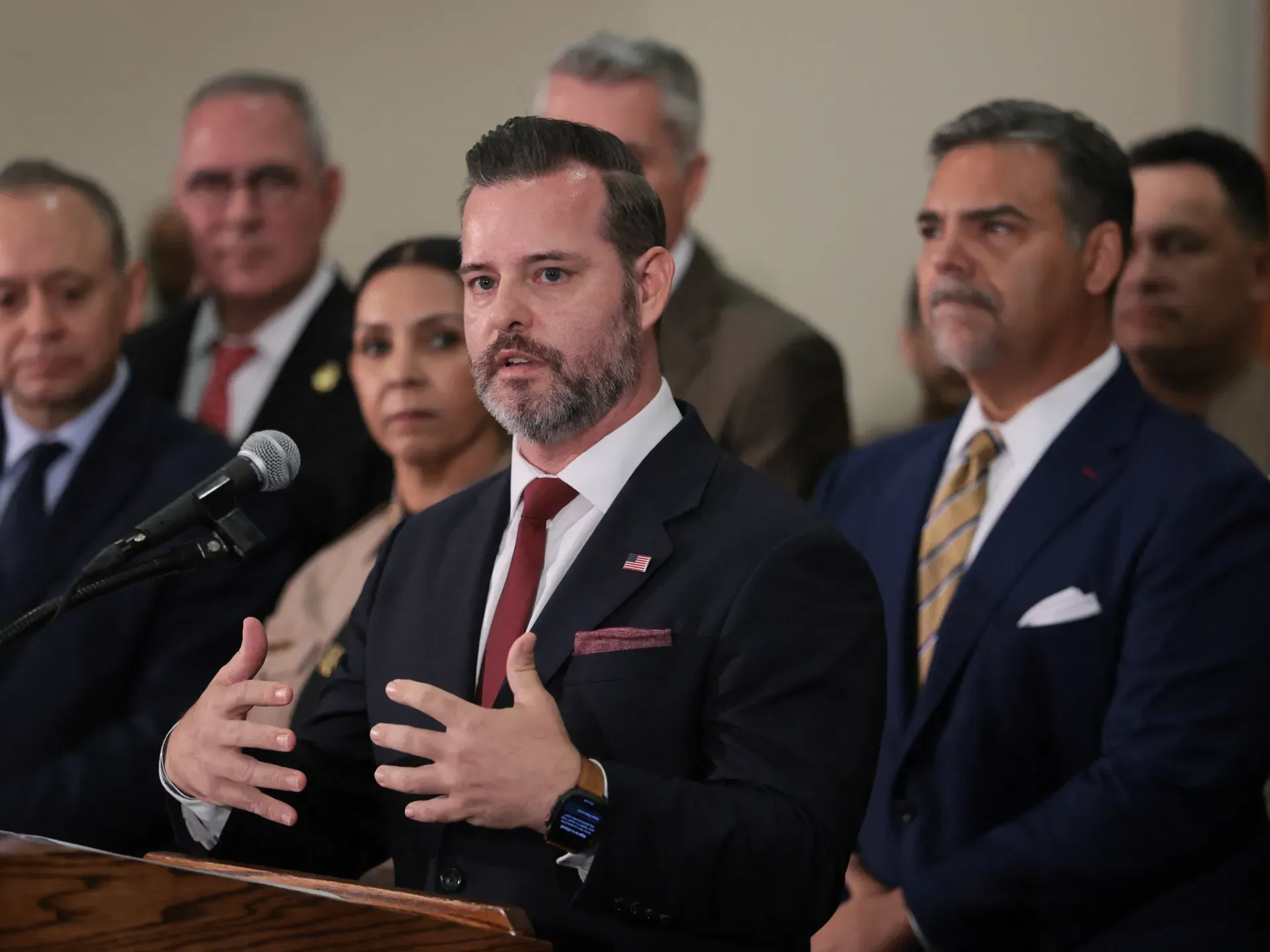
Florida State Attorney General James Uthmeier announced on Monday that the arrest warrant is based on criminal charges involving a conspiracy to commit first-degree murder. The legal action stems from the 1996 attack on two small, twin-engine aircraft affiliated with the Florida-based group Brothers to the Rescue. According to Uthmeier, the warrant seeks accountability for the deaths of four individuals: Carlos Costa, Pablo Morales, Mario de la Pena, and Armando Alejandre Jr.
The prosecution argues that Raul Castro, who served as Cuba's defense minister at the time, ordered the shoot-down of these unarmed planes in cold blood. Uthmeier emphasized that the state remains committed to pursuing justice for the victims three decades after the event, describing the incident as a "communist conspiracy."
The legal distinction between state and federal charges
While the Florida warrant focuses on state-level conspiracy to commit murder, it does not exist in isolation. In May 2026, the Trump administration unveiled a superseding federal indictment that also targets Raul Castro for the same 1996 incident. The federal charges are broader, encompassing conspiracy to kill US nationals, the destruction of aircraft, and four individual counts of murder. US Attorney for the Southern District of Florida, Jason Reding Quinones, stated that the federal indictment laid the necessary groundwork for the state-level pursuit, suggesting a coordinated effort to use both parallel legal avenues to hold the former leader accountable.
What was the 1996 aircraft incident involving Brothers to the Rescue?
The attack occurred on February 24, 1996, when two unarmed planes were shot down while flying over international waters. The aircraft were part of Brothers to the Rescue, an organization dedicated to assisting Cubans attempting to flee the island. The incident resulted in the immediate deaths of four people on board. The circumstances of the flight remain a point of intense historical and legal contention between the United States and Cuba.
According to US authorities, the planes were operating in international airspace and received no prior warning before the Cuban military engaged them. This lack of communication is a central pillar of the current criminal case against Castro. However, the Cuban government has historically contested this narrative, maintaining that previous flights by the same group had violated Cuban airspace despite explicit warnings to cease such operations.
How does this warrant fit into the current Trump administration's Cuba policy?
The issuance of the warrant is a significant development within a broader strategy of regime change pursued by the Trump administration. Since the beginning of 2026, the US government has significantly tightened restrictions on the Cuban economy to increase pressure on the ruling Communist Party. This strategy includes the implementation of a de facto energy blockade, which began in January.
The administration has utilized economic levers, such as threatening steep tariffs against any nation that supplies oil to Cuba, to effectively halt fuel exports to the island. This policy has had direct consequences for the Cuban population, as the island's power grid—which relies heavily on fossil fuels—has faced severe strain. Because Cuba produces only 40 percent of its required oil domestically, the blockade has exacerbated deteriorating living conditions and energy shortages across the country.
The use of legal indictments as geopolitical tools
The current legal actions against Raul Castro reflect a pattern in the Trump administration's foreign policy, where criminal indictments are used to target foreign leaders. This approach has been previously observed in the administration's stance toward other regional figures, such as former Venezuelan President Nicolas Maduro. By combining economic blockades with high-profile criminal charges, the US is attempting to delegitimize the current Cuban leadership and create legal and political pathways for government transition.
What is the current status and influence of Raul Castro?
At 95 years old, Raul Castro remains a figure of significant influence despite having retired from the presidency in 2018. He succeeded his brother, the late Fidel Castro, as president in 2008 and previously held the critical role of defense minister. Although he no longer holds formal executive office, he and his family continue to occupy powerful positions within the Cuban government and the Communist Party.
The recent legal developments target his historical actions as a military leader, but they also confront his enduring political legacy. The dual pressure of federal and state-level prosecutions represents a significant escalation in the legal scrutiny faced by the Castro family, even as the Cuban government continues to navigate the economic challenges imposed by US sanctions and the ongoing energy crisis.
FAQ: Raul Castro Arrest Warrant
What are the primary charges against Raul Castro in Florida?
Raul Castro faces state-level charges of conspiracy to commit first-degree murder in Florida. These charges are related to his alleged role in ordering the 1996 shoot-down of two unarmed aircraft belonging to the Brothers to the Rescue group, an incident that resulted in four fatalities.
How does the Florida warrant differ from the federal indictment?
The Florida warrant focuses on state-level conspiracy to commit murder. In contrast, the federal indictment issued in May 2026 includes broader charges, such as conspiracy to kill US nationals and the destruction of aircraft, providing a parallel legal path for prosecution.
Why is the 1996 aircraft attack significant now?
The attack is significant because it serves as the legal basis for renewed criminal proceedings against Castro. It has become a focal point for US efforts to hold Cuban leadership accountable for past actions while simultaneously pursuing contemporary regime change policies.
What impact has the US energy blockade had on Cuba?
The de facto energy blockade, initiated in January 2026, has severely strained Cuba's power system. By threatening tariffs on oil suppliers, the US has limited fuel imports to an island that only produces 40 percent of its own oil, worsening domestic conditions.
Who were the victims of the 1996 aircraft shoot-down?
The four individuals killed in the 1996 attack were Carlos Costa, Pablo Morales, Mario de la Pena, and Armando Alejandre Jr. Florida authorities are pursuing these specific cases to achieve justice for the lives lost during the incident.
Key takeaways
- Florida has issued an arrest warrant for Raul Castro for conspiracy to commit first-degree murder.
- The charges relate to the 1996 shoot-down of two unarmed Brothers to the Rescue aircraft.
- A separate federal indictment issued in May 2026 targets Castro for similar crimes.
- The US has implemented an energy blockade to increase pressure on the Cuban government.
- Cuba produces only 40 percent of its required oil domestically, increasing blockade impact.
Conclusion
The issuance of an arrest warrant for Raul Castro by Florida authorities marks a dramatic escalation in the long-standing tension between the United States and Cuba. By linking historical criminal allegations from 1996 with contemporary economic pressures, the US is employing a multi-front strategy to challenge the legitimacy of the Cuban government. While the legal proceedings target the actions of a 95-year-old former leader, the broader implications involve a significant shift in regional geopolitics, characterized by intensified sanctions and a concerted effort toward regime change through both judicial and economic means.



