
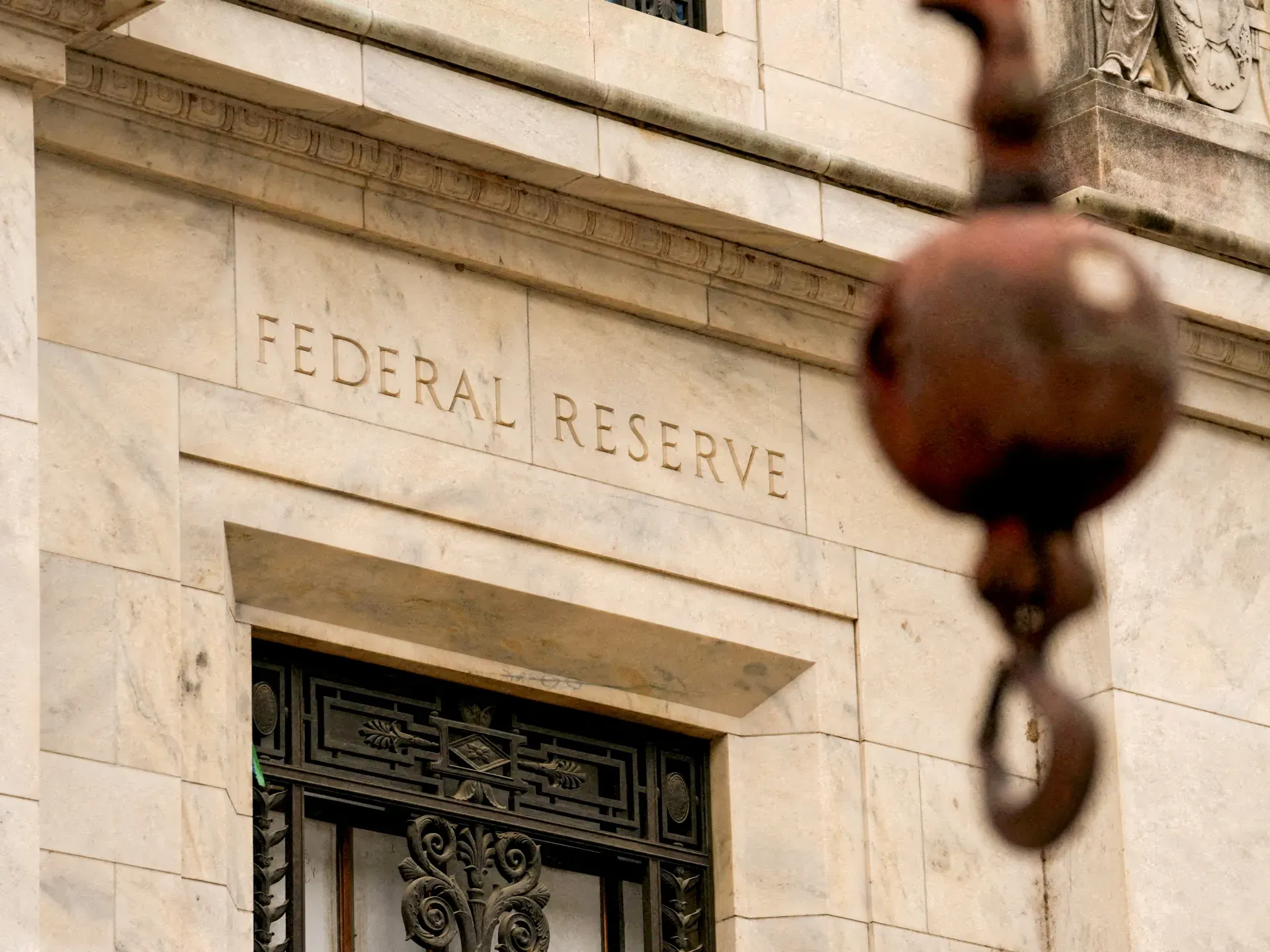
Fed interest rates unchanged in October 2026: inflation rise
The US Federal Reserve kept interest rates unchanged in its latest decision, maintaining the benchmark range at 3.75-4 percent. Despite the annual inflation rate rising to 3.7 percent in September, the central bank opted for a steady stance following a 10-2 vote. This decision arrives amidst significant economic shifts and the looming US midterm elections. The Federal Reserve aims to balance resilient domestic spending and robust productivity against the need to return inflation to its 2 percent target. This article examines the drivers behind the Fed's decision, the current inflation landscape, and the political implications for the upcoming elections.
November 8, 2026
6 min read
Source: ASHENVOW
Why did the Federal Reserve keep interest rates unchanged?
The Federal Reserve decided to maintain interest rates within the 3.75-4 percent range, aligning with market expectations that had priced in a high probability of stability. According to CME FedWatch, there was more than a 90 percent chance that the central bank would hold rates steady. This decision was reached via a 10-2 vote by the committee members.
The central bank's rationale for maintaining the current stance is rooted in the strength of the domestic economy. In its official press release, the Fed stated that economic activity is expanding at a strong pace. Key indicators supporting this view include resilient domestic spending, strong productivity growth, and robust capital investment. Furthermore, the labor market has shown stability, with job gains keeping pace with the workforce and the unemployment rate remaining relatively constant.
However, the decision is not without complexity. While the economy shows strength, the Fed acknowledged that uncertainty remains elevated. This uncertainty is driven in part by ongoing geopolitical developments that could impact economic stability. By holding rates steady, the Fed is adopting a cautious approach, waiting for more comprehensive data before committing to further hikes or cuts.
The 'Wait and See' Strategy
A significant factor in the decision was the preference for a more observational approach to monetary policy. Michelle Bowman, the Fed's chair for supervision, previously advocated for this 'wait and see' method during the International Monetary Fund-World Bank meetings in Bangkok. Bowman noted that there was no immediate urgency for further action, suggesting that the committee needs more time to understand how economic trends evolve before making definitive moves.
How is inflation affecting the Fed's monetary policy?
Inflation remains a primary concern for the Federal Reserve, as recent data shows a clear upward trend. The most recent Consumer Price Index (CPI) report indicated that the annual inflation rate rose to 3.7 percent in September 2026, an increase from the 3.4 percent recorded in August. This surge was largely attributed to rising energy prices, which have exerted upward pressure on the overall index.
The Federal Reserve's primary mandate includes ensuring a timely return of inflation to its 2 percent target. The current rise in the CPI complicates this goal. The Committee has indicated that the accumulation of more information is necessary to determine the appropriate policy stance. This information gathering is crucial because the central bank must decide whether the recent uptick in inflation is a temporary spike or the beginning of a more persistent trend.
To assist in this assessment, the Fed closely monitors the Personal Consumption Expenditures (PCE) Price Index. The release of the PCE report following this interest rate decision will provide vital data that the central bank uses to gauge inflation and inform future policy shifts. The interplay between energy costs and core inflation will likely dictate the trajectory of interest rates in the coming months.
What is the political context surrounding the Fed's decision?
The Federal Reserve's decision comes at a highly sensitive time, occurring less than a week before the US midterm elections. Monetary policy decisions are often viewed through a political lens, especially when they impact consumer sentiment and economic stability during an election cycle. The timing of this announcement adds a layer of scrutiny to the central bank's independence.
The Fed's recent history of rate adjustments has already drawn political attention. Last month, the central bank implemented an interest-rate hike—the first such increase since July 2023—in response to surging inflation. This move was met with vocal criticism from US President Donald Trump. Using his Truth Social platform, Trump argued that interest rates should be significantly lower, specifically stating that they 'should be 1% or less.'
The tension between political pressure and central bank independence is a recurring theme in US economics. While the Fed operates independently of the executive branch, the economic outcomes of its decisions—such as mortgage rates, borrowing costs, and inflation levels—directly influence voter behavior. With consumer sentiment hitting near-record lows ahead of the midterms, the Fed's ability to manage inflation without stifling growth is under intense observation.
What are the implications for the US economy moving forward?
The immediate implication of the Fed's decision is the stabilization of borrowing costs for businesses and consumers in the short term. By keeping rates at 3.75-4 percent, the Fed is attempting to maintain the current economic momentum while keeping the tools necessary to combat inflation if it continues to climb. The resilience of capital investment and domestic spending suggests that the economy is currently capable of absorbing these interest rates.
However, the risk of persistent inflation remains. If the upward trend seen in the September CPI continues, the Fed may be forced to reconsider its stance. The upcoming December 8-9 meeting will be the final opportunity for the central bank to make a rate decision in 2026. This meeting will be critical in determining whether the Fed will pivot toward easing policy or if further tightening will be required to meet the 2 percent inflation target.
For households and businesses, the focus will remain on the PCE Price Index and subsequent inflation reports. These metrics will serve as the roadmap for interest rate movements throughout late 2026 and into 2027. While the 'wait and see' approach provides temporary certainty, the volatility in energy prices and geopolitical tensions means that the economic landscape remains highly unpredictable.
Frequently asked questions
What is the current US interest rate range?
The Federal Reserve has maintained the benchmark interest rate at a range of 3.75% to 4%. This decision was made during the October 2026 meeting to keep monetary policy steady despite recent increases in inflation, following a 10-2 vote by the committee.
Why did US inflation increase in September 2026?
The annual inflation rate rose to 3.7% in September, up from 3.4% in August. This increase was primarily driven by a surge in energy prices, which pushed the Consumer Price Index (CPI) higher and heightened concerns regarding the Fed's 2% inflation target.
How does the Fed decide on interest rate changes?
The Federal Reserve uses various economic indicators, including the Consumer Price Index (CPI) and the Personal Consumption Expenditures (PCE) Price Index, to assess inflation. They also monitor employment rates, productivity growth, and consumer spending to determine if rates should be raised, lowered, or held steady.
When is the next Federal Reserve meeting?
The next scheduled monetary policy meeting for the Federal Reserve is set for December 8-9, 2026. This meeting will be significant as it represents the final interest rate decision of the year, providing clarity on the central bank's direction for 2027.
What is the role of the PCE Price Index?
The Personal Consumption Expenditures (PCE) Price Index is a key metric used by the Federal Reserve to measure inflation. It tracks the prices of goods and services consumed by households and is a primary tool the central bank uses to inform its monetary policy decisions.
Key takeaways
- The Federal Reserve held interest rates steady at 3.75-4% in October 2026.
- US annual inflation rose to 3.7% in September, driven largely by energy prices.
- The decision occurred just days before the US midterm elections, amid political pressure.
- The Fed aims to return inflation to its long-term target of 2%.
- The next major rate decision is scheduled for December 8-9, 2026.
Conclusion
The Federal Reserve's decision to maintain interest rates at 3.75-4% reflects a cautious balancing act between supporting a resilient economy and tackling rising inflation. While domestic spending and productivity remain strong, the uptick in the CPI to 3.7% highlights the persistent challenge of reaching the 2% inflation goal. As the US approaches midterm elections and awaits critical PCE data, the central bank's 'wait and see' approach will be tested. The upcoming December meeting will ultimately reveal whether the Fed's current stability is a precursor to further tightening or a transition toward policy easing.



