
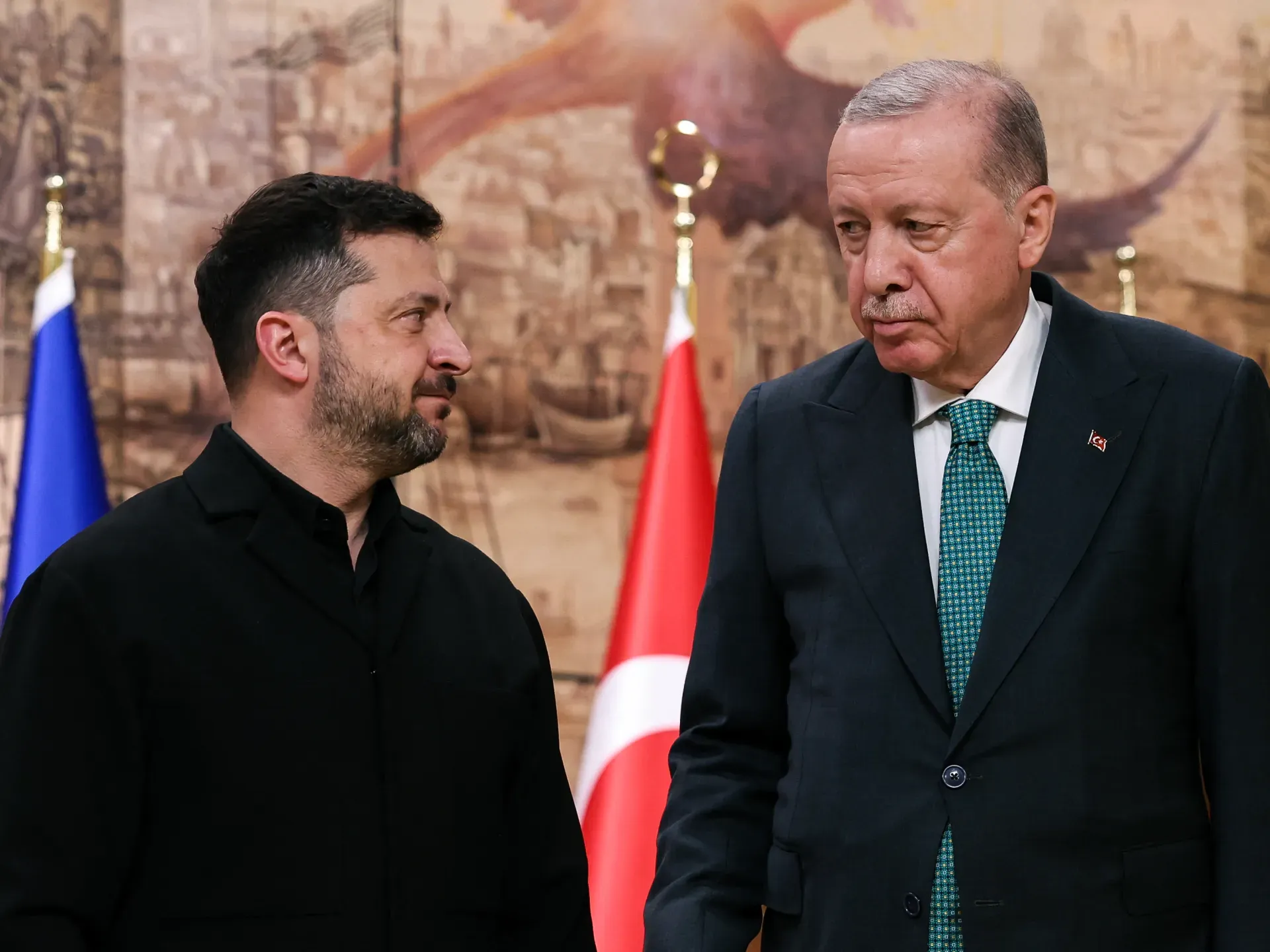
Black Sea grain corridor: Erdogan and Zelenskyy seek deal
The Black Sea grain corridor is a central focus of renewed diplomatic efforts between Turkiye and Ukraine to ensure maritime safety. During a high-level meeting in Istanbul on October 31, 2026, President Recep Tayyip Erdogan and President Volodymyr Zelenskyy agreed to collaborate on establishing a new corridor to protect civilian vessels. This initiative follows escalating attacks on commercial shipping in the region, which threaten global food and energy security. The discussions aim to mitigate the impact of hostilities on international trade and provide a foundation for broader peace negotiations. This article examines the recent Istanbul summit and the proposed maritime protections.
November 8, 2026
6 min read
Source: ASHENVOW
Why is there a renewed push for a Black Sea grain corridor?
The push for a new Black Sea grain corridor stems from the urgent need to protect civilian commercial shipping from military strikes in the region. During a joint news conference in Istanbul on Saturday, President Recep Tayyip Erdogan emphasized that attacks on civilian vessels are unacceptable, regardless of the party responsible. The escalation of maritime tensions has directly threatened the stability of international food and energy supplies.
President Zelenskyy confirmed that a significant portion of his discussions with Erdogan focused on maritime security. He stated that an agreement was reached to work specifically on the Black Sea grain corridor to ensure safe navigation. This follows a period of heightened danger for merchant ships, including incidents such as the drone strike on the Liberian-flagged container ship, Contship Jet, within Bulgaria’s exclusive economic zone.
The impact of maritime instability on global markets
The instability in the Black Sea does not merely affect the combatants; it creates a ripple effect across global markets. According to US Secretary of State Marco Rubio, the current situation threatens both global food security and energy security. The disruption of these vital shipping lanes forces fluctuations in commodity prices and complicates the logistics of international trade. By focusing on a limited maritime corridor, diplomats hope to isolate the commercial aspects of the conflict from the broader military engagement, thereby securing essential shipments without requiring an immediate, comprehensive end to the war.
What are the specific proposals to secure Black Sea shipping?
Ankara has actively sought to mediate maritime safety by submitting formal proposals to both Moscow and Kyiv to end attacks on commercial vessels. While Erdogan noted that Turkiye remains committed to these efforts, he also indicated that neither side has yet acted upon the specific proposal sent by the Turkish government. The goal of these proposals is to establish a zone of safety that allows grain and energy shipments to proceed without the threat of drone or missile strikes.
The United States is currently reviewing alternative proposals to restore these vital shipping lanes. According to Secretary of State Marco Rubio, these proposals have been put forward by both Turkiye and India. Rubio noted that while such a maritime agreement would not solve the underlying war, it would address a "unique aspect" of the conflict by stabilizing the movement of essential goods. This multilateral approach suggests that the solution to the Black Sea maritime crisis may require more than just bilateral agreements between the warring parties.
How does the Istanbul summit impact broader peace negotiations?
The discussions in Istanbul serve as a potential stepping stone for more comprehensive diplomatic efforts to end the Russia-Ukraine war. President Erdogan suggested that reaching an agreement on maritime navigation could provide "fresh impetus" to the wider movement toward lasting peace. Turkiye has positioned itself as a critical intermediary, having hosted several rounds of talks aimed at achieving a ceasefire and a permanent peace deal.
President Zelenskyy expressed support for renewed diplomatic momentum, specifically pointing toward initiatives involving US President Donald Trump. Zelenskyy maintained that a "just peace" must be achieved where there are no losers, emphasizing Ukraine's readiness to engage in all possible efforts to pave the way for a settlement. The Ukrainian leader stressed the importance of sending clear signals to Russia that there is no alternative to peace and that international support for Ukraine will remain steadfast.
The role of international mediators in the peace process
The diplomatic landscape is currently characterized by multiple overlapping initiatives. While Turkiye continues to leverage its unique position of maintaining ties with both Moscow and Kyiv, other international actors are also stepping in. The Kremlin has indicated that the next major round of talks involving Russia, Ukraine, and the United States is scheduled to take place in November in the United Arab Emirates. This suggests a transition toward a more complex, multi-party diplomatic framework where Turkiye, Europe, and the US must coordinate their efforts to ensure any resulting peace is sustainable and respected by all parties involved.
What are the proposed formats for future diplomatic talks?
Future diplomatic engagement is being considered through several different formats, including the possibility of hosting high-level meetings in Turkiye. During the Istanbul summit, President Zelenskyy discussed various options with Erdogan, ranging from involving European partners to utilizing existing mediation channels in the Middle East. The objective is to find a platform that can facilitate direct communication between the necessary stakeholders.
The involvement of Turkiye remains a cornerstone of these discussions. Following a phone call with President Trump on Wednesday, Erdogan reaffirmed Turkiye's readiness to support the revival of the diplomatic process. This readiness is backed by Turkiye's history of hosting successful mediation sessions. As the international community looks toward the upcoming talks in the UAE, the focus remains on whether these diverse diplomatic tracks can converge to produce a tangible ceasefire.
FAQ: Black Sea Maritime Security and Diplomacy
What is the main goal of the Black Sea grain corridor?
The primary objective of the Black Sea grain corridor is to ensure the safe and uninterrupted passage of civilian commercial vessels. By establishing protected lanes, the corridor aims to stabilize global food and energy security, which have been severely disrupted by ongoing military attacks in the region.
Has a ceasefire been reached in the Black Sea?
No, a formal ceasefire has not been reached. While there is growing international interest in a limited ceasefire specifically to secure grain and energy shipments, current discussions are focused on proposals to mitigate attacks on civilian ships rather than a complete cessation of hostilities.
Which countries are proposing solutions for grain shipments?
Both Turkiye and India have submitted proposals aimed at getting grain shipments moving safely through the Black Sea. The United States is currently reviewing these suggestions to determine how they might be implemented to protect global food security.
What is Turkiye's role in the peace process?
Turkiye acts as a key diplomatic mediator, maintaining communication with both Russia and Ukraine. The Turkish government has hosted multiple rounds of talks and has proposed specific measures to end attacks on civilian shipping to facilitate a path toward lasting peace.
When is the next round of major talks scheduled?
According to the Kremlin, the next significant round of negotiations involving Russia, Ukraine, and the United States is planned to resume in November. These talks are expected to take place in the United Arab Emirates.
Key takeaways
- President Erdogan and President Zelenskyy agreed to collaborate on a new Black Sea grain corridor.
- Attacks on civilian vessels in the Black Sea are being condemned by Turkiye and the US.
- The US is reviewing maritime security proposals submitted by Turkiye and India.
- Negotiations involving Russia, Ukraine, and the US are expected to resume in November in the UAE.
- Securing maritime trade is viewed as a potential catalyst for broader peace efforts.
The future of Black Sea stability
The agreement between Erdogan and Zelenskyy to pursue a new grain corridor represents a critical attempt to decouple global economic stability from the immediate violence of the conflict. While the maritime security of the Black Sea remains precarious, the involvement of multiple international actors—including Turkiye, India, and the United States—provides a multifaceted approach to addressing food and energy insecurity. The success of these efforts will likely depend on whether the upcoming November talks in the UAE can translate these maritime proposals into a broader, more stable diplomatic framework.



