
Election Day 2026: A Guide to Voting and Tracking Ballots
Election Day 2026 falls on November 3, determining the congressional makeup and the legislative trajectory of the Trump administration. More than 51 million Americans have already participated in the 2026 midterm elections. Voters must navigate varying state regulations regarding mail-in deadlines, polling locations, and identification requirements to ensure their ballots are counted. This guide provides essential details on voting by mail, in-person procedures, ballot security, and how to locate your specific polling station before the deadline. Staying informed is critical to ensuring your voice is heard in this pivotal national contest.
November 8, 2026
5 min read
Source: ASHENVOW
How can I vote by mail in the 2026 midterms?
Mail-in voting has become a primary method of participation, with eight states currently utilizing universal mail-in systems or all-mail election models. Because mail-in participation grew significantly following the 2020 cycle, understanding your specific state's deadlines is critical to ensuring your vote is valid.
If you are using an absentee or mail-in ballot, you must ensure it is postmarked by or on Election Day, November 3. A postmark arriving after this date may result in your ballot being voided. If you have not received your ballot, you should contact your local election office immediately to request a replacement.
Using ballot drop boxes safely
For those who prefer not to use the postal service, approximately 15 states mandate the availability of ballot drop boxes, often situated in public locations such as parks or libraries. States offering these options include California, Colorado, Delaware, Georgia, Florida, Kentucky, New Jersey, Nevada, Maryland, Michigan, Oregon, Rhode Island, Utah, Virginia, and Washington. Conversely, 11 states—including Texas, South Carolina, and Tennessee—prohibit the use of drop boxes, meaning voters in these jurisdictions must rely on postal postmarks or in-person delivery.
What are the procedures for in-person voting?
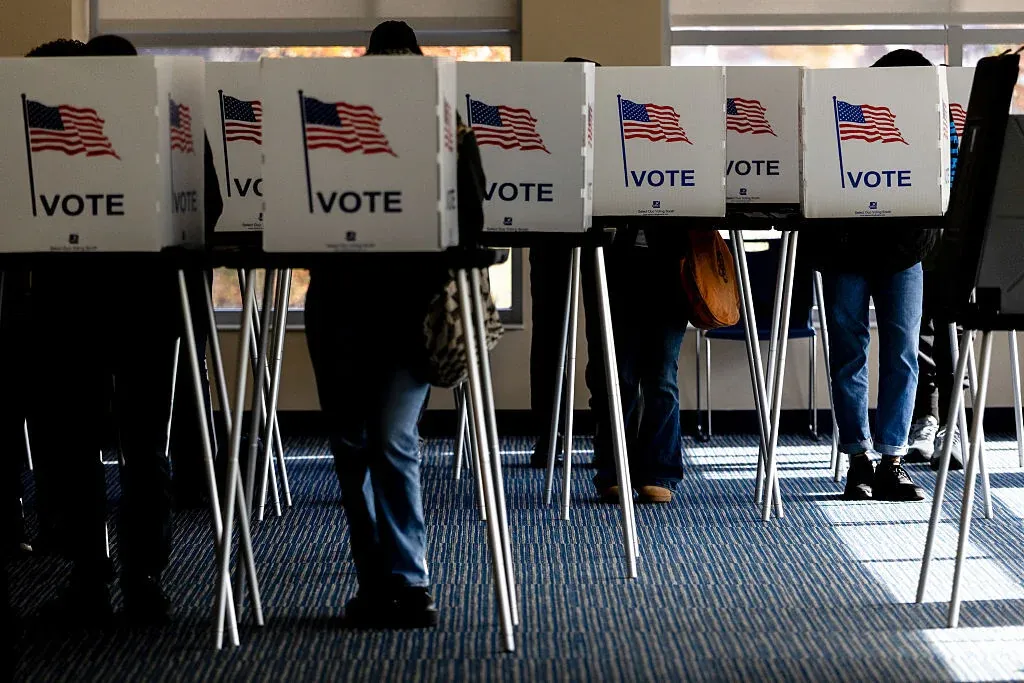
In-person voting remains a significant component of the electoral process, with many citizens choosing to visit physical polling locations. Your assigned polling place is determined by the registration address you provided to election officials. While most voting occurs on Election Day, many jurisdictions offer early in-person voting, sometimes beginning as early as one month before the November 3 deadline.
Voters should be aware that accessibility needs may affect where they vote. Individuals with disabilities may be directed to specific polling locations designed to accommodate their unique requirements. To find your designated location, you can consult the National Association of Secretaries of State (NASS), use tools provided by Vote.org, or contact your local registrar directly.
What documents do I need to bring to the polls?
Identification requirements vary significantly depending on your state's specific laws. While you do not need specialized equipment to cast a vote, you may be required to present a form of verification to confirm your identity.
In some jurisdictions, if you do not have the required ID, you may still be permitted to vote by signing an identity form. To assist in your decision-making, voters are legally permitted to bring personal notes, sample ballots, or voter guides into the polling booth to ensure they select their preferred candidates correctly.
How can I ensure my ballot is secure and counted?
Ballot security is managed through multiple layers of oversight, including the U.S. Election Assistance Commission (EAC) and thousands of local election officials. While researchers have identified potential security vulnerabilities in electronic voting machines, experts note that these have not resulted in documented instances of election interference.
The primary threat to modern election integrity is often cited as the rapid spread of misinformation, frequently amplified by artificial intelligence. To protect your own vote, you can utilize ballot tracking services offered by most states. If you encounter issues, you can call 866-OUR-VOTE (866-687-8683) for assistance.
Understanding legal protections and challenges
Under the National Voter Registration Act, ballots cannot be challenged without a legitimate legal basis. Furthermore, election officials are prohibited from conducting "voter purges"—the deletion of names from voter rolls—within 90 days of a federal election. If your registration is contested at a polling station, you have the right to cast a provisional ballot to ensure your eligibility is reviewed.
Can the federal government intervene in the election results?
The President does not possess the legal authority to nationalize the election process or issue executive orders to alter electoral outcomes. Despite claims regarding noncitizen voting, the majority of noncitizens charged with voting offenses have been found to be lawful residents. Legal safeguards are in place to prevent the current Congress from refusing to seat officials who have been duly elected.
While the administration has expressed skepticism regarding the legitimacy of midterm results, historical legal precedents have consistently blocked attempts to use emergency powers to seize voting machines or nullify ballots. The integrity of the count remains under the jurisdiction of state and local authorities, protected by federal law enforcement and judicial oversight.
Frequently asked questions
Do I need an ID to vote?
Identification requirements depend entirely on your state's specific laws. Some states require strict photo ID, while others allow for alternative verification methods or identity forms. You should check with your state's election officials or registrar to confirm exactly what documentation you must present at your polling place.
Can I track my mail-in ballot?
Yes, most states provide a tracking mechanism that allows voters to monitor the status of their mail-in or absentee ballots. You can typically find this service on your state's official registrar website or by contacting election officials directly via their provided help lines.
What happens if my registration is challenged?
If an election worker challenges your registration at the polls, you are generally permitted to cast a provisional ballot. This ensures that your vote is recorded while officials conduct a formal review of your eligibility to ensure the vote is counted legally.
Are electronic voting machines reliable?
Electronic voting apparatuses are overseen by the U.S. Election Assistance Commission (EAC) to ensure reliability. While security researchers monitor for flaws, there is currently no evidence that these vulnerabilities have led to widespread election interference or successful manipulation of the vote counts.
Can my ballot be voided?
A ballot can be voided if it is not postmarked by Election Day or if it fails to meet specific state-mandated requirements. To avoid this, ensure your mail-in ballot is sent with sufficient lead time or delivered to an official drop box if your state permits them.
Key takeaways
- Over 51 million Americans have already cast their votes in the 2026 midterm elections.
- Mail-in ballots must be postmarked by November 3 to be considered valid by most states.
- Eight states currently offer universal mail-in voting options to their residents.
- Voters can use provisional ballots if their registration is challenged at a polling location.
- The President lacks the legal authority to nationalize or intervene in the election process.
Conclusion
The 2026 midterm elections represent a pivotal moment for the current administration and the composition of the U.S. Congress. As the November 3 deadline approaches, voters must remain proactive in verifying their registration status, understanding state-specific ID requirements, and adhering to strict mail-in deadlines. While concerns regarding misinformation and machine security persist, established legal frameworks and oversight from the EAC provide a structured environment for the electoral process. By utilizing official tools like Vote.org and state registrar websites, citizens can ensure their participation is both seamless and legally protected.



