
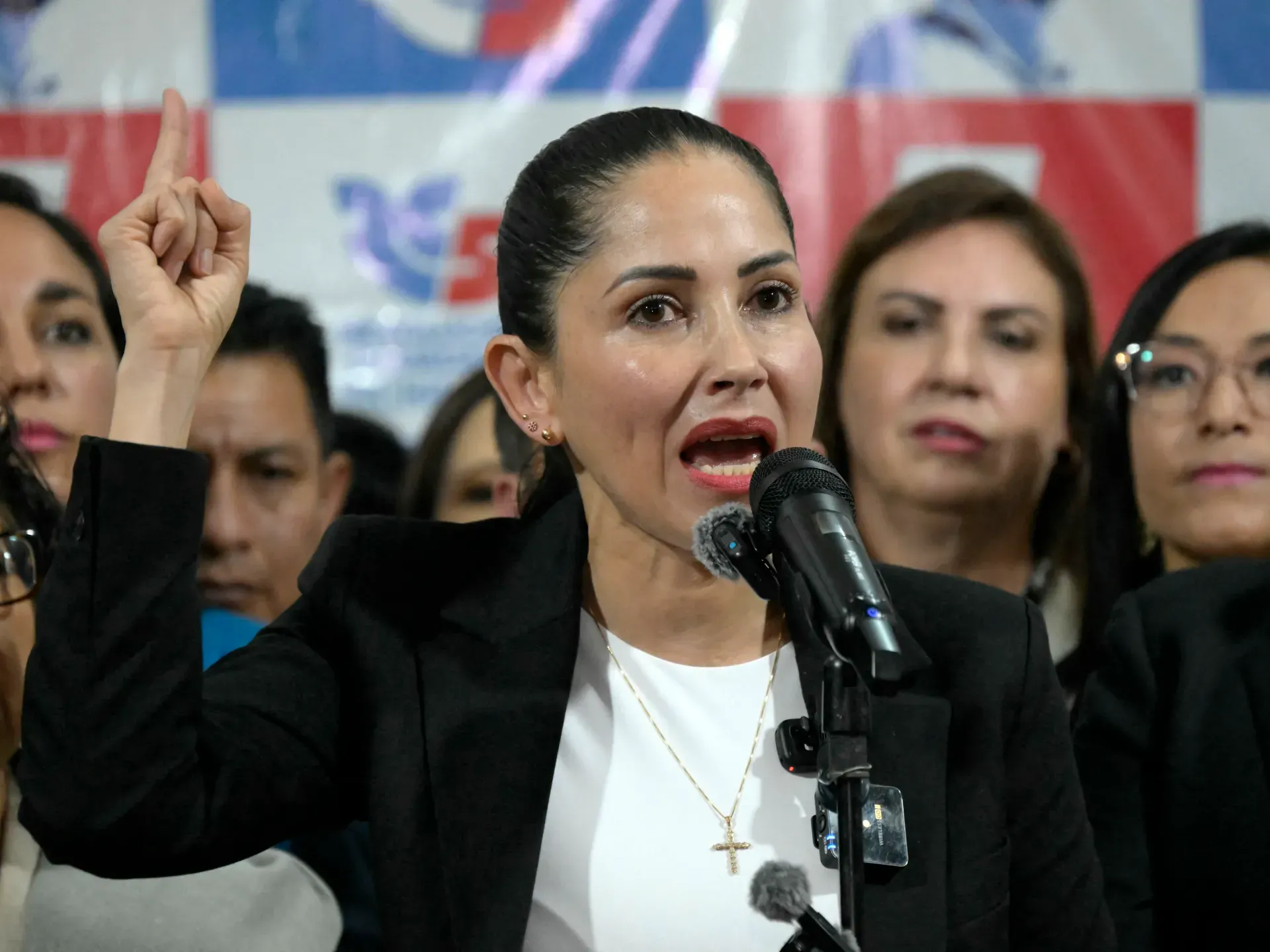
Luisa Gonzalez arrest: Ecuador leader held in finance probe
The arrest of Luisa Gonzalez on October 22, 2026, has triggered a political crisis in Ecuador as authorities investigate alleged campaign finance irregularities. Gonzalez, a prominent left-wing figure and ally of former President Rafael Correa, was detained in the rural town of Canuto. The investigation, known as the Laberinto case, centers on the suspected improper channeling of approximately $500,000 for campaign advertising during the 2023 presidential election cycle. This development follows intense political friction between the Gonzalez-led Citizen Revolution Movement and the administration of President Daniel Noboa. This article examines the legal allegations and the political implications for Ecuador.
October 27, 2026
5 min read
Source: ASHENVOW
What are the specific allegations in the Laberinto case?
The arrest of Luisa Gonzalez is a central component of the 'Laberinto case,' an investigation into financial inconsistencies during her 2023 presidential campaign. According to the Ecuador Attorney General’s Office, the probe focuses on the lawful source of funds and the accuracy of reported contributions used during the election cycle.
Investigators are specifically examining a network of entities used to move roughly $500,000 intended for campaign advertising between May and August 2023. The Attorney General’s Office alleges that these funds may have been transferred through improper channels, effectively concealing the identities of the contributors and the original sources of the money. This lack of transparency is at the heart of the criminal investigation into the movement's financing.
The scope of the judicial investigation
The judicial action extends beyond Gonzalez herself. The Attorney General’s Office confirmed that arrest warrants were executed against three individuals suspected of involvement in money laundering. In total, seven people are currently under investigation for their roles in the alleged financial irregularities. The prosecution aims to determine if the campaign's advertising budget was bolstered by undisclosed or illegal contributions that bypassed statutory disclosure requirements.
Why was Luisa Gonzalez arrested in Canuto?
Luisa Gonzalez was detained in Canuto, a rural location in western Ecuador, as part of the execution of judicial warrants. The arrest marks a significant escalation in the legal pressure facing the Citizen Revolution Movement, which has long been the primary opposition to the current administration.
Gonzalez, a lawyer and former member of Ecuador’s National Assembly, has a history of high-profile political battles. Her detention follows two consecutive presidential election losses to the right-wing President Daniel Noboa in 2023 and 2025. The location of her arrest in a rural area adds a layer of complexity to the unfolding political drama, as her supporters view the move as a targeted strike against the left-wing opposition.
How has the Citizen Revolution Movement responded to the arrest?
The Citizen Revolution Movement has officially denounced the arrest of Gonzalez as a politically motivated act of persecution. The party leadership and its most prominent allies have called for her immediate release, framing the legal proceedings as an assault on democratic processes.
Gabriela Rivadeneira, the president of the Citizen Revolution Movement, demanded that Gonzalez be freed, asserting that the charges are a tool used by the current government to silence dissent. This sentiment was echoed by former President Rafael Correa, a long-time ally of Gonzalez. Correa, who led the country from 2007 to 2017, used social media to condemn the arrest, stating that the situation had reached a breaking point.
Gonzalez herself has rejected the allegations, describing them as "absurd" via her social media presence. She has positioned herself as a political prisoner, urging her followers to unite against what she characterizes as the "Noboa dictatorship." Her response emphasizes a narrative of resistance against the current executive branch.
What is the political context involving President Daniel Noboa?
The arrest occurs within a period of intense polarization between the administration of President Daniel Noboa and the left-wing opposition. Noboa, who has established close ties with United States President Donald Trump, has implemented a series of measures that critics describe as a crackdown on political rivals.
The relationship between Noboa and the Citizen Revolution Movement has been marked by mutual accusations of illegality. While the government investigates Gonzalez for campaign finance issues, the Noboa administration has previously accused her political movement of conspiring with criminal organizations to orchestrate attacks against the presidency. This cycle of accusations has deeply fractured the Ecuadorian political landscape.
The suspension of political participation
The tension between the two factions reached a critical milestone in March, when the Citizen Revolution Movement was suspended from participating in upcoming local elections. These elections are scheduled to take place on November 29, meaning the arrest of their leading figure occurs at a moment when the party's institutional influence is already under significant legal and regulatory constraint.
Has there been previous investigation into these funds?
The current Laberinto case is not an isolated incident but follows earlier probes into the financing of Gonzalez's 2023 presidential bid. Authorities have previously looked into allegations regarding the origin of campaign funds, specifically focusing on claims that money from Venezuela was utilized to support her candidacy.
While the current investigation focuses on the $500,000 advertising network, the historical context of these allegations suggests a long-standing scrutiny of the movement's financial ties. The intersection of these previous claims and the new findings in the Laberinto case provides the legal basis for the current intensified crackdown by the Attorney General’s Office.
FAQ: Luisa Gonzalez arrest and the Ecuador probe
What is the Laberinto case?
The Laberinto case is a judicial investigation in Ecuador into alleged irregularities in the 2023 presidential campaign financing of Luisa Gonzalez. It focuses on the suspected improper use of a network of entities to channel $500,000 for advertising without disclosing the true sources of the funds.
Who is Luisa Gonzalez?
Luisa Gonzalez is a prominent Ecuadorian left-wing politician, lawyer, and former member of the National Assembly. She was a presidential candidate for the Citizen Revolution Movement and a close ally of former President Rafael Correa, having contested the 2023 and 2025 elections against Daniel Noboa.
What are the charges against the suspects?
The Attorney General’s Office has executed arrest warrants against three individuals on suspicion of money laundering. Seven people in total are being investigated for inconsistencies regarding the lawful source of contributions and the transparency of funds used during the 2023 presidential campaign.
How has the government reacted to the allegations?
The government of President Daniel Noboa has maintained that the investigations are legal proceedings aimed at ensuring electoral integrity. The administration has previously accused Gonzalez's political movement of conspiring with criminal groups, framing the legal actions as necessary to protect the state.
What is the impact on upcoming elections?
The arrest occurs shortly before the local elections scheduled for November 29. Given that the Citizen Revolution Movement was already suspended from participating in these elections in March, the detention of Gonzalez further complicates the political landscape for the opposition.
Key takeaways
- Luisa Gonzalez was arrested on October 22, 2026, in connection with the Laberinto case.
- The investigation involves $500,000 in alleged irregular campaign advertising funds from 2023.
- Seven individuals are under investigation for campaign finance inconsistencies and money laundering.
- The Citizen Revolution Movement has denounced the arrest as political persecution by the Noboa administration.
The evolving landscape of Ecuadorian politics
The arrest of Luisa Gonzalez represents a significant flashpoint in the ongoing struggle for political dominance in Ecuador. As the Laberinto case moves through the judicial system, the tension between the legal requirements of campaign transparency and the allegations of political persecution will likely intensify. The outcome of this investigation will not only determine the legal fate of Gonzalez and her associates but will also serve as a litmus test for the independence of the Ecuadorian judiciary and the stability of its democratic institutions amidst deep-seated partisan division.



