
Ebola outbreak in DR Congo: Death toll exceeds 5,300 in 2026
The Ebola outbreak in DR Congo has reached a critical milestone, with the death toll surpassing 5,300 individuals. According to the Africa Centres for Disease Control and Prevention (Africa CDC), 5,376 people have died due to the virus, with 5,372 of those fatalities occurring within the Democratic Republic of the Congo. The current crisis is driven by the Bundibugyo strain, which has also caused fatalities in Kenya and Uganda. This article examines the scale of the outbreak, the regional spread of the virus, and the current status of medical interventions.
November 8, 2026
5 min read
Source: ASHENVOW
How many people have died in the current Ebola outbreak?
The total death toll from the ongoing Ebola outbreak has reached 5,376 people, according to data released by the Africa CDC on Monday, November 3, 2026. The vast majority of these fatalities are concentrated in the Democratic Republic of the Congo (DRC), which has recorded 5,372 deaths. This represents the 17th outbreak in the country's history and is officially the largest recorded instance of the virus in the nation.
The outbreak was declared in mid-May, marking a significant escalation in regional health concerns. While the DRC remains the epicentre, the mortality rate associated with this specific strain is exceptionally high. The Bundibugyo strain is currently responsible for the surge in cases, maintaining a death rate of more than 50 percent among those infected.
Breakdown of mortality by country
The distribution of deaths highlights the geographic concentration of the crisis. While the DRC bears the overwhelming burden, the virus has claimed lives in neighbouring territories. As of the latest report, Kenya and Uganda have each recorded two deaths. This cross-border movement underscores the difficulty of containing a highly infectious viral strain in regions with significant human mobility.
What is the impact of the Bundibugyo strain?
The Bundibugyo strain is responsible for infecting approximately 10,444 people across the DRC, Uganda, and Kenya. Unlike some other variants, this strain has demonstrated a high level of virulence, contributing to the current spike in regional infections and mortality. The virus has proven capable of crossing international borders several times throughout recent months, complicating containment efforts.
The epidemiological profile of the Bundibugyo strain is characterized by its rapid transmission and high fatality rate. With more than half of those infected succumbing to the disease, healthcare systems in the affected regions are under immense pressure. The scale of infection—exceeding 10,000 cases—places this outbreak among the most significant public health emergencies currently facing the African continent.
How has the virus spread to neighbouring countries?
The virus has successfully moved from the DRC into Uganda and Kenya through various channels of human movement. In Uganda, the outbreak previously resulted in 20 recorded cases, most of which involved individuals who had travelled from the DRC. While Uganda was declared Ebola-free in August, the threat of re-introduction remains a primary concern for regional health authorities.
Kenya has seen a more recent emergence of the virus. In October, the country recorded nine infections and two deaths, marking the first time Ebola cases have been officially documented within Kenya's borders. This recent activity suggests that the containment measures in the DRC have not yet fully halted the outward migration of the virus.
The situation in Nigeria and other regions
In contrast to the active spread in East and Central Africa, Nigeria has successfully managed recent suspected cases. Health authorities in Nigeria reported that two rounds of testing conducted on two suspected cases in the northeast region returned negative results. This provides a temporary reprieve for Africa's most populous nation, which also reported its first imported case in October—the first in over a decade—though no deaths occurred in that instance.
What is the current status of medical interventions and vaccines?
Clinical trials have recently commenced using the Ervebo vaccine to combat the ongoing crisis. While the Ervebo vaccine has already demonstrated proven effectiveness against the more common Zaire strain of Ebola, its application in the context of the Bundibugyo strain is a critical area of ongoing medical research. The success of these trials is essential for developing a robust defence against this specific variant.
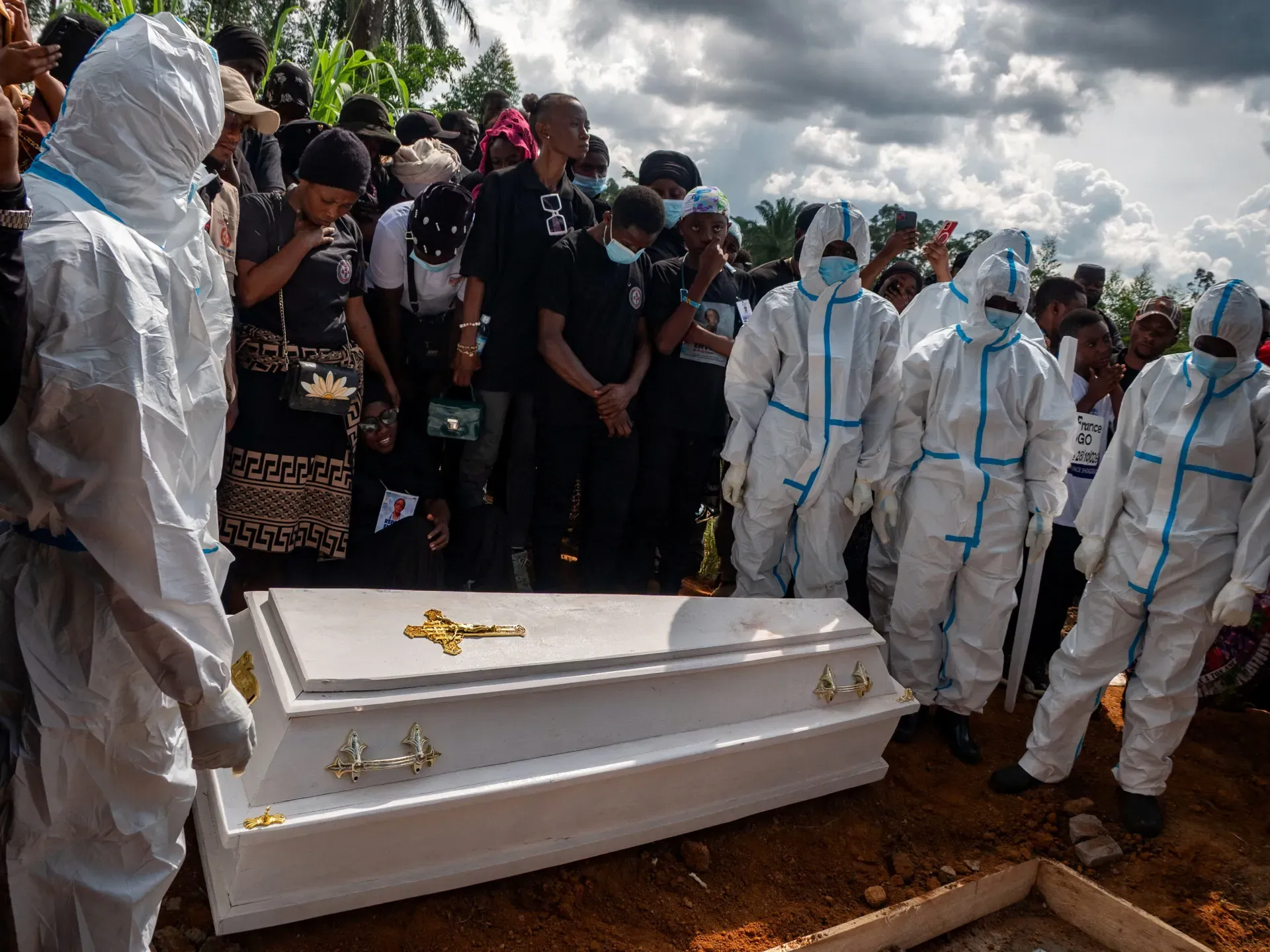
The deployment of medical personnel and protective equipment remains a frontline priority. In regions like the Ituri province, medical workers continue to operate under extreme conditions, managing both the treatment of patients and the safe handling of remains to prevent further community transmission. The integration of vaccination programmes and rigorous contact tracing remains the primary strategy for halting the spread.
Global reach of the virus
While the outbreak is primarily an African health crisis, isolated cases have been reported internationally. For example, France reported a single case in July involving a health worker who had returned from the DRC. These sporadic cases highlight the necessity of international surveillance and the importance of maintaining strict quarantine protocols for travellers returning from high-risk zones.
Key takeaways
- The total Ebola death toll has reached 5,376, with 5,372 deaths in the DRC.
- The Bundibugyo strain has infected over 10,444 people across three countries.
- Kenya recorded its first Ebola cases in October with nine infections and two deaths.
- Clinical trials are underway with the Ervebo vaccine to address the outbreak.
FAQ: Ebola outbreak in DR Congo
How many people have died in this outbreak?
A total of 5,376 people have died from the current Ebola outbreak. According to the Africa CDC, the vast majority of these fatalities, specifically 5,372, occurred in the Democratic Republic of the Congo, while Kenya and Uganda have each reported two deaths.
What strain of Ebola is causing the current crisis?
The current outbreak is driven by the Bundibugyo strain. This specific strain has infected approximately 10,444 people in the DRC, Uganda, and Kenya and is noted for a high mortality rate exceeding 50 percent.
Has the virus spread outside of the DRC?
Yes, the virus has spread to neighbouring Uganda and Kenya. Uganda previously recorded 20 cases before being declared Ebola-free in August, while Kenya recorded nine infections and two deaths in October, marking its first recorded cases.
Is there a vaccine available for this outbreak?
Clinical trials have begun using the Ervebo vaccine. Although Ervebo has been proven effective against the Zaire strain, medical professionals are currently evaluating its efficacy and application in managing the Bundibugyo strain during these ongoing trials.
What is the situation in Nigeria?
Nigeria remains stable regarding the current outbreak. After reporting its first imported case in October, health authorities conducted two rounds of testing on suspected cases in the northeast, both of which returned negative results, confirming no active infection.
Conclusion
The Ebola outbreak in the Democratic Republic of the Congo has evolved into a major regional health emergency, with over 5,300 lives lost. The virulence of the Bundibugyo strain, combined with its ability to cross borders into Kenya and Uganda, necessitates a coordinated international response. While the negative test results in Nigeria offer some relief, the high mortality rate and the ongoing clinical trials for the Ervebo vaccine underscore the complexity of the situation. Continued vigilance and the successful implementation of vaccination strategies remain the most critical factors in preventing further loss of life across the continent.



