
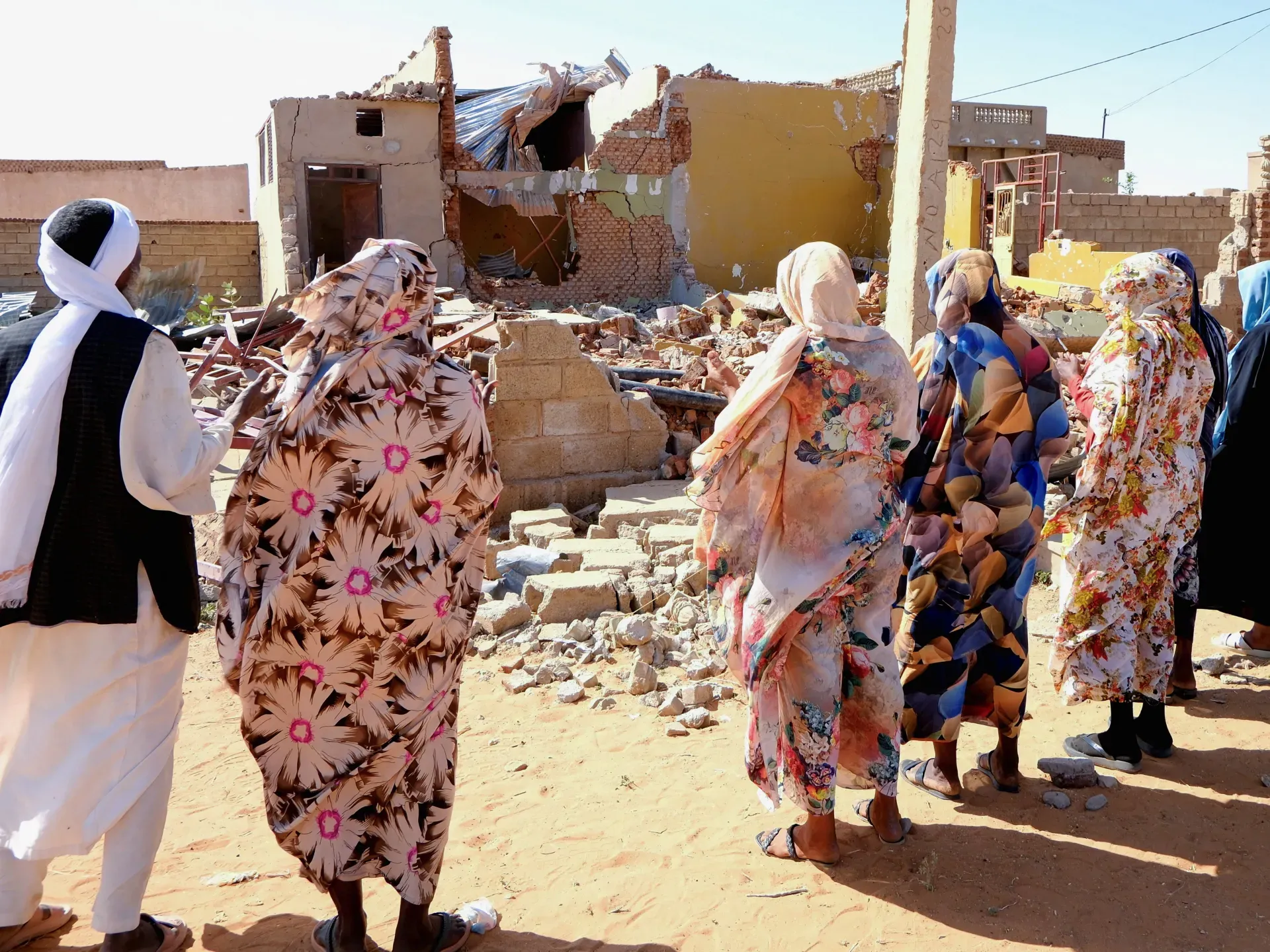
Drone attacks in Sudan: 160 reported killed in escalating violence
Recent drone attacks in Sudan have resulted in the deaths of more than 160 people, according to medical professionals and human rights organizations. These unmanned aircraft strikes have increasingly targeted civilian populations and critical infrastructure across various regions, including Khartoum and West Kordofan. The surge in aerial violence follows a pattern of escalating combat between the Sudanese army and the Rapid Support Forces (RSF). This article examines the recent deadly strikes, the strategic targeting of infrastructure, and the broader humanitarian implications of the ongoing conflict.
October 27, 2026
5 min read
Source: ASHENVOW
How have recent drone attacks in Sudan impacted civilian casualties?
Recent waves of unmanned aircraft strikes have caused a sharp rise in civilian fatalities across the country. According to Emergency Lawyers, a monitoring group for violence against civilians, drone attacks in Khartoum claimed the lives of three children on Monday. This follows a period of intense violence in the western regions, where more than 160 deaths were reported since the previous Friday.
The shift toward drone warfare has fundamentally changed the lethality of the conflict. While the civil war between the Sudanese military and the Rapid Support Forces (RSF) has been ongoing since 2023, the increased deployment of drones in recent months has led to a higher frequency of unpredictable and deadly strikes on non-combatant areas.
The tragedy in West Kordofan
The most significant recent loss of life occurred near a transport hub in Al-Dibab town, located in the southwestern state of West Kordofan. On Sunday evening, a drone strike hit a location where villagers had gathered following a market day to secure transportation home. The strike killed 80 people in the immediate vicinity. Furthermore, medical sources reported to the AFP news agency that 47 individuals were wounded and transported to the town of Al-Mujlad, where 30 subsequently died from their injuries. The Tasis administration, which represents the RSF, and Emergency Lawyers have attributed this specific attack to the Sudanese army.
Where are the primary targets of these aerial strikes?
Drone strikes are increasingly targeting both military strongholds and essential civilian infrastructure. In eastern Sudan, military sources reported on Sunday that air defense systems successfully intercepted several RSF drones that were aimed at the Atbara and Setit dams in Gadaref state. This area is situated approximately 420km east of the capital, Khartoum. While the RSF has not provided an official comment regarding these attempts on the dams, the targeting of such infrastructure highlights the strategic nature of the unmanned combat.
In addition to infrastructure, military command centers and displaced person camps have become frequent targets. On Monday, a drone strike hit the city of Nyala, the capital of South Darfur and a known RSF stronghold. According to medical and RSF sources, this attack killed 17 people, including seven RSF officers, and wounded 23 others. The pattern of targeting vulnerable populations was also seen in Blue Nile province, where an RSF drone strike on a gathering of displaced people killed 41 individuals on Friday, according to Emergency Lawyers.
What is the scale of the humanitarian crisis in Sudan?
The escalation of drone warfare is occurring within the context of what aid organizations describe as the world’s largest humanitarian crisis. Since the conflict began in April 2023, following a fallout between military leader Abdel Fattah al-Burhan and RSF leader Mohamed Hamdan Dagalo (Hemedti), the death toll has reached at least 59,000 people, according to the conflict monitor ACLED. However, aid groups suggest that the actual number of fatalities is likely much higher than official figures suggest.
The displacement caused by the fighting is unprecedented. The United Nations reports that approximately 13 million people have been forced to flee their homes. The impact on food security is equally dire, with 33.7 million people—including 17.3 million children—requiring urgent food assistance this year. The UN also estimates that 825,000 children are currently facing severe, acute malnutrition.
International diplomatic responses and obstacles
The international community remains divided on how to address the worsening violence and the humanitarian catastrophe. On Friday, the United States urged the UN Security Council to advocate for a humanitarian truce and to expand the existing arms embargo on Sudan. However, these efforts have faced significant diplomatic resistance, as both China and Russia have opposed the widening of the embargo, complicating efforts to limit the influx of weaponry into the conflict zone.
What has the United Nations said about the drone strikes?
The United Nations has issued formal condemnations regarding the recent surge in unmanned aircraft violence. Stephane Dujarric, the spokesperson for UN Secretary-General Antonio Guterres, expressed deep alarm to reporters regarding the continued strikes. Dujarric noted that these attacks are not only killing civilians and children but are also actively disrupting central services necessary for the survival of the population.
Frequently asked questions
Who are the primary combatants in the Sudanese conflict?
The conflict is fought between the Sudanese military, led by Abdel Fattah al-Burhan, and the paramilitary Rapid Support Forces (RSF), led by Mohamed Hamdan Dagalo, also known as Hemedti. The two sides have been fighting since April 2023 over plans to integrate the RSF into the national army.
How many people have died in the Sudan war so far?
According to the conflict monitor ACLED, at least 59,000 people have been killed since the war began. However, many aid organizations and rights groups believe the actual death toll is significantly higher due to the difficulty of monitoring all conflict zones.
What is the impact of drones on the civilian population?
Drones have caused a significant increase in civilian casualties because they can target crowded areas like markets, transport hubs, and displaced person camps with high precision. Recent strikes in West Kordofan and Blue Nile have specifically resulted in large numbers of non-combatant deaths.
How many people are displaced in Sudan?
The United Nations reports that approximately 13 million people have been forced to leave their homes due to the ongoing fighting. This mass displacement contributes to what is currently considered the world's largest humanitarian crisis.
What is the food security situation in Sudan?
Sudan is facing a massive food crisis, with 33.7 million people requiring urgent food support. According to the UN, an estimated 825,000 children are suffering from severe, acute malnutrition as a result of the conflict and economic instability.
Key takeaways
- Recent drone attacks in Sudan have killed over 160 people in a single week.
- The deadliest single incident occurred in West Kordofan, killing 80 people at a transport hub.
- The conflict has displaced approximately 13 million people across the country.
- At least 59,000 deaths have been recorded by ACLED since April 2023.
- 33.7 million Sudanese people urgently require food assistance this year.
Conclusion
The increasing use of drones in the Sudanese civil war has introduced a new layer of volatility, significantly raising the risk to civilian lives and essential infrastructure. As strikes move from military targets to markets and displacement camps, the humanitarian toll continues to climb alongside a massive displacement crisis. While international bodies like the UN call for truces and stricter arms embargoes, diplomatic divisions between major powers like the US, China, and Russia continue to hinder a unified global response to the escalating violence.



