
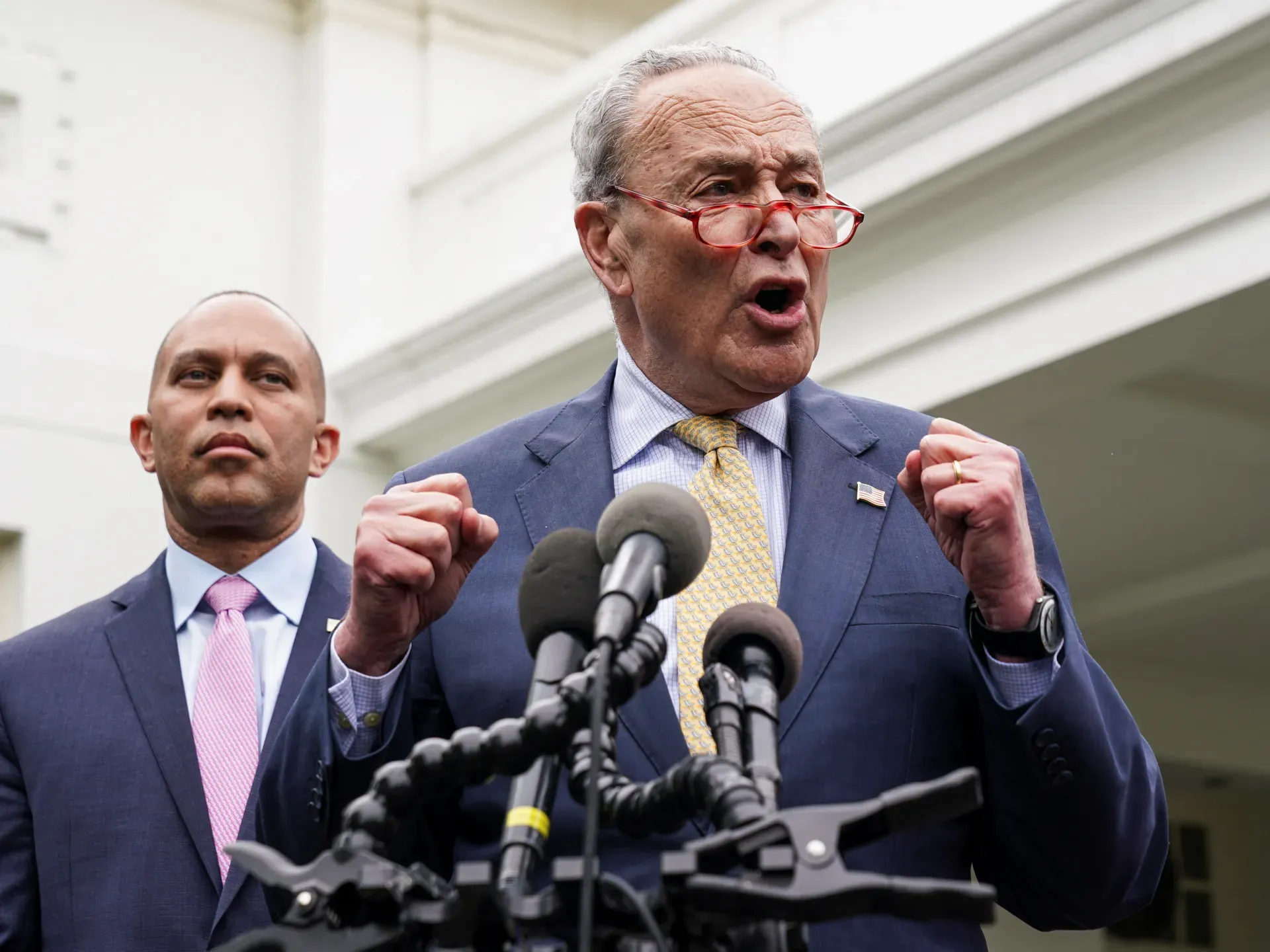
Democratic party policy shifts: How candidates are adapting for 2026
Democratic party policy shifts are becoming increasingly visible as the party prepares for the 2026 US midterm elections. Following the 2024 election of Donald Trump to a second term, candidates are reassessing their positions on highly contentious issues to regain voter trust. Significant changes are emerging regarding Israel's military actions in Gaza, transgender rights in sports, and border enforcement strategies. This article examines how the tension between moderate establishment figures and rising progressive populism is reshaping the Democratic platform across various battleground states.
October 27, 2026
6 min read
Source: ASHENVOW
Why are Democratic candidates changing their stances on Israel?
A significant realignment is occurring within the Democratic Party regarding its relationship with Israel, driven by shifting public opinion and intense pressure from younger voters. Following the conflict in Gaza, which has resulted in more than 74,000 Palestinian deaths since October 2023, American sentiment toward Israeli military operations has trended negatively. According to a Pew Research Center survey conducted earlier this year, 60 percent of US adults held an unfavourable view of Israel, a figure that climbs to 80 percent among Democrats.
This shift is reflected in the rhetoric of even long-standing supporters of the Israeli state. Senator Chris Coons of Delaware, a moderate who could potentially chair the Senate Foreign Relations Committee if Democrats reclaim the Senate, has signaled a desire for a "thorough reexamination" of the US-Israeli relationship. Coons has even expressed a willingness to consider sanctions against Prime Minister Benjamin Netanyahu, marking a notable departure from the more traditional party line.
Legislative actions also reflect this growing divide. Earlier this year, 40 Democratic senators supported a motion to disapprove proposed military sales to Israel, with only seven senators voting alongside Republicans to block the motion. However, the party remains internally conflicted. Senate Minority Leader Chuck Schumer has maintained that the American commitment to Israel's security and defense must remain "ironclad," suggesting that any significant policy overhaul would face stiff resistance from the party leadership.
How are transgender rights being addressed in midterm races?
In an effort to mitigate political vulnerabilities exposed during the 2024 election, several Democratic candidates in competitive House and Senate races are adopting more conservative positions on transgender rights, particularly concerning school sports. This tactical shift appears to be a direct response to Republican messaging that successfully targeted gender identity issues in previous cycles.
In several key states, candidates have moved to distance themselves from progressive stances on this issue:
- Ohio: Representative Marcy Kaptur has utilized advertisements stating that "boys should not play in girls' sports."
- North Carolina: Representative Don Davis released commercials emphasizing the need for "safe and fair" spaces for women and girls in athletics.
- South Carolina: Senate candidate Annie Davis, a medical professional, has explicitly voiced opposition to "biological men playing in women's sports."
This defensive maneuvering follows the impact of the 2024 campaign, where Republican advertisements successfully linked Kamala Harris to gender-neutral pronouns to alienate moderate voters. Despite these local shifts, the party's progressive wing remains defiant. During a recent town hall in Portland, Maine, Representative Alexandria Ocasio-Cortez criticized members of her own party who have retreated on these issues, calling such compromises "shameful" and arguing that any erosion of transgender rights threatens the rights of all citizens.
What is driving the shift in Democratic immigration policies?
The Democratic approach to immigration is currently being pulled in two different directions: toward moderate enforcement and toward progressive abolitionism. This tension arises from a perceived failure of the Biden administration to manage the border effectively, with US Customs and Border Protection (CBP) recording over 8 million encounters at the US-Mexico border between 2021 and 2025.
On one side, "border security Democrats" are attempting to reclaim the narrative from Republicans by advocating for stricter enforcement paired with reform. In Texas, Senate candidate James Talarico has positioned himself as a proponent of stronger border security. According to Lucas Holtz, a senior political adviser at the moderate organization Third Way, such proactive stances are necessary because the previous Harris campaign failed to maintain a firm line on border order, leading many voters to perceive the party as being too far to the left.
The Rise of the "Abolish ICE" Movement
While moderates move toward enforcement, a growing progressive movement is pushing for the complete dismantling of existing structures. This movement has gained momentum following high-profile incidents, such as the deaths of US citizens Renee Good and Alex Pretti during encounters with federal immigration agents in Minnesota. This has led to increased calls for the abolition or drastic overhaul of Immigration and Customs Enforcement (ICE), creating a significant ideological gap within the party's immigration platform.
What is the impact of progressive populism on the party?
The central tension defining the modern Democratic Party is the struggle between the established leadership and a rising tide of progressive populism. This movement, supported by organizations such as the Democratic Socialists of America, is demanding bolder, more transformative policies that go beyond the incrementalism of the party's moderate wing.
This internal friction is not merely theoretical; it is manifesting in how candidates run their campaigns and how they respond to the political reality of a second Trump term. While moderates attempt to appeal to the center by downplaying controversial social issues or emphasizing border security, progressives argue that such retreats represent a surrender of the party's core values. This struggle for identity will likely determine whether the party can build a unified front to challenge Republican control of Congress in the upcoming midterms.
FAQ: Democratic party policy shifts
How has the Democratic stance on Israel changed?
The stance has shifted toward greater scrutiny and calls for accountability. While leadership like Chuck Schumer maintains an "ironclad" commitment to Israel, more members, including Senator Chris Coons, are calling for a reexamination of the US-Israeli relationship and considering potential sanctions on Israeli leadership.
Why are some Democrats opposing transgender participation in sports?
Candidates in battleground states are adopting these positions to avoid the political backlash seen in 2024. By emphasizing "fairness" for women and girls in sports, they aim to appeal to moderate voters and prevent Republicans from using transgender rights as a wedge issue.
What are the different approaches to US immigration within the party?
There is a dual approach: moderates like James Talarico advocate for increased border security and order, while progressives are increasingly calling for the abolition of ICE and a total overhaul of the federal immigration enforcement system.
Is the Democratic Party unified on these policy shifts?
No, the party is deeply divided. There is a significant rift between the moderate establishment, which seeks to win back centrist voters, and the progressive wing, which views these shifts as a compromise of fundamental civil rights and values.
What role does the 2024 election play in these changes?
The 2024 election serves as a catalyst for reassessment. The defeat of Kamala Harris and the return of Donald Trump have forced Democratic candidates to analyze which issues—such as immigration and gender identity—contributed to their losses and how to adjust for the 2026 midterms.
Key takeaways
- Democratic views on Israel are shifting toward greater accountability due to high disapproval ratings among party members.
- Some candidates are adopting conservative stances on transgender rights in sports to appeal to moderate voters.
- Immigration policy is split between moderate "border security" Democrats and progressives advocating to abolish ICE.
- Progressive populism is creating deep ideological divisions between party leadership and grassroots movements.
The path toward the 2026 midterms
The Democratic Party finds itself at a critical crossroads as it navigates the complexities of the Trump era. The tactical shifts observed in candidate platforms—ranging from moderated stances on social issues to more assertive positions on foreign policy—reveal a party struggling to balance electoral viability with ideological integrity. As the 2026 midterms approach, the ability of the Democratic leadership to reconcile the demands of progressive populism with the necessity of winning over moderate and swing voters will be the decisive factor in their quest to reclaim congressional control.



