
New details on the Cumberland Island land swap proposal
The Cumberland Island land swap proposal by the National Park Service seeks to exchange federal land for private property owned by descendants of the Carnegie family. This plan aims to consolidate private ownership on the island's west side to allow the park to better protect sensitive Atlantic beachside and wilderness areas. The proposal has drawn more than 12,500 public comments and sparked significant debate regarding the scale of new construction and the potential privatization of public resources. Stakeholders remain divided over whether the exchange truly serves the long-term interests of the island's diverse ecosystems.
November 14, 2026
3 min read
Source: ASHENVOW
Controversy over development scale and privatization concerns
Conservation advocates have criticized the land swap, arguing that the scale of the allowed construction contradicts the goal of preserving the island's primitive state. Joseph Manning, an attorney with the Washington D.C.-based group Defenders of Wildlife, characterized the deal as a trade for "McMansions," citing the 15,000-square-foot allowance as excessive for modest homes. Manning further suggested that these land exchanges reflect a broader trend of the Trump Administration attempting to privatize public lands, similar to recent disputes in Grand Teton and Yosemite.
The debate centers on whether the exchange serves the public interest or benefits a narrow group of individuals. Manning argued that the underlying theme of recent land exchanges in national parks and refuges is a failure to expand public access, instead benefiting specific special interests or families. This perspective views the Cumberland Island proposal as a departure from the 1972 Congressional mandate that the seashore be "permanently preserved in its primitive state."
The Carnegie descendants' perspective on stewardship and history
Descendants of the Carnegie family defend the proposal as a means to preserve their multi-generational connection to the island. Barclay McFadden, a great-great-grandson of Thomas Carnegie, argued that the characterization of the family as "modern-day robber barons" is unfounded. McFadden noted that his family has acted as stewards of the land for five generations, including a decision in the 1970s to decline selling property to developers who intended to build a golf course.
For the family, the land swap is a practical necessity for maintaining their presence on the island for future generations. McFadden stated that the proposal would allow younger members of the family to build homes, ensuring the continuity of a family that maintains a private cemetery on the island. He described the location as a "sacred place" for his descendants.
Comparing the Carnegie family's historical role and current claims
The family's relationship with the island is complex, involving both the preservation of Gilded Age legacies and the management of historical sites. While some descendants have donated property to the NPS, others, like the family involved in the swap, seek to retain specific parcels for residential use. The following table outlines the different facets of the Carnegie presence on the island mentioned in the report:
Cultural history and the responsibility of preservation
The land swap also intersects with the island's diverse cultural history, which includes Native American relics, Spanish missions, and the remains of ante-bellum plantations. Jamie Ferguson, a Carnegie descendant and unofficial family historian, noted that the family is an inseparable part of the island's cultural narrative. Ferguson pointed to "The Chimneys"—a site containing the remnants of roughly two dozen brick and tabby chimneys where enslaved people lived on a pre-Carnegie cotton plantation—as a critical historical monument.
Ferguson suggested that the land swap could potentially improve visitor access to such historical sites. He argued that being part of the island's history carries a responsibility to preserve it. While the family's history is tied to the opulent homes built by Thomas and Lucy Carnegie, the island's narrative also encompasses the lives of those who worked the land long before the Gilded Age industrialist arrived.
Ecological diversity and the impact on local residents
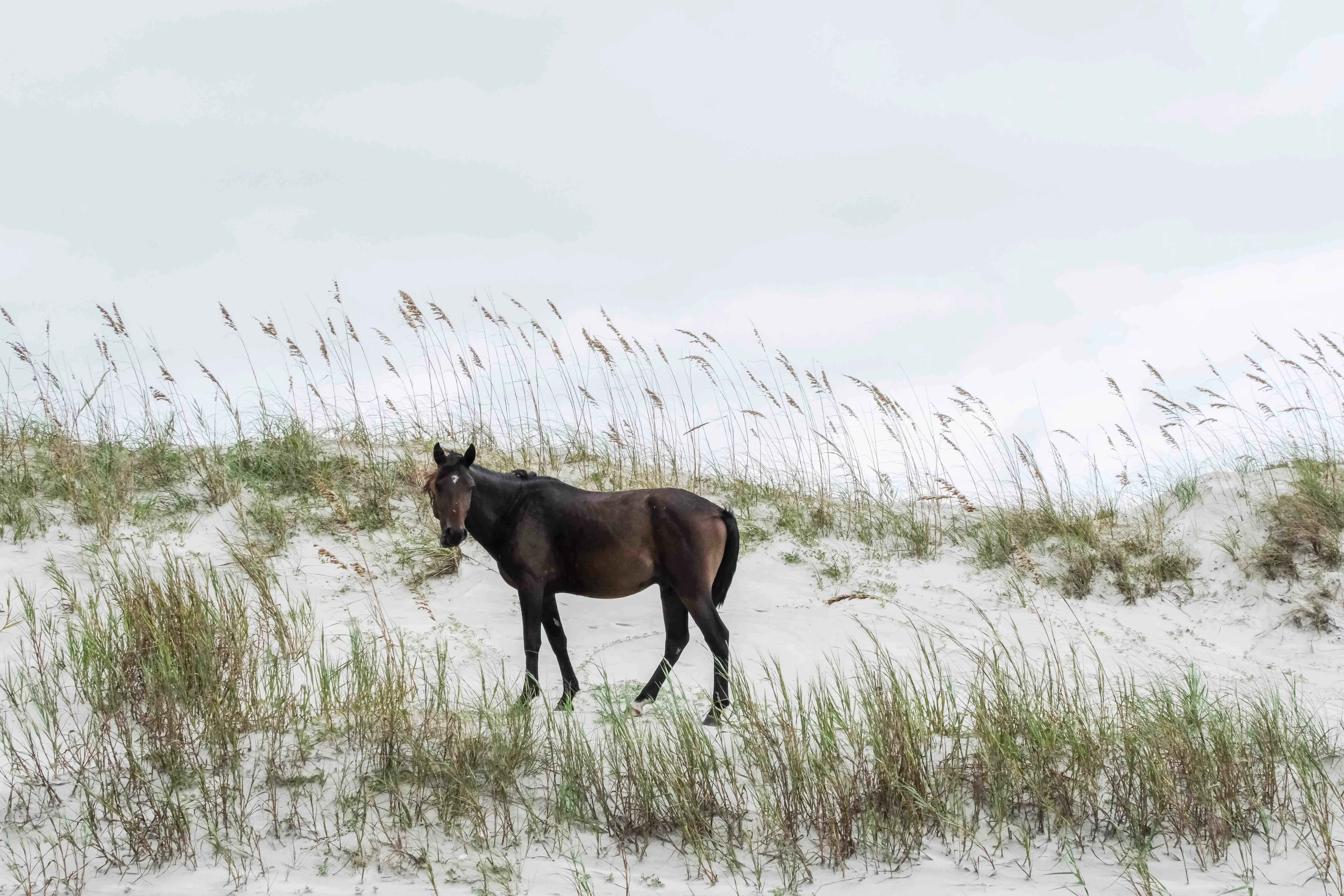
Beyond the political and historical debates, the proposal affects the ecological integrity of one of the Atlantic coast's largest barrier islands. Cumberland Island is home to diverse wildlife, including wild horses, feral hogs, deer, and wood storks, as well as sensitive maritime forests and salt marshes. Long-term residents, such as naturalist Carol Ruckdeschel, who has lived on the island for over 50 years, continue to monitor the ecosystem, including searching for stranded sea turtles and new nests.
The tension remains between the desire to protect this pristine environment and the legal and historical claims of private landowners. As the National Park Service moves forward with the proposal, the balance between consolidating federal control and accommodating private heritage continues to be the central point of contention for the 12,500 individuals who have engaged with the public comment process.
| Entity/Site | Status/Role | Connection to Carnegie Family |
|---|---|---|
| Greyfield Inn | Island's only hotel | Co-owned and operated by descendants (including Jamie Ferguson) |
| Plum Orchard Mansion | NPS-managed cultural site | Donated by the Carnegie family to the National Park Service |
| Family Cemetery | Private burial ground | Maintained by the Carnegie descendants |
| The Chimneys | Historical site of enslaved workers | Pre-dates Carnegie ownership; part of island's cultural history |



