
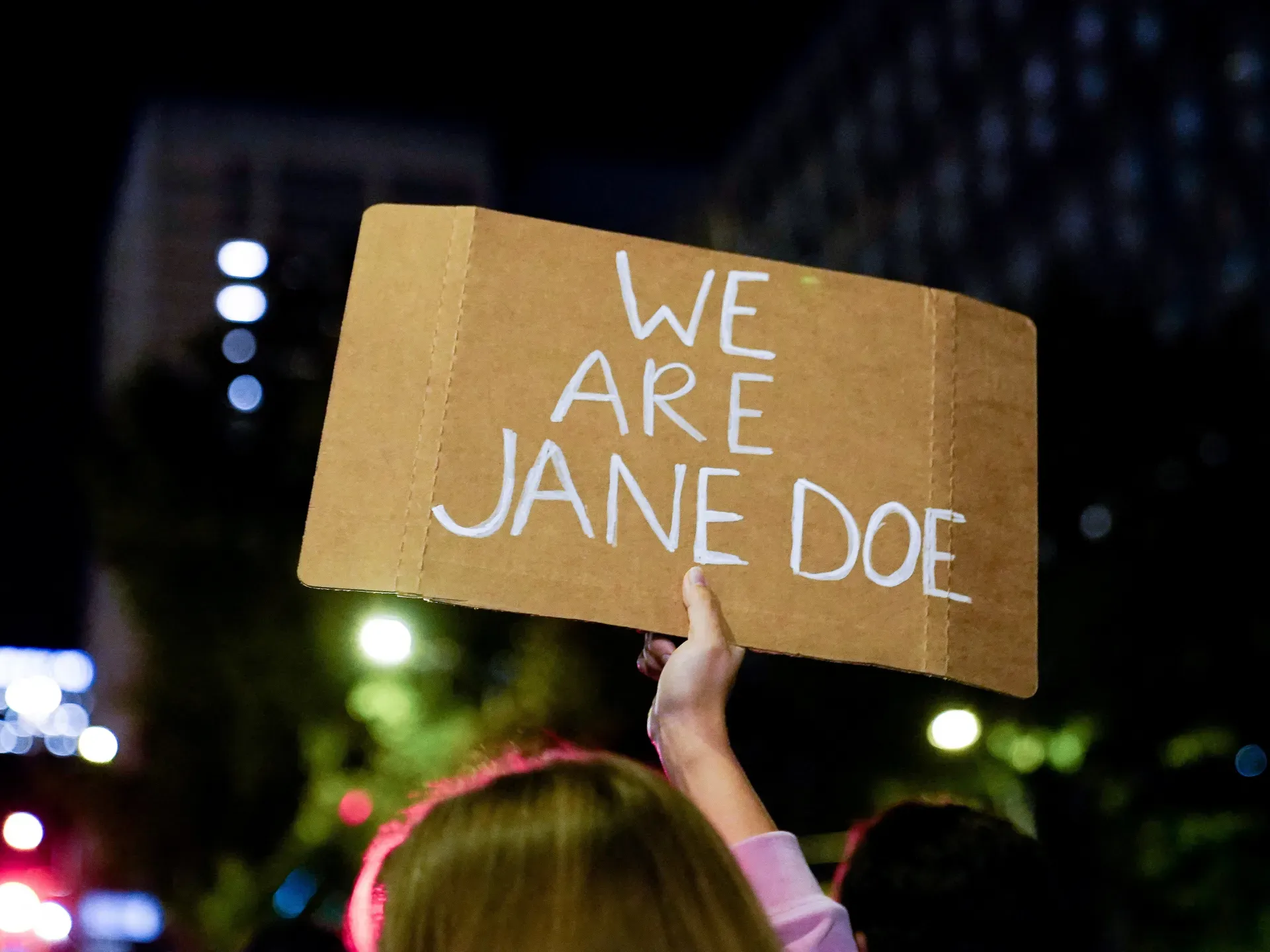
Cornell no-confidence vote: Faculty challenge administration
The Cornell no-confidence vote began on October 29, 2026, as faculty members seek to express dissatisfaction with the university's administration. This non-binding initiative follows intense scrutiny regarding the university's response to an alleged gang rape involving seven male students at a fraternity house in 2024. The vote, which is expected to continue until November 6, targets the leadership of President Michael Kotlikoff. This article examines the details of the Jane Doe case, the faculty's demands for accountability, and the legal complexities surrounding the criminal investigation.
November 8, 2026
6 min read
Source: ASHENVOW
Why is a no-confidence vote being held at Cornell?
The Cornell no-confidence vote was initiated by faculty members in response to the university's handling of an alleged gang rape involving multiple students. While the vote itself is non-binding, it serves as a formal mechanism for the faculty to signal whether they believe President Michael Kotlikoff has lost the trust required to lead the institution. The movement gained significant momentum following a lawsuit filed last month, which details a harrowing incident from 2024.
According to the lead faculty sponsor of the resolution, Paul Ortiz, the initiative was driven by widespread feedback from the campus community. Ortiz stated that hundreds of students, staff, faculty, and alumni contacted the sponsors to express that the "Jane Doe case is but the tip of the iceberg." This sentiment suggests that the current controversy is viewed not as an isolated incident, but as symptomatic of deeper, systemic issues within the university's culture and its administrative response to sexual violence.
The role of faculty in institutional oversight
Faculty members are increasingly using no-confidence votes to demand transparency and accountability in higher education. At Cornell, the debate over whether to proceed with the vote was intense. On Wednesday, faculty members deliberated on whether to postpone the process. While some members advocated for patience to allow for further investigation, others argued that the vote was an essential tool to combat institutional reluctance to address sexual assault with the necessary urgency.
What are the details of the Jane Doe case?
The Jane Doe case refers to a lawsuit alleging that a female student was drugged and gang raped by seven male students at a fraternity house in 2024. The allegations have sparked a massive outcry, leading to increased scrutiny of fraternity culture and the university's disciplinary procedures. The case has become a focal point for discussions regarding campus safety and the protection of students from predatory behavior.
The university's initial response included shutting down the fraternity involved and suspending the male students accused in the incident. Of those students, two were subsequently expelled. However, the core of the current controversy lies in whether the university acted with sufficient speed or if it attempted to downplay the severity of the abuse to protect its institutional reputation. This perceived lack of urgency is a primary driver behind the faculty's push for leadership changes.
How has President Michael Kotlikoff responded to the outcry?
President Michael Kotlikoff has publicly expressed regret and attempted to outline the university's preliminary responses to the scandal. In a statement released earlier this month, Kotlikoff addressed the harm caused by the incident, stating, "I am deeply sorry for the harm Jane Doe suffered in 2024, and appalled that this act of sexual violence occurred within our Cornell community."
Despite these apologies, the administration faces significant criticism regarding its leadership during the crisis. A group of 20 female faculty members from the science and engineering departments escalated the pressure by sending a letter to the university trustees. In their communication, they called for Kotlikoff's resignation, claiming that the community required clear leadership but instead encountered a "leadership vacuum." This direct challenge from high-level academics highlights the depth of the rift between the administration and the teaching staff.
Administrative measures and external reviews
To manage the fallout, Cornell has taken steps to involve external oversight. The university has named Sally Yates to review the institutional response to the rape case. This move is intended to provide a layer of objectivity to the investigation of how the university handled the initial reports and subsequent disciplinary actions. However, for many faculty and students, these measures may come too late to restore confidence in the current administration.
What is the status of the legal and criminal investigations?
The legal landscape surrounding the Cornell case is complicated by a renewed criminal probe overseen by New York Attorney General Letitia James. This investigation aims to address the criminal aspects of the alleged gang rape, moving beyond the university's internal disciplinary measures. The involvement of the Attorney General's office has added a layer of state-level scrutiny to the campus controversy.
The investigation has also faced procedural challenges from the accused. Two of the men implicated in the alleged rape have sought the removal of Attorney General Letitia James from the probe. Their challenge is based on social media posts made by the Attorney General, which they claim showed support for the accuser prior to her official appointment to the case. They argue that these expressions of support compromise her impartiality.
The judicial response to these challenges has been skeptical. On Thursday, a judge expressed doubt regarding the merits of the attempt to remove James. Meanwhile, the Attorney General's office has dismissed the challenges as being "without merit." As the criminal probe continues, the intersection of campus disciplinary actions, civil lawsuits, and state criminal investigations remains a central component of the ongoing crisis at Cornell.
Frequently asked questions
What is the purpose of a no-confidence vote in a university?
A no-confidence vote is a formal expression by a faculty body indicating that they no longer support the leadership of a university official, such as a president. While the result is typically non-binding, it carries significant symbolic weight and can pressure boards of trustees to take corrective action or seek new leadership.
When will the Cornell faculty vote be completed?
The faculty members at Cornell University began the no-confidence vote on Thursday, October 29, 2026. According to the current schedule, the voting process is expected to continue until Friday, November 6, 2026, at which point the results will be determined.
Who is the lead sponsor of the Cornell resolution?
Paul Ortiz is the lead faculty sponsor of the no-confidence resolution at Cornell University. He has been a primary voice for the faculty, emphasizing that the concerns raised by the community extend beyond the specific Jane Doe case to broader institutional issues.
Has President Kotlikoff faced calls for resignation?
Yes, President Michael Kotlikoff has faced direct calls for resignation. Specifically, a group of 20 female faculty members from the science and engineering departments wrote to the university trustees demanding his departure, citing a "leadership vacuum" in the wake of the sexual assault allegations.
What happened to the students accused in the 2024 case?
Following the allegations, the university took disciplinary action by shutting down the fraternity involved and suspending the male students. According to reports, two of the students involved in the alleged gang rape have since been expelled from the university.
Key takeaways
- The Cornell no-confidence vote is expected to conclude on November 6, 2026.
- Faculty are protesting the university's perceived failure to act urgently regarding a 2024 gang rape allegation.
- President Michael Kotlikoff faces calls for resignation from science and engineering faculty.
- New York Attorney General Letitia James is overseeing a renewed criminal probe into the case.
The ongoing struggle for institutional accountability
The situation at Cornell University represents a critical moment for higher education governance. The no-confidence vote is not merely a reaction to a single criminal allegation, but a broader critique of how large institutions manage sexual violence and protect their reputations. As the faculty vote concludes and the criminal probe by the New York Attorney General continues, the university remains under intense scrutiny. The outcome will likely influence how other academic institutions approach student safety, fraternity culture, and the transparency of administrative responses to sexual assault.



