
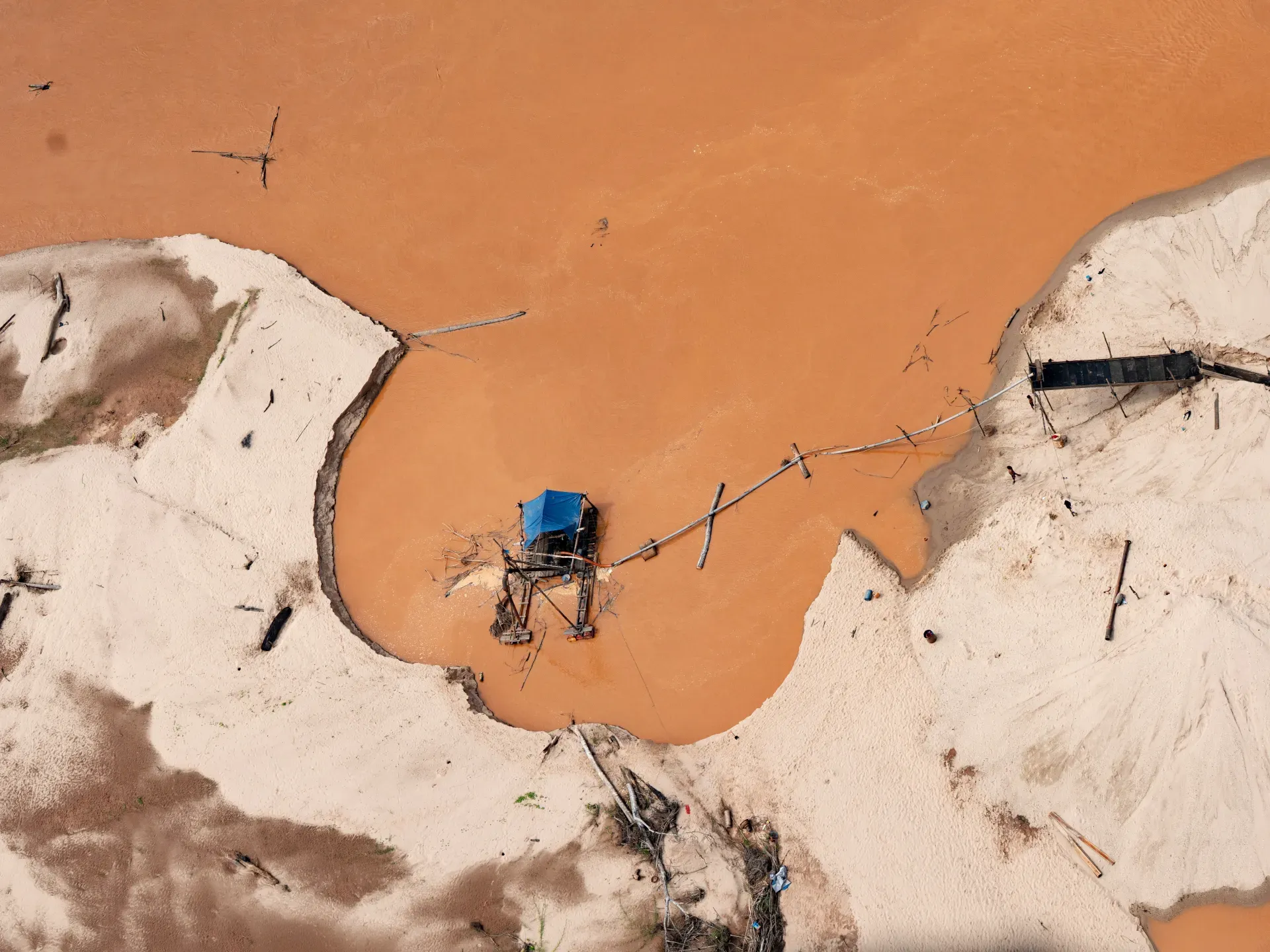
Colombia illegal gold mine collapse kills 14 people
A Colombia illegal gold mine collapse in the southwestern department of Narino has resulted in at least 14 fatalities and seven injuries. The disaster occurred in the rural Chambero sector of the Santa Barbara de Iscuande municipality, highlighting the extreme dangers of unregulated mining operations. While search and rescue efforts have officially concluded, several miners remain missing as authorities struggle with difficult local geography and communication barriers. This report examines the details of the tragedy and the broader context of mining safety in the region.
October 27, 2026
3 min read
Source: ASHENVOW
Casualties and missing persons in the Chambero sector
Fourteen people were confirmed dead following the structural failure of an illegal gold mine in the Chambero sector of Santa Barbara de Iscuande. According to local authorities on October 19, 2026, the incident also left seven other individuals injured. The scale of the tragedy is expected to grow as officials attempt to account for all workers present at the site during the collapse.
Jorge Tovar Castillo, a disaster response official in Narino, reported that between 12 and 15 miners are currently listed as missing. The difficulty in locating these individuals is compounded by the remote nature of the site. While municipal authorities are managing the immediate response, officials have noted that communication in the area remains a significant obstacle to coordinating rescue and recovery efforts.
Geographic challenges in Narino's rural municipalities
The Santa Barbara de Iscuande municipality presents extreme logistical hurdles for emergency responders due to its isolation. Surrounded by dense rainforest, the region is largely inaccessible by standard road networks. According to local reports, the area can only be reached via small aircraft or by boat, which significantly slows the deployment of heavy equipment and medical supplies.
These geographic barriers create a vacuum of oversight and rapid response capability. In such environments, even minor accidents can escalate into major disasters because the time required to reach a site often exceeds the critical window for life-saving interventions. The reliance on river and air transport makes the management of such crises highly dependent on weather conditions and limited local infrastructure.
The systemic risks of unregulated mining in Colombia
Informal and unregulated mining remains a pervasive issue in the rural territories of Colombia, frequently leading to fatal structural failures. These operations typically function without the oversight of safety inspectors or the implementation of required engineering standards. Consequently, the lack of adequate safety infrastructure makes these mines highly susceptible to collapses.
The recurrence of such events is a growing concern for the department of Narino. In August 2026, a similar mining accident in the municipality of Policarpa resulted in the deaths of 13 people. Narino Governor Luis Alfonso Escobar emphasized that the current priority is to assist the families of the victims and ensure an appropriate response to the tragedy. The frequency of these accidents underscores the ongoing struggle to regulate the informal gold mining sector in remote rainforest regions.
Frequently Asked Questions
How many people died in the Colombia illegal gold mine collapse?
Fourteen people have been confirmed dead following the collapse of an illegal gold mine in the Chambero sector. This figure is part of a growing toll in the Narino department, where unregulated mining operations frequently result in significant loss of life due to a lack of safety protocols.
Are there still people missing after the mining accident?
Yes, disaster response official Jorge Tovar Castillo stated that between 12 and 15 miners are reported as missing. Search and rescue operations have concluded, but the recovery of these individuals remains a primary concern for local authorities despite the difficulties posed by the remote location.
Why is it difficult to reach the accident site in Santa Barbara de Iscuande?
The municipality is located in a region of dense rainforest that lacks standard road access. According to local reports, the only ways to access the Chambero sector are through small aircraft or by boat, which complicates both communication and the delivery of emergency services.



