
Chile fuel price protests disrupt logistics as diesel costs rise
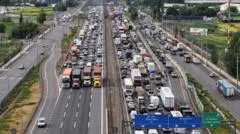
Chile fuel price protests have paralyzed major transport routes as bus and lorry drivers stage nationwide blockades. The demonstrations, driven by a massive surge in diesel costs, aim to force the government to address the economic strain on the logistics sector. Drivers are demanding immediate relief as fuel expenses continue to climb, threatening the country's ability to maintain normal commercial activity and export flows. This sudden disruption has left many commuters stranded and has significantly slowed the movement of essential goods across the country's primary arterial highways.
November 18, 2026
3 min read
Source: ASHENVOW
Nationwide blockades target major transport corridors
Hundreds of transport workers began blocking roads and highways across Chile on Tuesday, utilizing convoys of buses and lorries to halt traffic along the country's primary routes. The movement is being driven by two main entities: the No+TAG civic protest movement and the Fuerza del Norte trade union. The latter holds significant influence within the sector, representing approximately 80% of Chile's lorry drivers.
The disruption has caused significant logistical bottlenecks. As the protests move through major transit points, the impact on the movement of goods is becoming increasingly visible. The primary grievance centers on the volatility of diesel prices, which transport professionals claim has rendered their current operating models unsustainable.
Diesel costs surge 74% amid geopolitical instability
The economic driver behind the unrest is a dramatic spike in fuel expenses. According to industry groups, the average price of diesel in Chile has risen 74% since March. This surge is being attributed to the ongoing war in Iran, which has destabilized energy markets and increased costs for fuel importers.
The financial impact on individual operators is severe. For many, the cost of fuel now exceeds the revenue generated from transport services. The following table outlines the economic pressures reported by industry representatives:
Juan Cornejo, the president of the Association of Intercity Bus Owners—which represents 14 mid-sized companies—stated to AFP that the sector has reached its limit, noting that companies have been working with negative numbers for more than a month.
Negotiations stall between unions and government
Attempts to resolve the standoff through official channels have so far been unsuccessful. Following the breakdown of talks on Tuesday, representatives from the protest movements expressed deep skepticism regarding the government's willingness to provide meaningful solutions.
"There is no point of agreement with the government that could offer any perspective to find solutions for everyone," stated Andrés Alarcón, a spokesman for the No+TAG movement. He confirmed that the strike would continue following the failed discussions. While a follow-up meeting is expected to take place on Wednesday, the immediate outlook remains tense.
Government response and economic warnings
The administration of President José Antonio Kast is facing mounting pressure as the protests continue. Economy Minister Daniel Mas has called for further dialogue to resolve the impasse, but he has also issued a stern warning regarding the continued blockage of infrastructure.
Mas emphasized the necessity of restoring order to protect the national economy. "At some point, we will have to clear the highways," the Minister stated, adding that the protests are actively impacting economic activity and the country's export capabilities. He stressed the urgent need to "get the country moving again."
The human cost of rising operational expenses
Beyond the macro-economic figures, the protests reflect a crisis of viability for individual drivers. The rapid increase in diesel costs has created a situation where many workers are essentially subsidizing their clients to maintain their contracts.
Claudio Elguezabal, a 47-year-old lorry driver participating in protests near the capital, Santiago, described the current environment as unsustainable. Speaking to AFP, Elguezabal noted that he is currently making no profit. In some instances, he stated, drivers are forced to use their own personal money to cover the costs of servicing clients.
| Stakeholder Group | Reported Economic Impact |
|---|---|
| Intercity Bus Owners | Operating with negative numbers for over a month |
| Individual Lorry Drivers | Zero profit; occasional personal spending to cover client costs |
| National Economy | Disruption to exports and general economic activity |



