
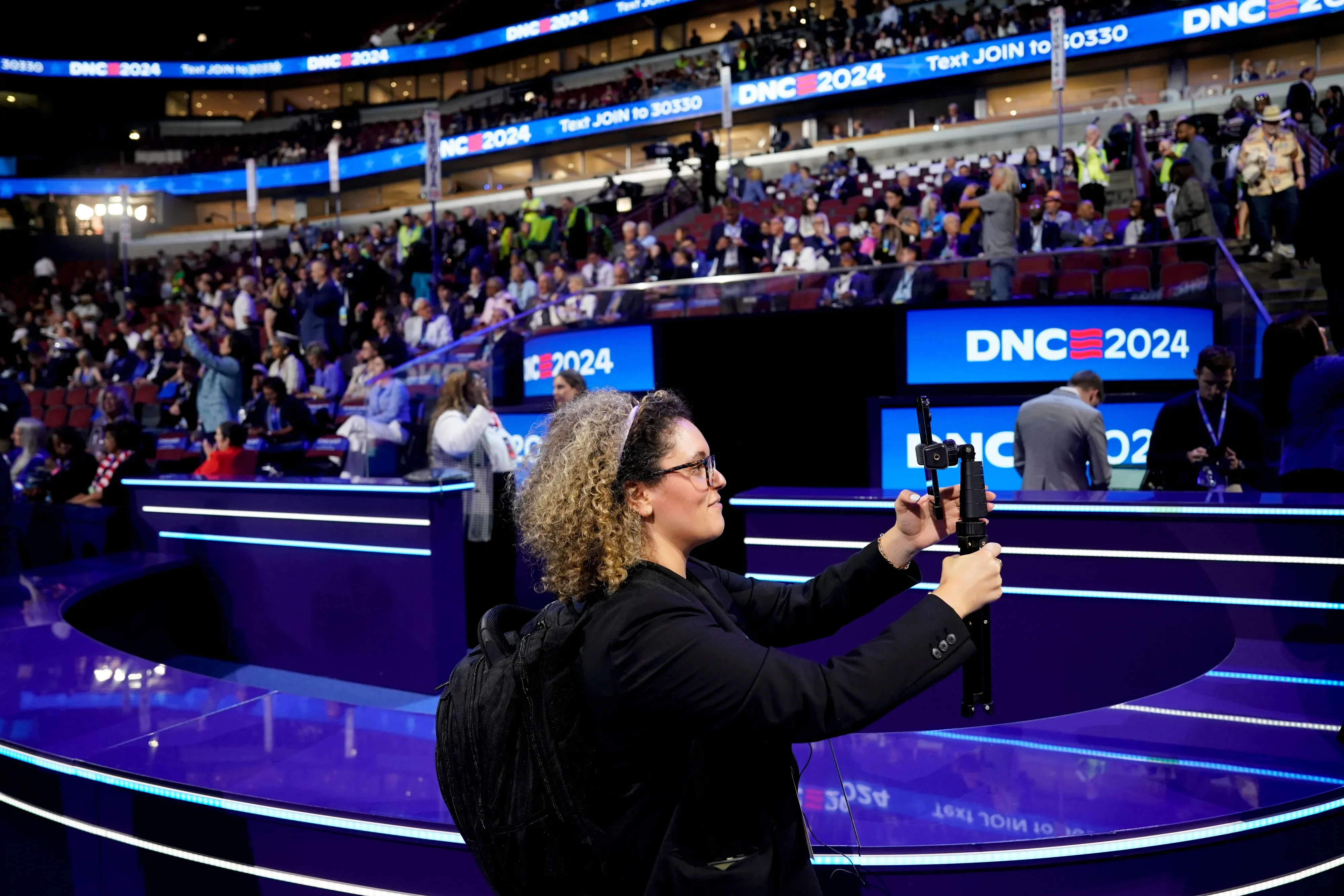
How campaigns investing in creators shape 2026 midterms
Campaigns investing in creators has become a central pillar of modern political strategy as the 2026 midterm elections unfold. Political organizations and candidates are increasingly allocating budgets to partner with online personalities to reach highly engaged, non-traditional audiences. According to a September 2026 Morning Consult survey, 26% of U.S. adults stated that creator posts influenced their voting choices, while 56% said such content affected their views on social issues. This shift moves political messaging from traditional broadcasts into the daily social media scrolls of millions. This article examines the mechanics of these partnerships, the financial structures behind them, and the challenges of transparency for voters.
November 8, 2026
6 min read
Source: ASHENVOW
Why are campaigns investing in creators for the 2026 midterms?
Campaigns are turning to digital creators because they provide direct access to highly engaged audiences that traditional political advertising often fails to reach. While some followers seek out political commentary, many others encounter political messages through unrelated content, such as comedy, beauty tutorials, or gaming livestreams. This integration allows political messaging to bypass the 'filter bubble' of traditional news consumers.
The data suggests this strategy is not merely experimental but a response to changing consumption habits. According to a 2025 Pew Research Center survey, 21% of U.S. adults regularly receive news from influencers, a figure that climbs to 38% among adults aged 18 to 29. Crucially, for 69% of these regular consumers, the news appears organically in their feeds rather than through active searching. This passive consumption makes the creator's platform a powerful tool for agenda-setting.
The impact of creator influence on voter behavior
The influence of social media personalities extends beyond simple awareness to actual behavioral shifts in the electorate. A September 2026 survey by Morning Consult highlighted that over half of U.S. adults (56%) felt creator content shaped their perspectives on social and political issues. More significantly, 26% of respondents reported that influencer posts directly impacted their final voting decisions. This demonstrates that creators are no longer just entertainers; they are active participants in the political ecosystem, capable of moving the needle on undecided voters.
How do different types of creator partnerships function?
Political engagement through creators manifests in several distinct formats, ranging from nonpartisan civic reminders to explicit candidate endorsements. These partnerships can be broadly categorized into advocacy-led initiatives, independent commentary, and direct campaign collaborations.
- Nonpartisan Advocacy: Organizations like When We All Vote, YALLvote, and Gen-Z for Change work with creators to promote civic duties. For example, the 'Voting Squad' initiative uses beauty creators to integrate voter registration reminders into 'Get Ready With Me' (GRWM) videos, making civic engagement a seamless part of lifestyle content.
- Independent Commentary: Creators like Hasan Piker or Harry Sisson build audiences around political analysis. While these creators may not be paid directly by a campaign, their platforms serve as vital hubs for political discussion and mobilization.
- Candidate Interviews: High-profile appearances on popular podcasts or livestreams allow candidates to reach new demographics. Notable examples include Donald Trump appearing on The Joe Rogan Experience and Kamala Harris joining Alex Cooper's Call Her Daddy.
These varied approaches allow political messages to permeate different corners of the internet, from the high-energy atmosphere of Twitch livestreams to the aesthetic-focused world of Instagram and TikTok.
What is the financial reality of political influencer marketing?
The financial structures supporting political content are complex, involving direct campaign payments, nonprofit stipends, and independent revenue. Understanding the source of funding is essential for voters attempting to distinguish between organic opinion and paid advocacy.
Direct campaign spending on influencers can involve significant sums. During the California gubernatorial primary, the campaign for Katie Porter reportedly paid lifestyle creator Avery Cyrus $25,000 for a single TikTok post. Similarly, Tom Steyer’s campaign was reported by the New York Times in August to have paid 17 different influencers at least $5,000 each. While these figures may seem high, proponents like Steyer argue that such payments are standard compensation for the professional work and time required of creators, much like payments to political consultants.
The role of nonprofit support and stipends
Beyond direct campaign spending, nonprofit organizations are playing a growing role by providing sustained support to creators. Chorus, a progressive nonprofit, provides monthly stipends to creators to help them grow their platforms and produce informed political content. Unlike direct campaign hires, these organizations often emphasize creator autonomy. For instance, Leigh McGowan, a co-founder of Chorus, noted that while the organization provides research and training, it does not review or approve specific posts or mandate candidate endorsements. This model aims to build a sustainable infrastructure for progressive digital voices without the transactional nature of a single-campaign contract.
What challenges does this create for voter transparency?
The primary challenge for voters is the increasing difficulty in distinguishing between compensated political coordination and organic content. As political messaging becomes more integrated into lifestyle content, the lines between a creator's genuine belief and a paid promotion become blurred.
A report from the Center for Democracy & Technology (CDT) has highlighted the opaque nature of these relationships. The research suggests that financial ties between agencies, creators, and political groups are often difficult to trace, making it hard for the public to identify when a creator is acting as a paid surrogate. This lack of clarity is not limited to traditional political campaigns; it also extends to influence operations involving betting platforms and social media influencers spreading unverified claims about election integrity.
The difficulty of tracing digital influence
The complexity of the digital advertising ecosystem means that even with regulation, transparency remains elusive. The CDT research notes that a creator's existing political leanings do not necessarily indicate whether a specific post is part of a paid arrangement. This creates a landscape where voters must navigate a mix of genuine grassroots enthusiasm and highly polished, paid-for messaging. Without clear, standardized disclosure requirements that are easy for the average user to identify, the ability to hold political actors accountable for their digital influence remains limited.
Frequently asked questions
Does a candidate appearing on a podcast mean the host is paid?
Not necessarily. A guest appearance or an interview does not automatically establish a paid relationship between a campaign and a creator. While some appearances are part of coordinated outreach, others are simply opportunities for candidates to reach new audiences through established media personalities.
How do nonpartisan groups use influencers?
Nonpartisan groups use influencers to promote civic engagement, such as voter registration and polling station awareness. They often partner with creators in non-political niches, like beauty or gardening, to weave voting reminders into everyday content, making the message feel more natural and less intrusive.
Are influencer payments to political campaigns legal?
Yes, campaigns are permitted to pay creators for content, provided the expenditures are properly reported according to election laws. These payments are generally treated as professional services or advertising expenses, similar to how a campaign would pay a traditional media agency or consultant.
Can creators maintain independence while receiving nonprofit funding?
Many nonprofit organizations, such as Chorus, explicitly structure their support to allow for creator independence. They provide resources like research and stipends to support the creator's platform growth but typically do not mandate specific endorsements or exercise editorial control over the content produced.
Why is it hard to tell if a post is a paid political ad?
It is difficult because political messaging is often integrated into organic-looking content, such as a 'Get Ready With Me' video or a casual podcast chat. The lack of standardized, highly visible disclosure for all forms of digital political advocacy makes it challenging for viewers to identify paid coordination.
Key takeaways
- Campaigns are increasingly using creators to reach the 38% of young adults who get news from influencers.
- A 2026 survey found 26% of U.S. adults were influenced by creators to vote for specific candidates.
- Political influencer partnerships range from nonpartisan voter registration to high-cost paid campaign posts.
- Nonprofit stipends are being used to build long-term political capacity among digital creators.
- The Center for Democracy & Technology warns that financial ties in influencer politics are often opaque.
Conclusion
The integration of creators into political campaigning represents a fundamental shift in how democratic engagement occurs in the digital age. By moving beyond traditional news cycles, campaigns can reach voters through the content they already consume and trust. However, this evolution brings significant challenges regarding transparency and the ability of the electorate to distinguish between authentic advocacy and paid influence. As the 2026 midterms demonstrate, the ability to navigate this complex landscape of digital influence will be a critical skill for voters seeking to understand the true drivers of political discourse.



