
California voting case: Court blocks Trump administration
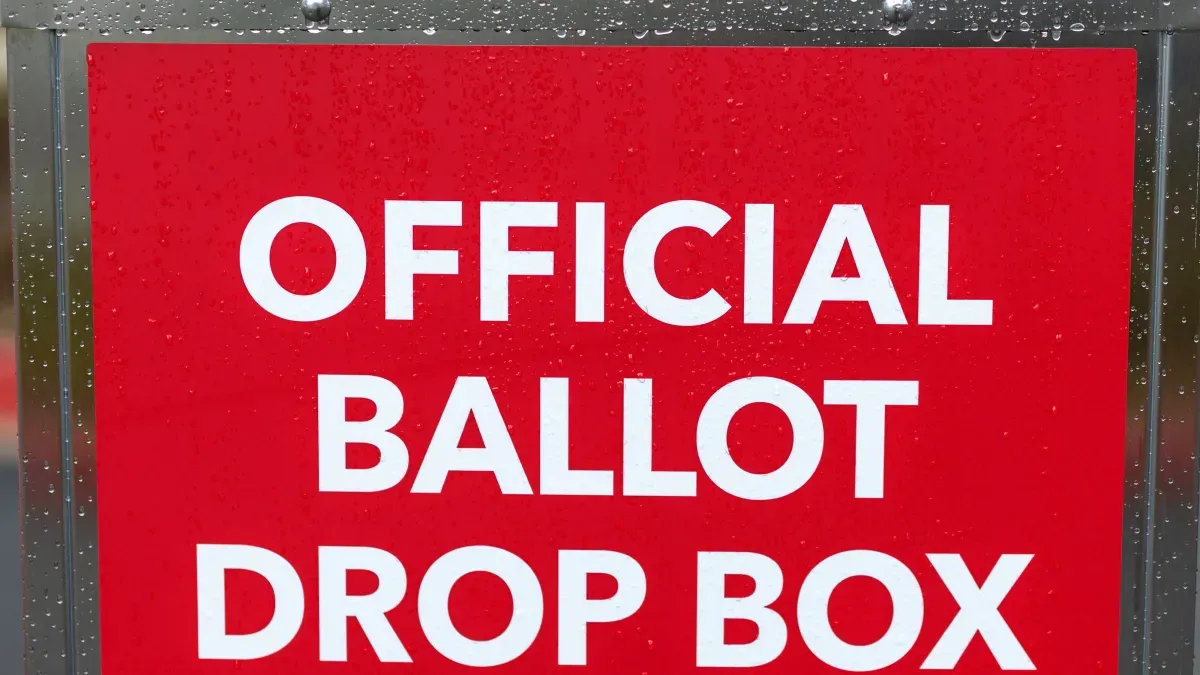
The California voting case has reached a critical juncture as a US appeals court ruled against the Trump administration's attempt to halt the counting of specific ballots. On Monday, the 9th US Circuit Court of Appeals denied a federal request to sequester approximately 20,000 mail-in ballots ahead of the November 3 midterm elections. The administration argued these ballots were sent to individuals likely to be non-citizens, but the court found insufficient grounds to interfere with state-led election processes. This ruling comes as the US prepares for midterms that could shift control of Congress. This article examines the legal reasoning behind the decision and the broader context of election integrity disputes.
October 27, 2026
6 min read
Source: ASHENVOW
Why did the appeals court rule against the Trump administration?
The 9th US Circuit Court of Appeals denied the federal government's request primarily because the administration failed to provide sufficient time for lower courts to review the legal merits of the case. In a two-to-one decision, the court determined that the expedited request did not justify overriding the standard judicial process, especially given the proximity to the November 3 midterm election.
Beyond the procedural timing, the court addressed the constitutional division of power regarding election management. The majority opinion emphasized that the administration of elections is a responsibility held by the states under the US Constitution. By attempting to intervene, the federal government was essentially asking the judiciary to permit interference in a matter that belongs to state legislatures.
The judicial reasoning of Judge Gabriel Sanchez
Judge Gabriel Sanchez, writing for the majority, highlighted the danger of federal overreach into state-managed elections. He noted that the Trump administration was requesting the federal court to dictate terms to a state legislature regarding a subject that falls squarely within the state’s traditional domain. Furthermore, Sanchez issued a warning that granting such a petition would likely result in "inviting disorder and confusion for voters and election officials alike." This perspective suggests that the court prioritized the stability of the electoral process over the administration's immediate concerns.
What are the claims regarding non-citizen voting in California?
The Trump administration asserted that roughly 20,000 mail-in ballots were sent to individuals who are "likely" non-citizens. This claim serves as the foundation for the administration's legal effort to sequester these specific ballots before they can be tabulated during the current election cycle. However, the administration has not provided public evidence or a disclosed methodology explaining how it identified these specific voters or how it determined their citizenship status.
California state officials have responded to these allegations with significant skepticism. Lawyers representing California Secretary of State Shirley Weber characterized the litigation as a "reckless political stunt" at best, and a threat to disenfranchise thousands of voters at worst. The state maintains that the administration's claims lack substantive proof and are instead aimed at interfering with the democratic process in a Democrat-led state.
How frequent is non-citizen voting in the United States?
Despite the administration's focus on the issue, historical data suggests that instances of non-citizens participating in federal elections are extremely rare. While non-citizens are legally barred from voting in federal elections across all 50 states, actual prosecutions for such acts do not reflect a widespread phenomenon of fraud.
According to an investigation by Reuters in July, only 129 cases of non-citizens being charged by federal authorities with illegal voting have been recorded since 1996. It is also important to distinguish between intentional fraud and administrative errors. Many of the documented cases involved individuals who were uncertain of the specific voting rules or were the victims of clerical mistakes rather than being part of a coordinated effort to subvert election results.
What is the broader impact of the administration's legal strategy?
The California case is part of a much larger legal campaign by the Department of Justice, which has filed lawsuits in 30 states and Washington, DC. These lawsuits seek complete access to voter rolls, including sensitive personal data, under the premise that such access is necessary to prevent voter fraud. However, the administration has faced significant setbacks in this endeavor.
To date, the Trump administration has lost 26 of these 30 cases. Opponents in these legal battles have successfully argued that the federal government's attempts to access sensitive data could intimidate legitimate voters and disrupt the ability of states to manage their own election administrations. The recurring losses suggest a judicial trend of upholding state autonomy against federal attempts to centralize voter roll oversight.
The tension between federal oversight and state autonomy
The conflict highlights a fundamental tension in American governance: the balance between federal interest in national election integrity and the constitutional right of states to run their own elections. The administration argues that federal oversight is a necessary safeguard against potential fraud, while state officials and voting rights advocates argue that these maneuvers are often used to create confusion and suppress voter turnout. This tension is particularly acute during midterm elections, where the stakes for control of the House of Representatives and the Senate are exceptionally high.
What are the stakes for the 2026 midterm elections?
The midterm elections scheduled for November 3 are critical for the political landscape of the United States, as they will determine which party holds the balance of power in Congress. Currently, the Republican Party holds slim majorities in both the House of Representatives and the Senate. However, political experts project that the Democratic Party is positioned to make significant gains, potentially flipping one or both chambers.
Because of these high stakes, the legal battles surrounding voter eligibility and ballot tabulation are viewed through a highly partisan lens. The Trump administration has framed the potential for non-citizen voting as a direct threat to the integrity of these elections. Conversely, critics argue that the administration's focus on these claims is a strategy to influence the outcome in states where the political shift could impact the national balance of power.
FAQ: California voting case
Why did the court deny the request to sequester ballots?
The court denied the request because the Trump administration did not provide enough time for lower courts to conduct a proper review. Additionally, the judges ruled that election administration is a state responsibility under the US Constitution, and federal intervention could cause voter confusion.
How many ballots were at the center of the dispute?
The Trump administration sought to sequester approximately 20,000 mail-in ballots in California. The administration claimed these ballots were likely sent to non-citizens, though they have not publicly released the data or methods used to identify these specific individuals.
Has the administration been successful in similar lawsuits?
No, the Trump administration has not won any of the 30 lawsuits it has filed against states and Washington, DC, regarding access to voter rolls. So far, the administration has lost 26 of these cases, with courts often siding with state election autonomy.
Is non-citizen voting a widespread issue in the US?
No, evidence suggests non-citizen voting is very rare. Since 1996, federal authorities have only charged 129 non-citizens with illegal voting, according to a Reuters investigation. Many of these instances were attributed to administrative errors rather than intentional fraud.
What is the significance of the upcoming midterm elections?
The November 3 midterms are vital for determining which party controls the House and Senate. With Republicans currently holding slim majorities, the elections could lead to significant shifts in power if Democrats succeed in flipping either chamber.
Key takeaways
- The 9th US Circuit Court of Appeals blocked the Trump administration from stopping California's ballot count.
- The court ruled that election administration is a matter of state sovereignty under the US Constitution.
- The administration claimed 20,000 ballots were sent to likely non-citizens but provided no public evidence.
- The Department of Justice has lost 26 out of 30 lawsuits seeking access to state voter rolls.
- Reuters reported only 129 non-citizen illegal voting charges have occurred since 1996.
Looking ahead at US election integrity
The ruling in the California voting case reinforces the legal precedent that states maintain primary authority over their election processes. While the Trump administration continues to pursue legal avenues to increase federal oversight of voter rolls, the consistent losses in court suggest that the judiciary remains protective of state-led administration. As the November 3 midterms approach, the focus will likely shift from legal challenges regarding eligibility to the actual tabulation of votes and the subsequent political shifts in Congress. The outcome of these elections will test both the stability of the electoral system and the effectiveness of state-level protections against federal intervention.



