
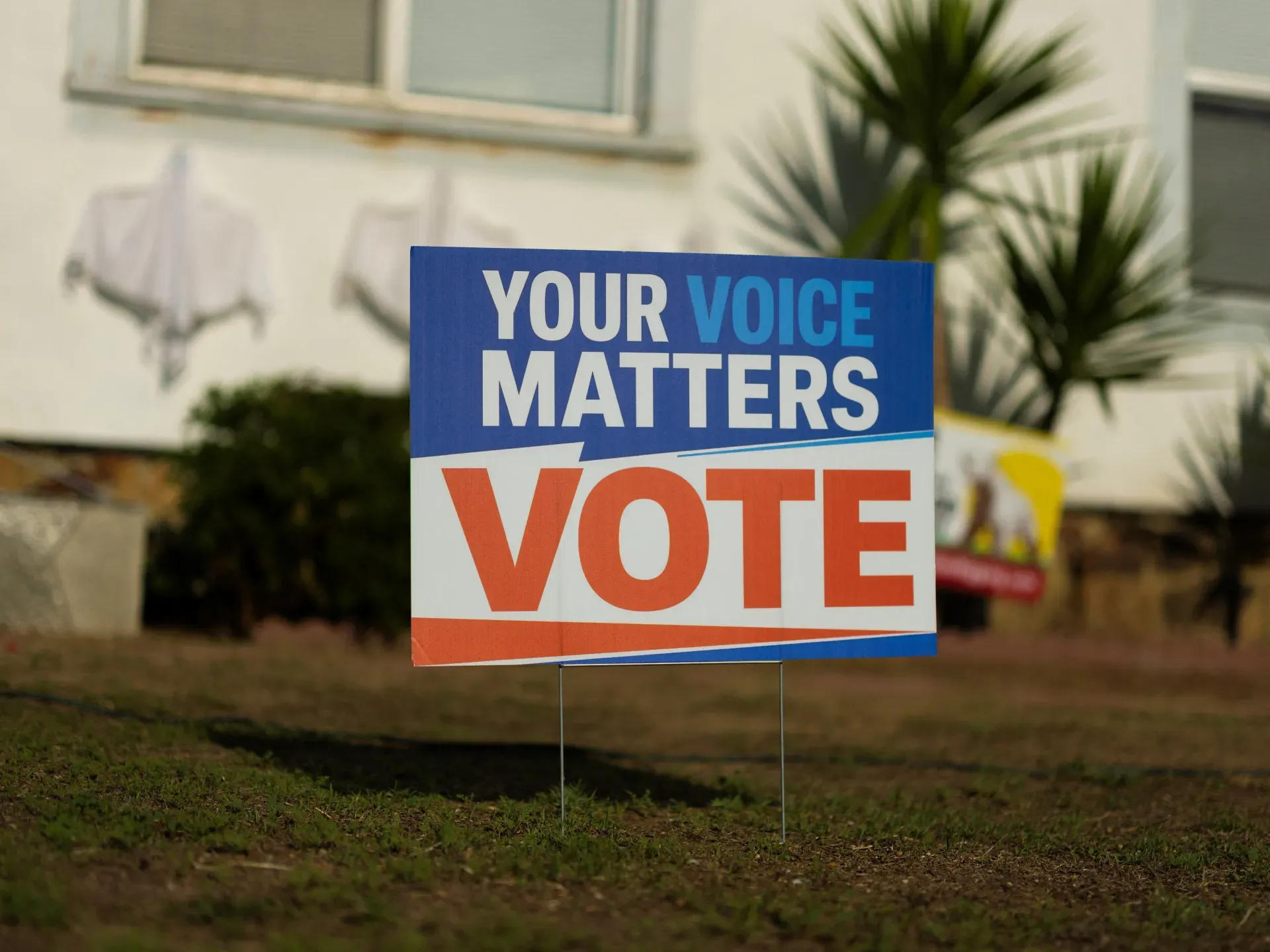
California midterm elections 2026: Redistricting & Votes
The California midterm elections on November 3, 2026, represent a pivotal battleground for US House control. Following the 2025 approval of Proposition 50, new partisan redistricting maps aim to net five Democratic seats, challenging the current four-seat Republican majority. Beyond federal races, voters will decide on state-level issues like a controversial billionaire tax and mandatory voter ID laws. This article analyzes the competitive congressional districts, the gubernatorial race, and the high-stakes ballot initiatives that will define the state's political landscape.
November 8, 2026
5 min read
Source: ASHENVOW
How will redistricting impact the US House of Representatives?
Redistricting in California is expected to shift the balance of power in the US House of Representatives by making previously Republican strongholds more competitive for Democrats. This change stems from Proposition 50, a 2025 ballot measure that temporarily suspended the state's nonpartisan redistricting commission until 2030. The move was proposed by Governor Gavin Newsom as a retaliatory measure against seven Republican-led states that redrew their own maps to favor their party.
The new maps have fundamentally altered the electoral landscape. While California has 52 congressional seats—the highest number of any state—the current distribution sees Republicans holding only eight. By redrawing district boundaries, the state aims to challenge the slim four-seat Republican majority in the House. This process, known as partisan redistricting, involves drawing boundaries to advantage one party over another, a practice that California had previously banned.
The impact of map changes on congressional competition
The shift in boundaries has turned several safe Republican seats into hotly contested battlegrounds. This has not only created new opportunities for Democratic challengers but has also led to internal Republican friction. In one notable instance, the redrawn maps placed two sitting Republican members, Representatives Ken Calvert and Young Kim, in the same district, forcing them into a direct and bitter primary competition against one another.
Which congressional races are the most competitive?
Several specific districts have emerged as focal points for the national Democratic strategy to reclaim the House majority. These races are characterized by intense competition in regions that were traditionally considered reliable for the Republican Party.
- The 22nd District: Located in the agricultural Central Valley, this district was redrawn under Proposition 50. Incumbent Republican David Valadao is facing a significant challenge from Democrat Randy Villegas. While Valadao positions himself as a moderate, Villegas is focusing on the cost of living, healthcare, and the impact of Trump’s immigration policies on the local immigrant workforce.
- The 48th District: This district, situated near the Mexican border in San Diego County, has become highly competitive following the retirement of longtime Republican Darrell Issa. The seat is now a contest between Republican Jim Desmond and Democratic San Diego Councilmember Marni von Wilpert.
Who are the main candidates for Governor of California?
The race to succeed Governor Gavin Newsom features a stark contrast in political profiles and policy priorities. The contest pits Democrat Xavier Becerra against Republican commentator Steve Hilton.
Xavier Becerra, a former California attorney general and former US Secretary of Health and Human Services, enters the race as the heavy favorite in this Democratic stronghold. According to a recent Emerson poll, Becerra holds a commanding 27-point lead over his opponent. His campaign has focused on distancing himself from the Republican platform, often associating Hilton with the policies of President Donald Trump, who maintains low popularity among California voters.
Steve Hilton, the Republican candidate, has centered his campaign on criticizing the current administration's handling of state issues. He has specifically targeted rising crime rates, homelessness, and high fuel costs. Economic data highlights the disparity in energy costs; according to the American Automobile Association, a gallon of petrol in California costs $5.95, significantly higher than the national average of $4.22. Hilton aims to leverage these economic frustrations to appeal to voters dissatisfied with the status quo.
What are the key ballot initiatives for 2026?
California voters are tasked with deciding on several policy-driven propositions that carry significant economic and social implications. These measures range from taxation of the ultra-wealthy to changes in voting procedures.
The 'Billionaire Battle' and Proposition 40
Proposition 40 is perhaps the most high-profile measure, proposing a one-time tax on billionaires to fund healthcare and education. This initiative targets approximately 200 of the wealthiest individuals in the state, according to reports from CalMatters. The measure has sparked a massive fundraising war, often referred to as the "billionaire battle." Industry leaders and tech executives have spent over $152 million to oppose the tax, whereas supporters have raised approximately $33 million. Notably, Google cofounder Sergey Brin has contributed more than $102 million toward defeating the referendum. While the Democratic Party supports the measure, it faces opposition from some progressive groups, even as figures like Senator Bernie Sanders and Representative Ro Khanna lend their support.
Voter ID and the Proposition 39 debate
Proposition 39 introduces a requirement for Californians to present government-issued identification to cast a ballot. Proponents argue that mandatory ID laws are necessary to bolster public confidence in the integrity of elections and prevent fraud. However, critics point to studies suggesting that fraudulent voting is nearly non-existent in the United States. They argue that such requirements create unnecessary barriers for citizens who may not easily possess documents like a driver's license, asserting that existing safeguards are already sufficient to ensure election security.
FAQ: California midterm elections
When is the election day for California?
The election is scheduled for Tuesday, November 3, 2026. Polls will remain open from 7:00 AM to 8:00 PM local time. For those using mail-in ballots, it is essential that they are postmarked by the election day to be counted.
What is Proposition 50?
Proposition 50 is a ballot measure approved by California voters in 2025. It temporarily suspended the state's nonpartisan redistricting commission until 2030, allowing for a partisan redistricting process intended to make Republican-leaning districts more competitive for Democratic candidates.
How much does petrol cost in California compared to the US average?
Petrol prices in California are significantly higher than the national average. According to the American Automobile Association, a gallon of petrol in California costs $5.95, while the national average stands at $4.22.
What is the main goal of Proposition 40?
Proposition 40 proposes a one-time tax on the state's wealthiest residents—approximately 200 billionaires—to generate revenue for public education and healthcare services. It is currently facing intense opposition from the technology sector and wealthy donors.
Will Proposition 39 change how people vote?
Yes, if passed, Proposition 39 would require voters to present a government-issued ID at the polls. Supporters claim this prevents fraud, while opponents argue it creates obstacles for voters who lack specific forms of identification.
Key takeaways
- Proposition 50 redistricting aims to gain five Democratic seats in the US House.
- The gubernatorial race features Democrat Xavier Becerra leading Republican Steve Hilton.
- Proposition 40 proposes a one-time tax on roughly 200 billionaires.
- Proposition 39 would mandate government-issued ID for all voters in California.
- California petrol costs $5.95 per gallon, exceeding the $4.22 national average.
Conclusion
The 2026 California midterm elections represent a pivotal moment for both state and national politics. The implementation of Proposition 50's redistricting maps could fundamentally alter the composition of the US House of Representatives, potentially shifting the balance of power in Washington. Simultaneously, the state's ballot initiatives—ranging from the 'billionaire tax' to mandatory voter ID—will decide the direction of California's social and fiscal policies. As voters head to the polls on November 3, the results will reflect not only local preferences but also a significant reaction to the broader national political climate.



