
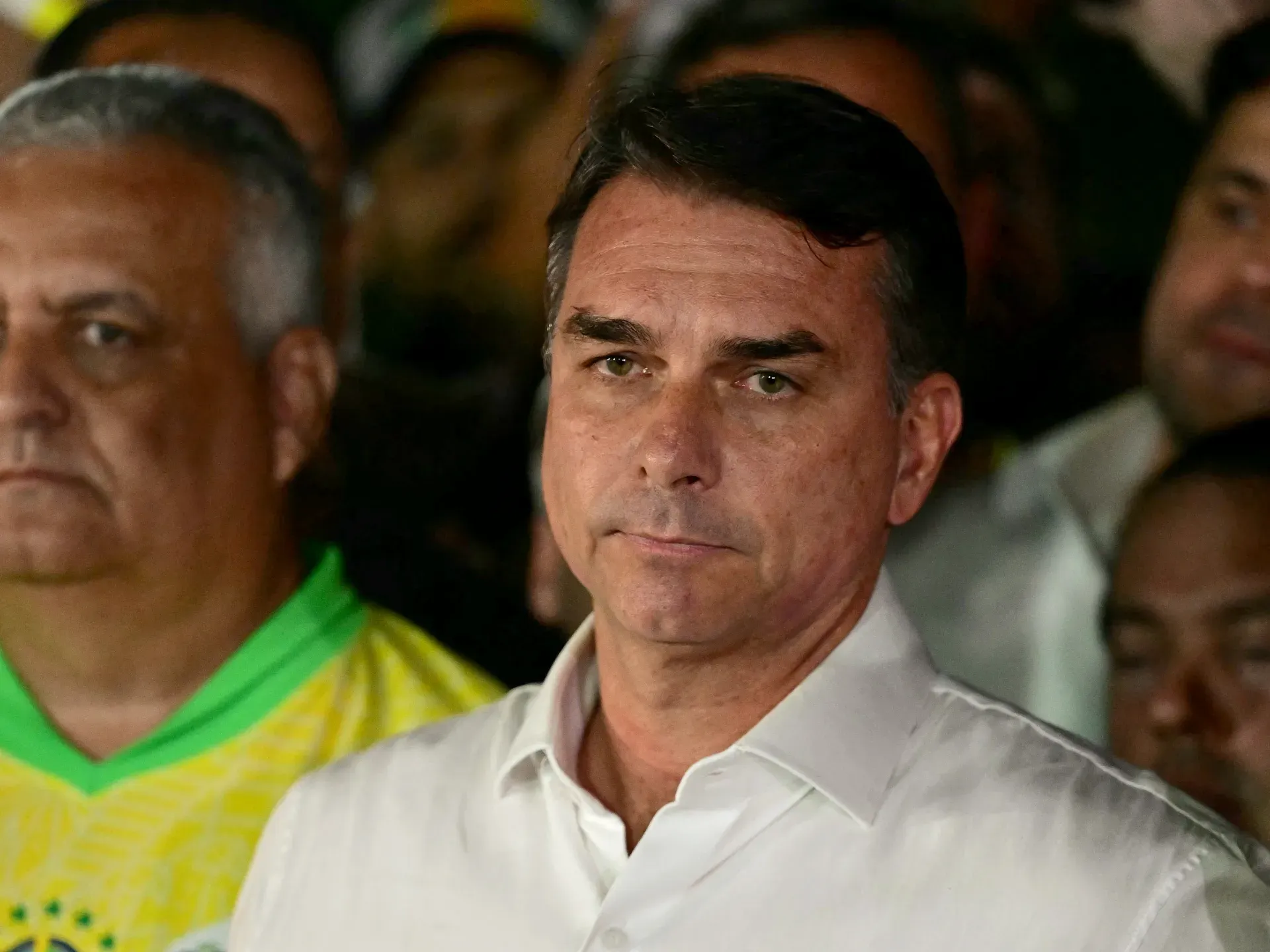
Brazil election 2026: Lula wins as Bolsonaro party accepts
The Brazil election 2026 presidential run-off has concluded with incumbent Luiz Inácio Lula da Silva securing a decisive victory over right-wing challenger Flavio Bolsonaro. Lula won with 64.25 million votes, compared to 59.83 million for Bolsonaro, a margin exceeding 4.4 million votes. Despite Bolsonaro’s initial claims that the election should be annulled due to voting hour extensions, the Liberal Party, led by Valdemar Costa Neto, has officially recognized the outcome. This article examines the disputed voting extensions, the reaction from international figures like Donald Trump, and the legal implications for the Bolsonaro family.
October 27, 2026
6 min read
Source: ASHENVOW
Why did the Liberal Party accept the Brazil election 2026 results?
The Liberal Party, the political group representing Senator Flavio Bolsonaro, has formally acknowledged the outcome of the presidential run-off despite earlier rhetoric from the Bolsonaro camp. On Monday, party leader Valdemar Costa Neto issued a statement confirming that the group recognizes the election results. However, the party did not issue a full endorsement of the process, noting that certain circumstances surrounding the vote still require clarification.
Costa Neto stated that while the party accepts the results, they believe "the issues raised need to be properly clarified." This cautious acceptance follows a period of intense tension where the right-wing candidate had pledged to seek the annulment of the election. The decision by the party leadership appears to be a pragmatic response to the overwhelming statistical margin by which the incumbent won.
The impact of the victory margin
The scale of the victory played a significant role in the party's decision to pivot toward acceptance. According to the official tallies, Lula secured more than 64.25 million votes, while Bolsonaro received 59.83 million. This 4.4 million vote gap makes any legal attempt to overturn the result mathematically difficult, a fact that political advisers reportedly used to convince Bolsonaro to abandon his quest for annulment.
What caused the controversy surrounding the voting hours?
The primary source of contention in the Brazil election 2026 was a Supreme Court decision to extend voting hours on election Sunday. Originally, polls were scheduled to close at 5:00 PM Brasilia time (20:00 GMT). However, following petitions from both major campaigns, Supreme Court Justice Cristiano Zanin ordered an extension of two hours for polling stations that had not yet closed, allowing them to remain open until 7:00 PM (22:00 GMT).
The motivations for the extension differed significantly between the two camps:
- Bolsonaro's Campaign: Cited inclement weather, specifically heavy rains in southern Brazil, which they argued prevented voters in right-wing strongholds from reaching the polls.
- Lula's Campaign: Argued that certain municipalities were limiting public transportation on election day, which they characterized as an attempt to suppress the turnout of Lula's working-class constituency.
The tension regarding transportation was high enough to result in the arrest of Pablo Souza, a transportation official in Salvador, on Sunday. While the extension was granted to address these concerns, Bolsonaro argued the move was biased. He pointed to the relationship between Justice Zanin and the incumbent, noting that Lula had appointed Zanin to the Supreme Court in 2023 and that Zanin had previously served as Lula's personal lawyer.
How did international figures respond to the election?
US President Donald Trump provided a vocal, though non-committal, reaction to the election results. Speaking to reporters on Monday, Trump suggested that the process appeared compromised, using the term "rigged" to describe the atmosphere of the vote. He remarked that elections must be indisputable and expressed that the situation "looked very bad" to him.
Despite his sharp criticism of the process, Trump clarified his personal stance regarding the candidates. He stated that he "did not take sides" in the race, effectively distancing himself from a formal diplomatic or political intervention on behalf of the Bolsonaro camp. His comments reflect the ongoing alignment between certain segments of the American right and the Brazilian right-wing movement, even as the official political outcome is settled.
What is the mathematical reality of the disputed votes?
While the extension of voting hours was a central theme in the post-election disputes, academic analysis suggests the impact on the final result was negligible. Pedro Burgos, a professor at the Brazilian educational institute Insper, conducted an analysis of the extension's effect on the total vote count.
According to Professor Burgos, the two-hour extension resulted in approximately 35,000 additional votes across the country. When measured against the total electorate, this represents less than 0.03 percent of the votes cast. Given that the margin between Lula and Bolsonaro was more than 4.4 million votes, the additional votes generated by the extension were statistically incapable of altering the winner of the election.
What are the legal implications for the Bolsonaro family?
The refusal of the Bolsonaro camp to immediately concede has renewed concerns regarding the stability of Brazil's democratic transitions. The current situation draws direct parallels to the aftermath of the 2022 election, where Jair Bolsonaro also contested the results. That period of instability eventually led to legal proceedings against the former president.
The legal landscape for the Bolsonaro family remains complex:
- Jair Bolsonaro: The former president is currently serving a 27-year prison sentence following convictions related to coup attempts. He was also barred from holding public office for eight years due to the misuse of his position to spread election misinformation.
- Flavio Bolsonaro: While the party has accepted the 2026 results, it remains unclear if the Senator's family will continue legal challenges regarding the elder Bolsonaro's imprisonment, which they characterize as political persecution.
- Travel Restrictions: Following the election, federal police requested that Flavio Bolsonaro hand over his passports. Bolsonaro confirmed he would comply, stating he has no intention of leaving the country.
The transition of power now rests on whether the political establishment can move past the allegations of interference and focus on the validated results provided by the Supreme Court and election authorities.
Frequently asked questions
Who won the Brazil 2026 presidential election?
The incumbent President Luiz Inácio Lula da Silva won the election. He received more than 64.25 million votes, defeating the right-wing challenger Flavio Bolsonaro, who received 59.83 million votes, resulting in a margin of over 4.4 million votes.
Why did the voting hours change on election day?
Supreme Court Justice Cristiano Zanin ordered a two-hour extension to address concerns from both campaigns. Bolsonaro's camp cited heavy rain in the south, while Lula's camp cited reduced public transportation in certain cities. This allowed polls to stay open until 7:00 PM Brasilia time.
Did the voting extension change the election result?
No, the extension did not change the outcome. Analysis by Professor Pedro Burgos of Insper showed that the extension added roughly 35,000 votes, which is less than 0.03 percent of the total and far below the 4.4 million vote margin of victory.
What was Donald Trump's reaction to the results?
Donald Trump suggested the election looked "rigged" and stated that the process did not appear indisputable. However, he also clarified that he was not officially taking sides in the competition between the Brazilian candidates.
What is the current status of Jair Bolsonaro?
Jair Bolsonaro is serving a 27-year prison sentence related to coup-related charges. Additionally, he has been prohibited from holding any public office for a period of eight years following findings of misinformation regarding previous elections.
Key takeaways
- Lula won the 2026 election with 64.25 million votes, defeating Bolsonaro's 59.83 million.
- The Liberal Party has officially recognized the election results despite earlier disputes.
- A Supreme Court order extended voting by two hours to address weather and transport issues.
- Expert analysis confirms the voting extension only added 35,000 votes, not affecting the outcome.
- Jair Bolsonaro remains imprisoned for 27 years following coup-related legal proceedings.
Conclusion
The 2026 Brazilian presidential election has concluded with a decisive mandate for Luiz Inácio Lula da Silva, though the process remains shadowed by allegations of irregularity. While the Liberal Party's acceptance of the results provides a pathway for political stability, the rhetoric surrounding the voting hour extensions and the involvement of international figures like Donald Trump highlights deep-seated polarization. As the country moves toward a new term, the legal shadow cast by the Bolsonaro family's previous challenges to democracy continues to influence the political landscape and the scrutiny applied to the electoral process.



