
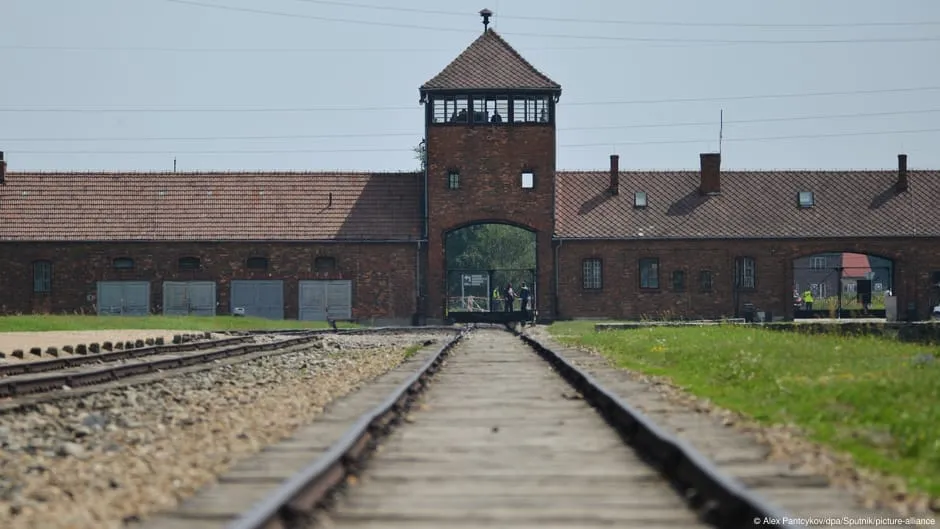
Boris Pistorius Auschwitz visit: A warning on extremism
On November 19, 2026, the Boris Pistorius Auschwitz visit marked the first stop of the German Defense Minister's official trip to Poland. While visiting the Auschwitz-Birkenau memorial, Pistorius issued a stern warning to Europeans regarding the rapid rise of far-right extremism and growing societal divisions. He characterized the former Nazi extermination camp as a vital symbol of what must never be allowed to happen again. Specifically, he cited the extreme dangers of marginalizing various groups based on their race, faith, or sexual orientation, urging leaders to protect democratic values against these rising threats.
November 21, 2026
4 min read
Source: ASHENVOW
A warning against the renaissance of far-right extremism
German Defense Minister Boris Pistorius used his visit to the Auschwitz-Birkenau memorial to call for increased vigilance against far-right extremist movements across Europe. He argued that the historical crimes committed at the site began with the systematic definition of certain lives as "unworthy" through the division of people by race, origin, faith, and sexual orientation. Pistorius noted that this specific form of marginalization is currently experiencing a "renaissance" and is gaining significant ground through far-right extremist parties throughout the continent.
The Defense Minister emphasized that the memorial serves as a "symbol warning" for all citizens, particularly Germans, that there is a collective responsibility to prevent such atrocities from recurring. During his tour of the camp, Pistorius performed several acts of remembrance, including laying a wreath at the death wall—the site where approximately 5,000 prisoners were executed by Nazi soldiers—and lighting a candle at the victims' memorial. He concluded his visit by expressing a desire to see higher numbers of German students and travel groups visiting the site to learn from its history.
European allies reaffirm support for Ukraine's territorial integrity
In Berlin, the "Coalition of the Willing" summit brought together European powers and US envoys to discuss the ongoing conflict in Ukraine. German Chancellor Friedrich Merz addressed the meeting by stating that while a diplomatic solution is essential for ending the war, that conclusion must be predicated on specific conditions for the Ukrainian state. Merz emphasized that the war must result in a Ukraine that preserves its territorial integrity and remains embedded within European security frameworks.
The summit focused on the necessity of providing Ukraine with strong security guarantees to ensure long-term stability in the region. The discussions highlighted a unified European stance on protecting Ukraine's borders and ensuring that any peace process does not compromise the nation's sovereignty or its integration into the European security architecture.
Key diplomatic objectives discussed in Berlin
- Preservation of Ukraine's existing territorial integrity.
- Implementation of robust security guarantees for Kyiv.
- Integration of Ukraine into the broader European security framework.
- Seeking a diplomatic resolution to end active hostilities.
Industrial unrest as Volkswagen faces massive workforce reductions
Volkswagen is facing intense opposition from the IG Metall union ahead of collective bargaining talks scheduled for the following Tuesday. The union has labeled the automaker's recent strategic proposals a "catalog of horrors," particularly as the company prepares for significant structural changes. Volkswagen, which reported quarterly losses of €5.8 billion ($6.5 billion) in October, has announced plans to cut 120,000 jobs across 10 different brands by the year 2030.
Management at the Wolfsburg-based company has cited a deteriorating financial outlook due to increased competition, tariffs, and soft sales as the primary drivers for these deep and accelerated cuts. The proposed changes to the employment structure are extensive and have caused significant friction between the works council and executive leadership.
Proposed changes to Volkswagen employment terms
| Category | Management Proposal |
|---|---|
| Working Hours | Scrapping the current 35-hour week requirement. |
| Overtime | Demanding employees work overtime without additional pay when necessary. |
| Wage Adjustments | Adjusting pay if workers are forced to work fewer than 35 hours. |
| Pay Freeze | Implementing a pay freeze for the 2027-2028 period. |
| Benefits | Reducing benefits for long-term employees. |
IG Metall has responded to these measures by demanding a 5% wage increase to combat rising living costs, noting that workers have not received a raise since May 2024. Regional representative Thorsten Gröger accused VW management of "stabbing its employees in the back," warning that the upcoming negotiations will be "tenacious, bitter and exhausting." The tension is heightened by the sentiment of the works council, with chairwoman Daniela Cavallo stating that employees feel "betrayed" after having previously agreed to job cuts intended to stabilize the company's health.
Political friction within the European right-wing movement
The internal dynamics of European right-wing politics were highlighted by Sven Tritschler, a deputy chairman of Germany's Alternative for Germany (AfD), who criticized French presidential candidate Marine Le Pen. Tritschler accused Le Pen of abandoning the "core" values of her party in an attempt to achieve wider popularity and improve her prospects in the upcoming French presidential elections. He suggested that her strategy of "de-demonization"—an effort to soften the extreme-right image of the National Rally (RN)—is a move driven solely by polling data.
Tritschler expressed a view that Le Pen's potential victory might actually be more detrimental to the right than a defeat, arguing that voters might believe they are choosing a right-wing alternative only to end up with a leadership similar to incumbent Emmanuel Macron. He noted that the AfD would not follow a similar path toward moderation, stating, "A hollowing-out will not take place with us," referring to the preservation of the party's ideological nucleus.



