
Bomb threats disrupt flights across Europe: security analysis 2026
Bomb threats disrupt flights across Europe, targeting at least seven passenger aircraft and an Israel-bound cruise ship on Tuesday. Although exhaustive searches by security forces and sniffer dogs yielded no explosive devices, the wave of alerts caused significant operational chaos, including runway closures in Poland and military escorts in Italy. These incidents coincide with heightened concerns regarding hybrid warfare and sabotage within the continent. This article examines the specific flight disruptions, the military responses triggered, and the broader geopolitical context of these coordinated hoaxes.
November 8, 2026
6 min read
Source: ASHENVOW
How did the wave of bomb threats disrupt European aviation?
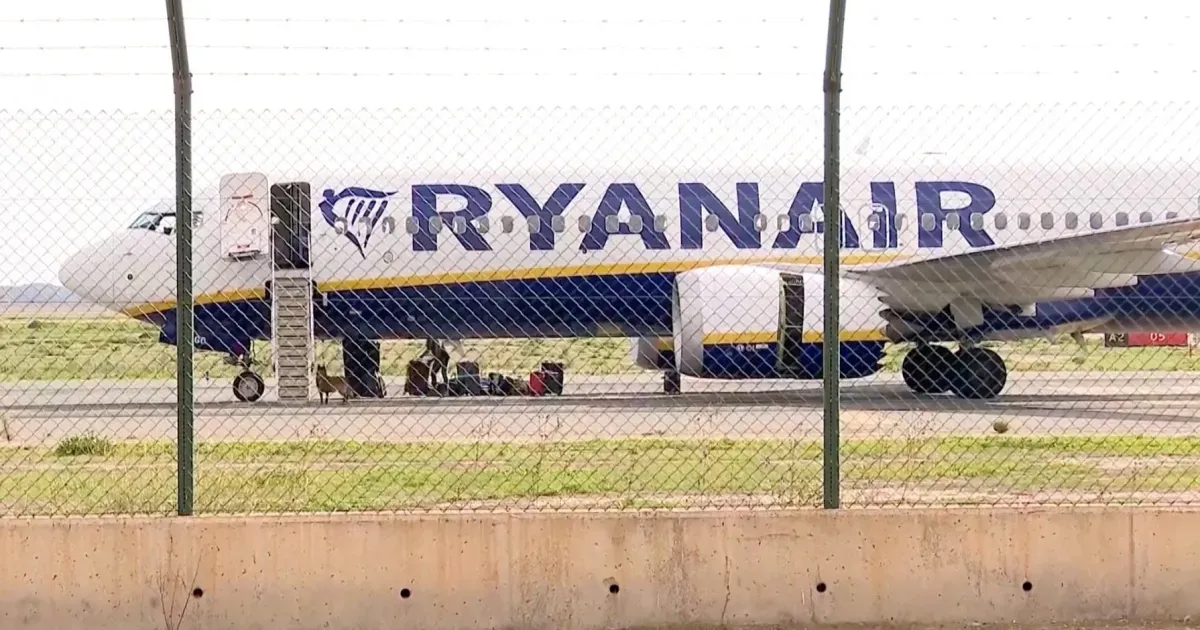
A series of coordinated bomb threats targeted multiple passenger flights across the continent on Tuesday, November 4, 2026, forcing emergency landings and diversions. At least seven flights were impacted, with Ryanair emerging as the most frequent target, experiencing four separate threats to various destinations. The disruptions spanned several countries, including Poland, Italy, Spain, and Bulgaria, causing immediate logistical hurdles for airlines such as Wizz Air, Scandinavian Airlines, and LOT Polish Airlines.
The scale of the disruption was evident in the specific responses required for different carriers. For instance, in Poland, the security situation forced the temporary closure of runways at both Warsaw Chopin Airport and Warsaw Modlin Airport. These closures were necessitated by the need to conduct thorough inspections of aircraft suspected of carrying devices. While the threats caused significant delays and anxiety, aviation authorities confirmed that all affected aircraft landed safely and no physical explosives were recovered during the subsequent sweeps.
Specific airline impacts and flight diversions
The disruption was not limited to a single region or carrier type. Scandinavian Airlines Flight SK751, arriving from Copenhagen, required an inspection at Warsaw Chopin Airport after a threat was reported. Similarly, a LOT Polish Airlines Boeing 737 Max, traveling from London Heathrow, was diverted to Warsaw Modlin, which subsequently had to shut down its runway to facilitate the security check. In Spain, the national airport operator Aena activated emergency protocols for a Ryanair flight from Manchester that landed in Murcia, while in Bulgaria, both Wizz Air and Ryanair flights faced inspections in Sofia following alerts.
What military and police responses were triggered?
The severity of the threats prompted high-level security interventions, including the deployment of fighter jets to escort civilian aircraft. In Italy, the Italian Air Force responded to a suspected threat on Ryanair Flight FR9611 from Dublin by providing a military escort as the plane approached Rome’s Fiumicino Airport. This level of response highlights the immediate priority given to ensuring the safety of passengers during suspected airborne emergencies.
In addition to military involvement, local law enforcement agencies across Europe were placed on high alert. The UK's Metropolitan Police reported being aware of threats against four aircraft at London Heathrow and an additional warning concerning Manchester Airport. Although these specific investigations concluded with no security issues identified, the necessity for police presence at major hubs like Heathrow underscores the systemic pressure placed on aviation security infrastructure during such events.
The role of military escorts in aviation security
The use of Eurofighter jets to escort civilian flights, as seen in the Italian response, is a significant escalation of standard security protocols. Such measures are typically reserved for high-risk scenarios where the integrity of the aircraft's communications or the nature of the threat remains unverified. The rapid response of the Italian Air Force was designed to provide both a visible deterrent and a controlled environment for the aircraft to land, minimizing the risk of an uncontrolled incident during the descent phase.
Why are these threats being viewed as potential hybrid attacks?
While no group has claimed responsibility for the Tuesday alerts, security analysts and officials are examining the possibility that these hoaxes are part of a broader campaign of hybrid warfare. Hybrid attacks involve the use of non-traditional military tools—such as cyberattacks, disinformation, and economic sabotage—to create instability without engaging in direct kinetic conflict. The timing of these bomb threats, occurring alongside recent cyber incidents, has raised red flags among European intelligence communities.
Recent patterns of disruption have provided a template for this type of activity. For example, earlier this week, unidentified hackers targeted supermarket infrastructure across several European nations, causing widespread fridge failures. Experts suggest that hoax bomb threats may follow a similar logic: they are low-cost, highly deniable, and capable of causing massive logistical and psychological disruption to essential services like aviation and food supply chains.
The distinction between criminal hoaxes and state-sponsored disruption
Distinguishing between a lone prankster and a state-sponsored actor is a primary challenge for European security services. According to Rhys Jones, an analysis output manager at aviation risk advisory firm Osprey Flight Solutions, the sheer volume of threats—seven in a single day—is exceptional. Jones noted that the lack of a specific target state, airline, or route suggests that the objective is not a targeted strike, but rather the general disruption of aviation operations. This characteristic is a hallmark of hybrid tactics designed to test the resilience of a nation's infrastructure and exhaust its emergency resources.
What is the connection to geopolitical tensions in Europe?
The surge in security alerts comes amid a period of intense geopolitical friction involving Russia and Iran. European officials have frequently accused both nations of conducting hybrid operations intended to destabilize the continent. Although Moscow and Tehran have both officially denied involvement in any such campaign of sabotage, the coincidence of these threats with broader regional tensions cannot be ignored by security analysts.
The maritime sector also faced a threat during this period. A Panama-flagged cruise ship, the Crown Iris, which was carrying approximately 1,500 passengers and crew, had to be evacuated while anchored off the island of Syros. The ship was bound for Haifa, Israel, adding a layer of complexity to the security landscape. While no device was found on the vessel, the incident highlights how threats can rapidly shift from aviation to maritime transport, potentially targeting routes linked to sensitive geopolitical zones.
Frequently asked questions
Were any explosives actually found during the searches?
No explosives were found during any of the searches conducted on Tuesday. Despite the high volume of alerts affecting at least seven flights and a cruise ship, security teams, including sniffer dog units, confirmed that all searches returned negative results, and the alerts were subsequently lifted.
Which airlines were most affected by the bomb threats?
Ryanair was the most heavily impacted airline, facing four separate threats to different flights. Other major carriers affected by the wave of disruptions included Wizz Air, Scandinavian Airlines, and LOT Polish Airlines, as well as various flights operating through major hubs like Heathrow and Fiumicino.
How did the authorities respond to the threats in Italy?
In Italy, the Italian Air Force provided military escorts using Eurofighter jets for a Ryanair flight from Dublin to Rome. Additionally, another Ryanair flight from Lisbon was subjected to rigorous anti-bomb procedures at Fiumicino Airport to ensure the safety of the passengers and crew.
What is the significance of the term "hybrid attacks" in this context?
Hybrid attacks refer to a strategy of using non-military means, such as cyberattacks or hoax threats, to cause disruption and fear. Analysts suggest these threats may be intended to test European infrastructure resilience and create economic or psychological instability without the need for direct military engagement.
Did the bomb threats cause any airport closures?
Yes, the threats led to temporary closures of runways and airport facilities in Poland. Specifically, Warsaw Chopin Airport and Warsaw Modlin Airport both had to implement security protocols and closures to facilitate the inspection of aircraft that had been targeted by bomb alerts.
Key takeaways
- At least seven flights and one cruise ship were targeted by bomb threats on November 4, 2026.
- No explosive devices were discovered during the extensive searches by security forces.
- Ryanair was the most frequently targeted airline, with four separate incidents reported.
- Security officials are investigating if these incidents are part of a broader hybrid warfare campaign.
- The Italian Air Force deployed fighter jets to escort a civilian aircraft into Rome.
Conclusion
The wave of bomb threats across Europe underscores a growing vulnerability in civilian infrastructure to low-cost, high-impact disruption. While the immediate danger was mitigated by the fact that no explosives were found, the operational chaos—ranging from military escorts to airport closures—demonstrates the effectiveness of such hoaxes. As officials weigh the possibility of these incidents being part of a coordinated hybrid attack strategy by state actors, the focus shifts from individual security breaches to the systemic resilience of European aviation and maritime networks against deniable forms of sabotage.



