
Bédar wildfires: British families demand inquiry into deaths
The Bédar wildfires in south-eastern Spain killed 15 people on 9 July 2026, including nine British nationals. Relatives of the deceased are demanding a public and transparent commission of inquiry after regional politicians in Andalusia blocked a request for one. Families allege that a failure to issue emergency mobile phone alerts prevented timely evacuations. While the governing People's Party and Vox argue that an ongoing criminal investigation is sufficient, victims' families claim the current process lacks transparency and empathy regarding the emergency response and the handling of remains.
November 12, 2026
4 min read
Source: ASHENVOW
Political opposition to a formal commission of inquiry
The Andalusian parliament has rejected a request for a commission of inquiry into the Bédar wildfires, a move that has sparked intense criticism from the families of the victims. The proposal, made by the opposition Socialist party, was blocked by the governing People's Party (PP) and the far-right Vox party. These political groups argue that the necessary answers will be provided through the existing criminal investigation into the disaster.
The dispute centers on whether a political probe is required to examine the systemic failures of the emergency response, as opposed to the criminal investigation which focuses on the cause of the fire. Families of the deceased have expressed disgust at this decision, describing it as an insult to their grief. They maintain that a public and transparent investigation is the only way to ensure accountability and prevent future tragedies.
The role of the criminal investigation
According to the Andalusian government, the ongoing criminal investigation is the appropriate mechanism for uncovering the facts. The Guardia Civil has indicated that the fire, also known as the Los Gallardos fire, is believed to have been started by a fallen power line, though this explanation remains under scrutiny. However, families argue that the criminal focus on the fire's origin does not address the critical question of why the emergency alert system failed to protect residents.
Failures in the emergency alert system
Families of the victims claim that the absence of an emergency mobile phone alert was a decisive factor in the high death toll. Antonio Sanz, Andalusia's emergencies chief, stated that the region decided against using the mobile alert system because it could not be tailored to specific communities. Officials further argued that an alert might have caused panic or traffic congestion, suggesting that some residents were safer staying in their homes while others needed to evacuate.
Witnesses and relatives have directly contested the authorities' version of events. Thomas-Wolf Verdonckt, a Belgian virologist whose father Stanislas died in the fire, stated that the victims received no advice or warnings regarding the approaching danger. He noted that the only contact made by the government occurred just minutes before the flames engulfed the area, consisting only of a police car passing with sirens on but no verbal or digital communication.
| Official Position (Andalusia Emergencies) | Family/Witness Allegations |
|---|---|
| Alerts could cause panic and traffic jams. | Lack of alerts prevented timely evacuation. |
| System could not be tailored to specific communities. | No warnings or advice were received by victims. |
| Some residents were safer staying in their homes. | Communication was only made minutes before impact. |
Disputes over the handling of remains and belongings
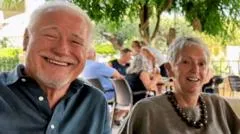
Beyond the immediate cause of the deaths, families have raised serious concerns regarding how the police have handled the remains and personal effects of those killed. Danni Gillam-Kirton, who lost her parents Pete and Fran in the fire, reported a significant discrepancy between police reports and her own findings. After being told by local police that her parents' car had been "meticulously searched" and contained no personal items, she discovered what appeared to be human bone fragments in the vehicle a month later.
The fragments, which Gillam-Kirton believes may be her father's remains, were sent to Madrid for testing. While police subsequently informed the family that the bones were identified as animal remains and no human DNA was recovered, Gillam-Kirton remains unconvinced. She has noted that forensic experts, including an anthropologist who worked on the Grenfell Tower investigation, believe the fragments were human. The uncertainty regarding the identity of these remains has added significant distress to the grieving process.
The impact of administrative responses on grieving families
The families have described a perceived lack of empathy from the authorities. Gillam-Kirton highlighted that when she complained to the Guardia Civil, the response addressed the "death of your relative" in the singular, despite her having lost both parents. This administrative oversight, combined with the ongoing legal complexities, has led families to feel that the burden of grief is being compounded by a struggle for basic recognition and accuracy.
Legal barriers to transparency and official reports
Access to official documentation regarding the Bédar wildfires has been restricted by the Andalusian government. A letter signed by Antonio Sanz in September refused a request from Socialist MPs for official reports, specifically those explaining why no mobile alerts were issued. The government cited the *secreto de sumario*—a court order maintaining the confidentiality of the criminal case file—as the reason for withholding these documents.
The restriction of these files means that the specific details of the emergency response decisions remain shielded from public view. Families argue that the criminal case is primarily focused on how the fire started, and that unless they personally fund legal representation, the emergency response protocols may never be fully scrutinized in a court of law. This creates a situation where the systemic failures that led to the deaths of nine British and several other foreign nationals may remain unexamined by the public.



