
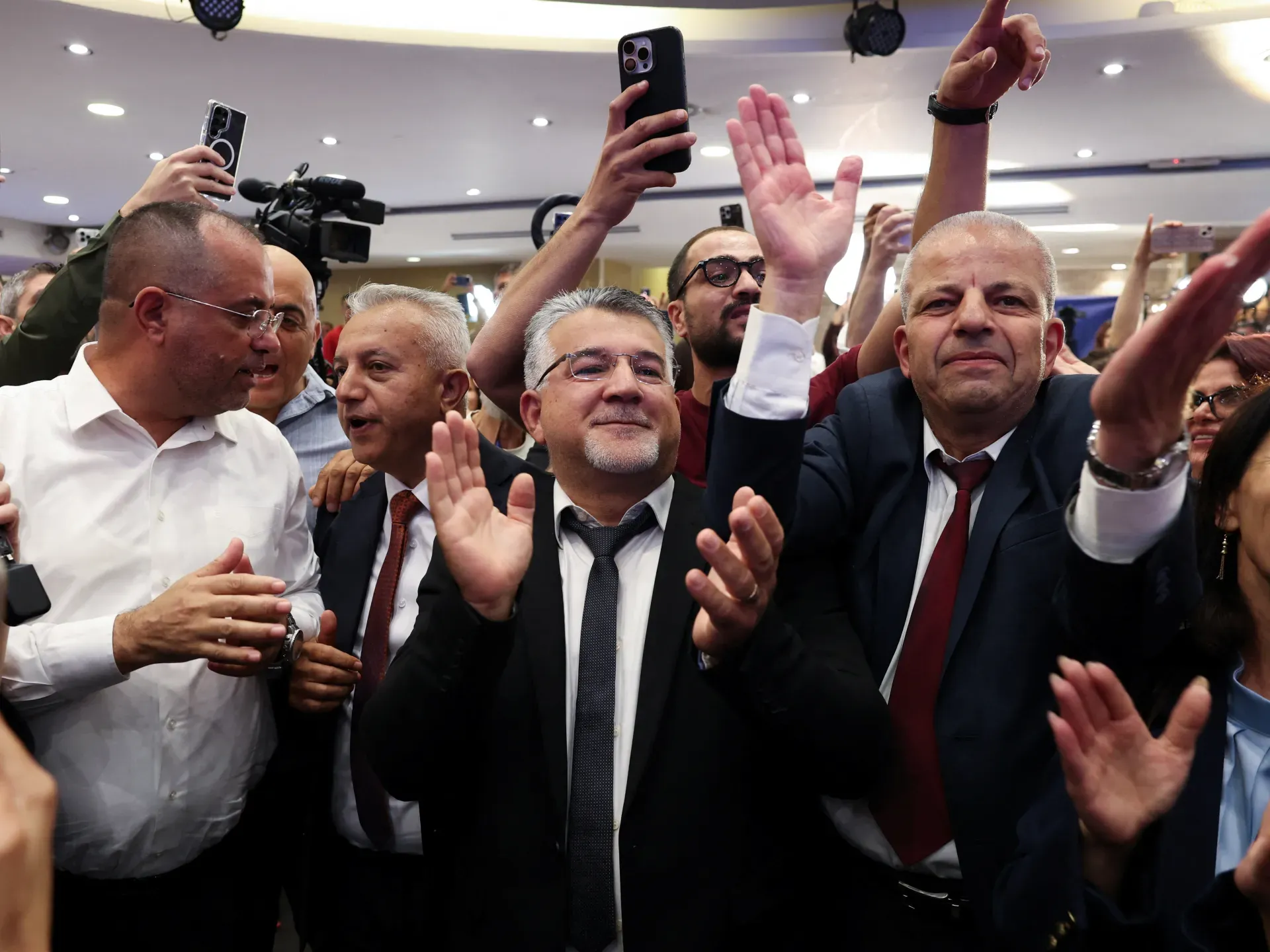
Arab parties in Israel election: 17 seats projected for 2026
Arab parties in Israel election results are showing a significant surge, with early projections suggesting they are on track to secure 17 seats in the 120-member Knesset. This development follows a historic voter turnout among Palestinian citizens of Israel, estimated at approximately 80 percent, which breaks records set in 1999 according to Israel’s Channel 12. While the opposition bloc led by Gadi Eisenkot’s Yashar party initially trailed Benjamin Netanyahu’s Likud-led coalition, the high engagement of the Arab electorate introduces new complexities for government formation. This article examines the seat projections, the impact of record turnout, and the challenges of building a coalition in the wake of the vote.
November 8, 2026
5 min read
Source: ASHENVOW
How many seats are Arab parties projected to win?
Early election indicators and exit polls suggest that Arab-led parties are set to win 17 seats in the Israeli parliament. As of Wednesday, with more than 84 percent of the votes counted, the leading Arab-led factions—specifically the Joint List and Ra’am—are positioned to reach this combined total within the 120-seat Knesset.
The political weight of these seats could prove decisive in the coming weeks. Mansour Abbas, the leader of the Ra’am party (the United Arab List), has expressed hope that the final results will enable an anti-Netanyahu bloc to reach the 61 seats necessary to form a functional government. However, Abbas noted to Israel’s Channel 12 that based on the preliminary numbers available, a stable government has not yet emerged.
The role of Ra’am and the Joint List
The Ra’am party, which previously held five seats and participated in the 2021–2022 governing coalition, remains a central player in these negotiations. The Joint List also remains a significant force among the Arab electorate. The combined strength of these parties means that any attempt to form a majority in the Knesset will likely require addressing the specific political demands of these Arab-led lists.
Why is the voter turnout among Palestinian citizens so significant?
The voter turnout among Palestinian citizens of Israel has reached historic levels, with polls estimating participation at roughly 80 percent. This figure represents a massive surge compared to previous years and surpasses the previous records held since 1999, according to reports from Israel’s Channel 12.
This mobilization is viewed by many observers as an existential moment for Palestinian-Israelis. According to Al Jazeera’s Nour Odeh, the high turnout includes individuals who traditionally boycotted elections due to a belief that the process could not alter the systemic discrimination they face. This shift suggests a growing desire to utilize the democratic process to influence the legislative environment, particularly given that the Knesset has passed over 100 laws that Palestinian citizens view as discriminatory.
The broader national turnout also reached a significant milestone. The Central Elections Committee reported that the overall voter turnout for the election reached 77.7 percent, marking the highest level of participation since 1999. This high engagement across all sectors of the population underscores the critical importance of this specific election cycle for the country's future political direction.
What are the challenges of forming a new government?
Forming a stable government may prove difficult due to the conflicting promises made by various political blocs during the campaign. While the opposition led by former military Chief of Staff Gadi Eisenkot's Yashar party showed early strength, the party had previously campaigned on a platform of not forming coalitions with Arab parties.
Alon Pinkas, a former Israeli ambassador, noted that this campaign stance creates a significant political dilemma. He suggested that there is a "price to pay" for such promises, as Arab parties cannot be ignored or only considered when their votes are needed to secure a majority. The demands of Arab-led lists may conflict with the core platforms of Jewish-led coalition governments, complicating the path to a 61-seat majority.
The tension between blocs
The political landscape is currently divided into two primary camps: the coalition led by Prime Minister Benjamin Netanyahu’s Likud party and the opposition bloc led by Gadi Eisenkot. The high seat count for Arab parties places them in a position where they could potentially act as kingmakers, provided the legal and political barriers to coalition-building can be navigated.
How did the election campaign influence voter behavior?
The campaign was marked by intense rhetoric, particularly regarding the mobilization of Arab voters. Prime Minister Benjamin Netanyahu and his far-right coalition made significant efforts on the eve of the election to encourage their supporters to vote, specifically citing the high turnout in Arab communities as a reason for urgency.
Netanyahu utilized social media to highlight long queues at polling stations in Arab communities, even sharing images of voters wearing the niqab. He framed the high engagement of Arab voters as a direct threat to his political standing, warning that failure to mobilize his base could result in a government led by figures such as Mansour Abbas and Ahmad Tibi. Arab politicians, in turn, denounced these tactics as being both inflammatory and racist.
Key takeaways
- Arab-led parties, including the Joint List and Ra’am, are projected to secure a combined 17 seats in the Knesset.
- Voter turnout among Palestinian citizens of Israel reached an estimated 80 percent, breaking 1999 records.
- The overall national voter turnout was reported by the Central Elections Committee at 77.7 percent.
- Forming a government requires 61 seats, a threshold that remains uncertain due to coalition complexities.
- The high turnout among Palestinian citizens is seen as a response to systemic discrimination and legislative issues.
FAQ: Arab parties in Israel election
What is the projected seat count for Arab parties?
Early results and exit polls indicate that Arab-led parties are on track to win approximately 17 seats in the 120-member Knesset. This includes significant representation from the Joint List and the Ra’am party, which are the leading factions within this bloc.
How high was the voter turnout among Palestinian citizens?
The turnout among Palestinian citizens of Israel is estimated to be around 80 percent. This is considered a historic level of participation, surpassing the previous records set in 1999 and signaling a major shift in political engagement within these communities.
Can the opposition form a government without Arab parties?
While the opposition led by Gadi Eisenkot's Yashar party initially appeared strong, they had campaigned on a promise not to form coalitions with Arab parties. This creates a significant hurdle, as reaching the 61-seat requirement for a government may necessitate cooperation with Arab-led lists.
What did Benjamin Netanyahu say about the election results?
Prime Minister Netanyahu warned his supporters that the high turnout in Arab communities could lead to a government led by Mansour Abbas and Ahmad Tibi. He used social media to urge his base to vote, highlighting the presence of long queues at Arab polling stations.
Why is this election considered an "existential moment"?
The election is viewed as an existential moment because the high turnout suggests Palestinian-Israelis are attempting to use the vote to combat systemic discrimination. This includes addressing over 100 laws passed by the Knesset that have been identified as discriminatory toward this population.
Conclusion
The 2026 Israeli election has been defined by a historic surge in political participation, particularly among Palestinian citizens of Israel. With Arab parties projected to hold 17 seats, the traditional dynamics of coalition building are being challenged. The high turnout, estimated at 80 percent for this demographic, reflects a move toward active political engagement to address long-standing systemic issues. As the final results are tallied, the ability of either the Netanyahu-led coalition or the Eisenkot-led opposition to form a stable, 61-seat government will depend heavily on how they navigate the influence and demands of these newly empowered Arab-led blocs.



