
2026 U.S. midterm elections: How to track live results now
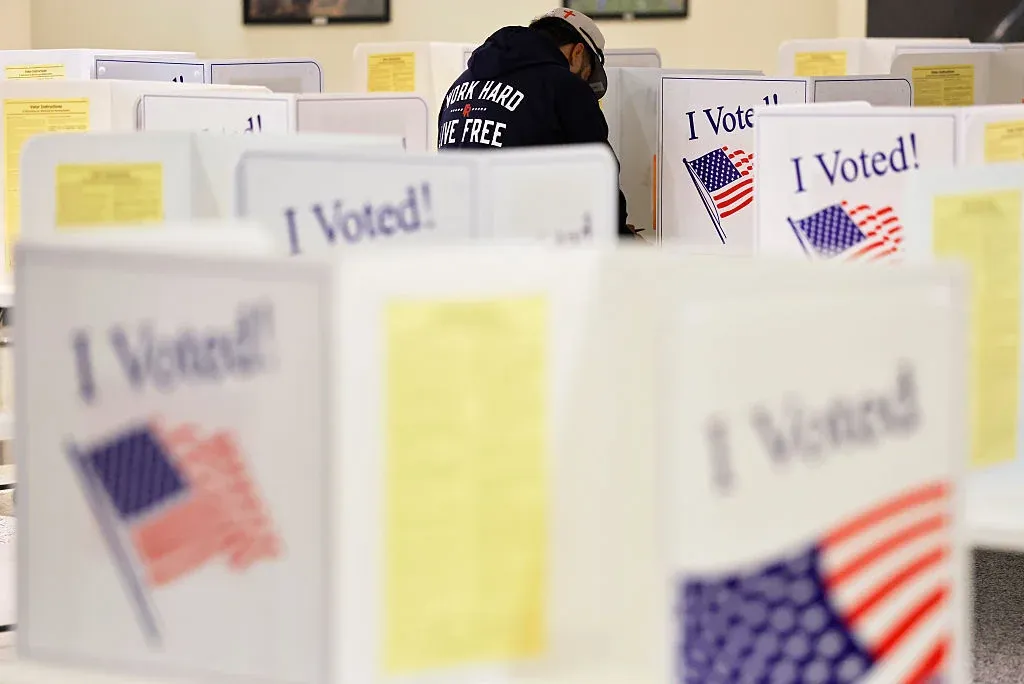
The 2026 U.S. midterm elections are taking place today, determining the future direction of the Senate and critical national policies. Voters are deciding on issues ranging from climate policy and LGBTQ+ rights to billionaire taxation and local governance. With significant tech industry investment and potential administrative challenges regarding vote sequestration, the stakes for this election cycle are exceptionally high. This guide provides the most reliable methods for tracking live election results, identifies key Senate races to watch, and explains why official tallies may take several days to finalize.
November 8, 2026
5 min read
Source: ASHENVOW
Which tools are best for tracking live election results?
The most efficient way to monitor the 2026 U.S. midterm elections is through established online election hubs provided by major news organizations. These platforms offer real-time updates as estimated vote counts are processed, allowing voters to compare predictions across multiple outlets simultaneously without switching between different media channels.
Reliable election trackers include the following major news entities:
- The Associated Press
- Bloomberg
- NBC News
- CNN Results Map
- ABC News
- FOX News
- The New York Times Election Hub
- The Guardian
- Al Jazeera
For those who prefer visual or broadcast media, several outlets provide live election livestreams. Standard cable subscribers can access real-time coverage via major networks, while digital-first viewers can find continuous updates through YouTube streams hosted by CBS News, PBS NewsHour, and NBC News Now.
What are the most critical Senate races to watch?
At least 14 state Senate races are identified as high-stakes contests that will require close monitoring until official counts are certified. These races are expected to be particularly narrow, meaning the outcome could shift as more precincts report their numbers.
Key states to watch in this cycle include:
- Michigan
- Maine
- Ohio
- Texas
- Alaska
The outcome of these specific seats will heavily influence the composition of the U.S. Senate, impacting the legislative ability of the current administration to pass laws regarding economic policy, social rights, and environmental regulations.
The impact of voting systems on race speed
The speed at which these Senate races are called depends heavily on the specific voting mechanisms used in each state. For example, Maine and Alaska utilize a ranked-choice runoff voting system. While this system provides voters with more nuanced options, it can significantly delay the final determination of a winner compared to traditional plurality voting, as the redistribution of votes must be mathematically processed.
Why might official election results take days or weeks to finalize?
It is vital to distinguish between real-time media projections and official government certifications. Most results reported on election night are technically unofficial estimates based on partial data and statistical modeling used by news outlets.
Several factors contribute to the delay in reaching a final, legal tally:
- Reporting Variances: Each state maintains its own protocols for how and when election results are reported to the public and the media.
- Counting Processes: The physical process of counting mail-in, absentee, and provisional ballots can extend well beyond the close of polls.
- Certification Requirements: Official results require a formal certification process at both the state and local levels, which is a legal procedure rather than a mere counting exercise.
Experts suggest that in some instances, it may take several days or even weeks to achieve a complete and verified tally for every state involved in the midterm cycle.
How do time zones and voting methods affect the timeline?
The timing of when results become available is dictated by the closing times of individual state polls. Because the United States spans multiple time zones, the reporting of results follows a staggered schedule that continues late into the night and sometimes into the following day.
Alaska serves as a primary example of this temporal delay. Because Alaska is one of the last states to close its polls—at approximately 1 a.m. ET—predictions for that region will not emerge until late on November 4 or even later. This staggered closing ensures that the national picture of the 2026 U.S. midterm elections remains incomplete until the West Coast has finished its voting process.
What are the primary political and economic drivers of this election?
The 2026 midterm elections are being shaped by intense interest from both the private sector and the federal government. The political landscape is currently defined by significant tension regarding the regulation of the technology industry and the administration's approach to election integrity.
Key areas of contention include:
- Tech Industry Influence: Led by figures such as Elon Musk, the technology sector has invested hundreds of millions of dollars into local election outcomes, partly as a response to increasing regulatory pressures on the industry.
- Administrative Challenges: The Trump administration has raised concerns regarding the election process, including threats to sequester votes or block the certification of results in response to perceived shifts in the electorate.
- Policy Debates: Beyond the high-level political battles, the electorate is voting on fundamental issues such as climate change mitigation, LGBTQ+ protections, and the implementation of higher taxes on billionaires.
FAQ: 2026 U.S. midterm elections
Are the results reported on election night official?
No, the results reported by news outlets on election night are technically unofficial. These figures are based on estimated counts and statistical projections. Official results can only be confirmed after states complete their formal certification processes, which can take days or weeks.
Why do Alaska and Maine take longer to report results?
Alaska and Maine use a ranked-choice runoff voting system. This method requires a more complex calculation to determine the winner through successive rounds of counting, which can lead to longer wait times for final results compared to standard voting methods.
Which states have the most closely watched Senate races?
Michigan, Maine, Ohio, Texas, and Alaska are among the most closely watched Senate races in this cycle. At least 14 Senate races are expected to be highly competitive, requiring careful monitoring as official counts are processed.
When will the final results be known?
The timeline for final results varies by state. While some may be known shortly after polls close, experts warn it may take days or even weeks to finalize all tallies. Alaska's results will likely be among the last due to its late poll closing.
How can I watch the election coverage live?
You can watch live coverage through standard cable news channels or via free streaming services. YouTube also hosts live election streams from reputable sources such as PBS NewsHour, CBS News, and NBC News Now.
Key takeaways
- The 2026 U.S. midterm elections involve critical Senate races in states like Michigan, Texas, and Alaska.
- Ranked-choice voting in Maine and Alaska may delay the reporting of final winner declarations.
- Major news outlets like the AP and CNN provide real-time, unofficial election results trackers.
- Official certification of all election results can take anywhere from several days to multiple weeks.
Conclusion
The 2026 U.S. midterm elections represent a pivotal moment for American governance, with the potential to reshape the Senate and dictate the trajectory of major social and economic policies. As voters head to the polls, the influence of tech industry spending and the complexities of different state voting systems—such as ranked-choice voting—will play a significant role in how results are perceived and timed. While real-time trackers offer immediate insights, patience is required as the official, legal certification process unfolds across various states and time zones.



