
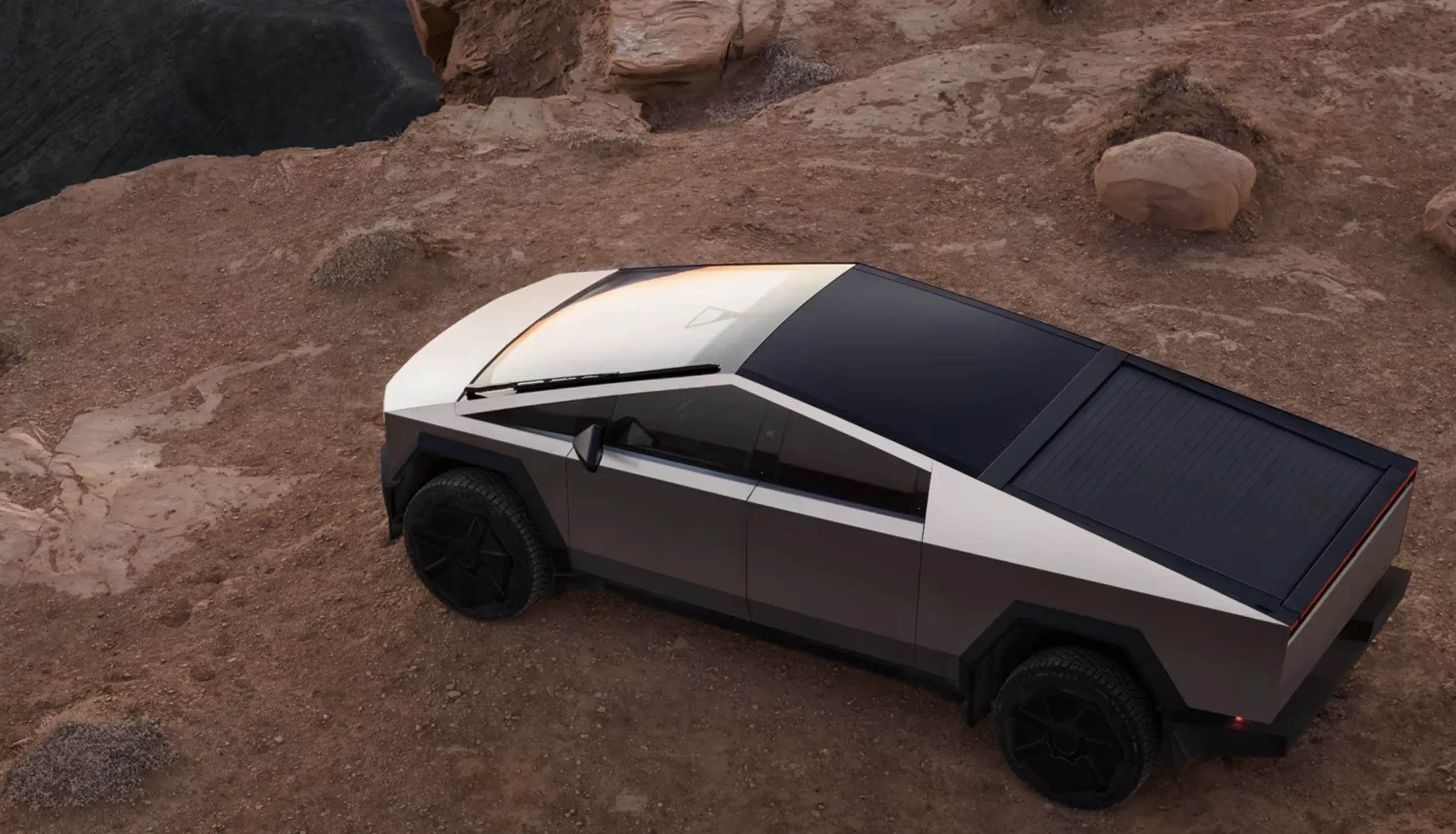
Cybertruck production wind down for Tesla Cybercab
Tesla leadership has officially confirmed plans for a Cybertruck production wind down as the company pivots toward autonomous transport. Elon Musk announced on X that manufacturing at Gigafactory Texas will begin scaling back around the middle of next year. This strategic shift is intended to reallocate factory capacity to accommodate increased production of the Cybercab, Tesla's dedicated autonomous taxi vehicle. By transitioning the assembly lines, Tesla aims to prioritize the scaling of its robotaxi fleet over the current pickup truck lineup to meet long-term autonomy goals.
November 10, 2026
3 min read
Source: ASHENVOW
Tesla reallocates Gigafactory Texas resources
The decision to scale back the stainless steel pickup marks a significant pivot in Tesla's manufacturing priorities. According to Elon Musk, the wind down of Cybertruck production at Gigafactory Texas is scheduled for mid-2025. The primary driver for this transition is the need to make room for increased Cybercab production. While Musk did not explicitly state that the Cybertruck line is being permanently terminated, the logistical implications suggest a narrowing window for the vehicle.
Because the Cybertruck is currently produced exclusively at Gigafactory Texas, any reduction in output there directly impacts the model's availability. The vehicle's unique stainless steel body requires specialized manufacturing processes that are difficult to replicate elsewhere, making a relocation to a different facility unlikely. If production is not moved, the Cybertruck faces a timeline of less than a year of active manufacturing.
Manufacturing constraints and relocation risks
The specialized nature of the Cybertruck's construction presents a hurdle for any potential relocation. The angular, steel-plated design demands specific equipment and workflows that are currently integrated into the Texas facility. Without a secondary site capable of handling these unique demands, the wind down at Gigafactory Texas could signal the end of the model's production lifecycle.
The shift toward autonomous driving dominance
Tesla's move away from the Cybertruck aligns with a broader corporate strategy centered on self-driving technology. Elon Musk has signaled a transition away from traditional vehicle ownership models in favor of autonomous fleets. This shift was highlighted during the unveiling of the new Tesla Roadster in October, where Musk stated it would be the last manually driven car that Tesla would ever produce.
The repurposing of manufacturing capacity from a heavy-duty pickup to the Cybercab reflects this vision. The Cybercab is designed to serve as a cornerstone of Tesla's autonomous taxi ambitions. By transitioning the factory lines, Tesla is effectively trading a niche, high-priced consumer vehicle for a high-volume autonomous platform.
Market challenges and declining sales signals
The wind down follows a period of inconsistent market performance for the Cybertruck. Since the vehicle went on sale in 2023, there have been continuous reports regarding poor sales figures. The vehicle, characterized by its large, angular design, has struggled to find the mass-market traction Tesla initially anticipated.
Further evidence of the brand's retreating interest in the model includes recent international cancellations. Tesla recently canceled the planned Cybertruck launch in both Australia and New Zealand. These market exits, combined with the production pivot in Texas, suggest that the company is deprioritizing the electric pickup in favor of more scalable autonomous solutions.
The evolving electric pickup landscape
While Tesla appears to be retreating from the pickup segment, the competitive landscape for electric trucks is expanding. Consumers seeking manually driven electric pickups will find increasing options as other manufacturers scale their offerings. The market is moving toward more diverse price points and utility profiles.
Current and upcoming competitors in the electric pickup space include:
- Slate: Recently launched an affordable electric pickup option.
- Ford: Developing a budget-friendly electric pickup known as the Fathom.
- Rivian: Preparing to launch the R2T, a mid-size electric pickup, next year.
This influx of competition suggests that while Tesla is focusing on the autonomous Cybercab, the demand for electric utility vehicles remains a robust sector for other automotive players.



