
Tech founder zombie game criticism sparks backlash
Tech founder Pierre-Louis Biojout drew sharp criticism after releasing a web-based shooter set in San Francisco's Tenderloin district. The project, described as a weekend coding effort, placed players in a Call of Duty style scenario against zombie-like figures on real city streets. Biojout, who leads the Y Combinator-backed startup NanoCorp, stated in a deleted post that since San Francisco could not fix the Tenderloin, he monetized it, earning $300 from ads. City leaders and the SF Coalition on Homelessness condemned the game for monetizing the dehumanization of residents facing addiction and poverty. The game was later removed from the company site.
October 19, 2026
4 min read
Source: ASHENVOW
What was Tenderloin Night Shift and how was it made?
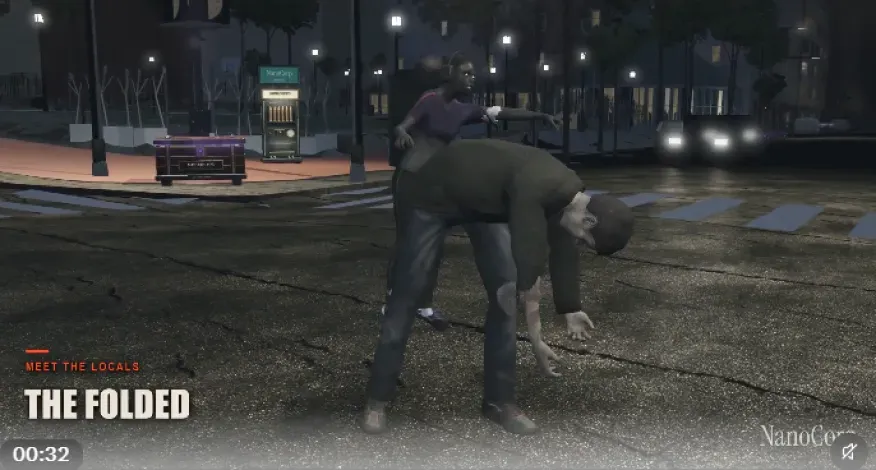
Tenderloin Night Shift was a free web-based shooter developed as a personal project by Pierre-Louis Biojout. The game placed players on the streets of San Francisco's Tenderloin neighborhood, known for high rates of homelessness and open drug use. Biojout described the effort as vibe coding completed over a weekend and styled after Call of Duty. Characters were presented as zombies, with reports noting figures such as a folded fentanyl addict and a Black security guard. Tech workers also appeared as targets. The project was hosted on NanoCorp's website and generated revenue through in-game advertisements, with Biojout stating he had earned $300 before removal.
Why did residents and officials object to the game?
Critics argued that the game turned real social problems into entertainment. Jennifer Friedenbach, executive director of the SF Coalition on Homelessness, stated that Biojout was monetizing the dehumanization and pretend killing for fun of mostly Black and Brown residents of the poorest neighborhood in San Francisco. Local commentary highlighted that the figures depicted people in active addiction rather than fictional monsters. Some responses noted that the setting drew directly from an area where residents face documented challenges with fentanyl and housing insecurity. The use of the Tenderloin as a backdrop for shooting gameplay was viewed by opponents as reducing complex human situations to target practice.
How did Biojout respond to the objections?
Biojout stated that he had not intended to provoke or to depict shooting real people. He pointed out that the game also featured tech workers as characters. In replies to critics he maintained that the project remained a standard zombie shooter and questioned why addiction was being emphasized in the discussion. The original X post announcing the game was deleted after the backlash began.
What reactions appeared on social media and in local reporting?
Online discussion split between condemnation and limited support. Other tech founders described the premise as turning people in addiction into targets and asked for any positive framing. Some users expressed agreement with the original post, stating that individuals in active addiction were no longer human or that the game could serve as preparation for visiting the city. Local outlets including the SF Chronicle and KRON4 reported on the character designs and the removal of the game. The conversation continued after the post and the game itself were taken down.
What happened to the game after publication?
Tenderloin Night Shift was removed from NanoCorp's website. Biojout deleted the original announcement on X, though screenshots and reports preserved the details of the project and the statements made. No further updates on the game's status or any planned changes have been issued by the developer or the company.
Frequently asked questions
Who created Tenderloin Night Shift?
Pierre-Louis Biojout, founder of the AI startup NanoCorp, developed the game as a personal weekend project using vibe coding methods.
Where was the game set?
The shooter took place on the streets of San Francisco's Tenderloin district, an area noted for visible homelessness and drug activity.
Why was the game removed?
Public criticism from residents, city leaders and advocacy groups led to the removal of the game from the company website.
Did the game include real people as targets?
Biojout stated the intent was fictional zombies and that tech workers were also present, while reports described specific character types drawn from local conditions.
Was revenue generated from the game?
Biojout reported earning $300 through in-game advertisements before the project was taken offline.
Key takeaways
Biojout released a web shooter set in San Francisco's Tenderloin district and earned $300 from ads before removal.
The game depicted zombie figures including a folded fentanyl addict and a Black security guard alongside tech workers.
The SF Coalition on Homelessness condemned the project as monetizing dehumanization of local residents.
Biojout said he did not intend to depict shooting real people and later deleted the announcement post.
Online reactions ranged from strong criticism to some expressions of support for the original premise.
The game was removed from NanoCorp's site following the public response.
Conclusion
The episode illustrates how a short personal coding project can quickly intersect with ongoing debates about homelessness, addiction and representation in San Francisco. Biojout framed the work as entertainment, while critics saw direct exploitation of a specific neighborhood's documented difficulties. The rapid removal of the game and the post shows how public pressure can lead to quick reversals even for small-scale releases. The discussion also highlights differing views on whether fictional framing changes the impact of using real locations and social conditions as game settings.



