
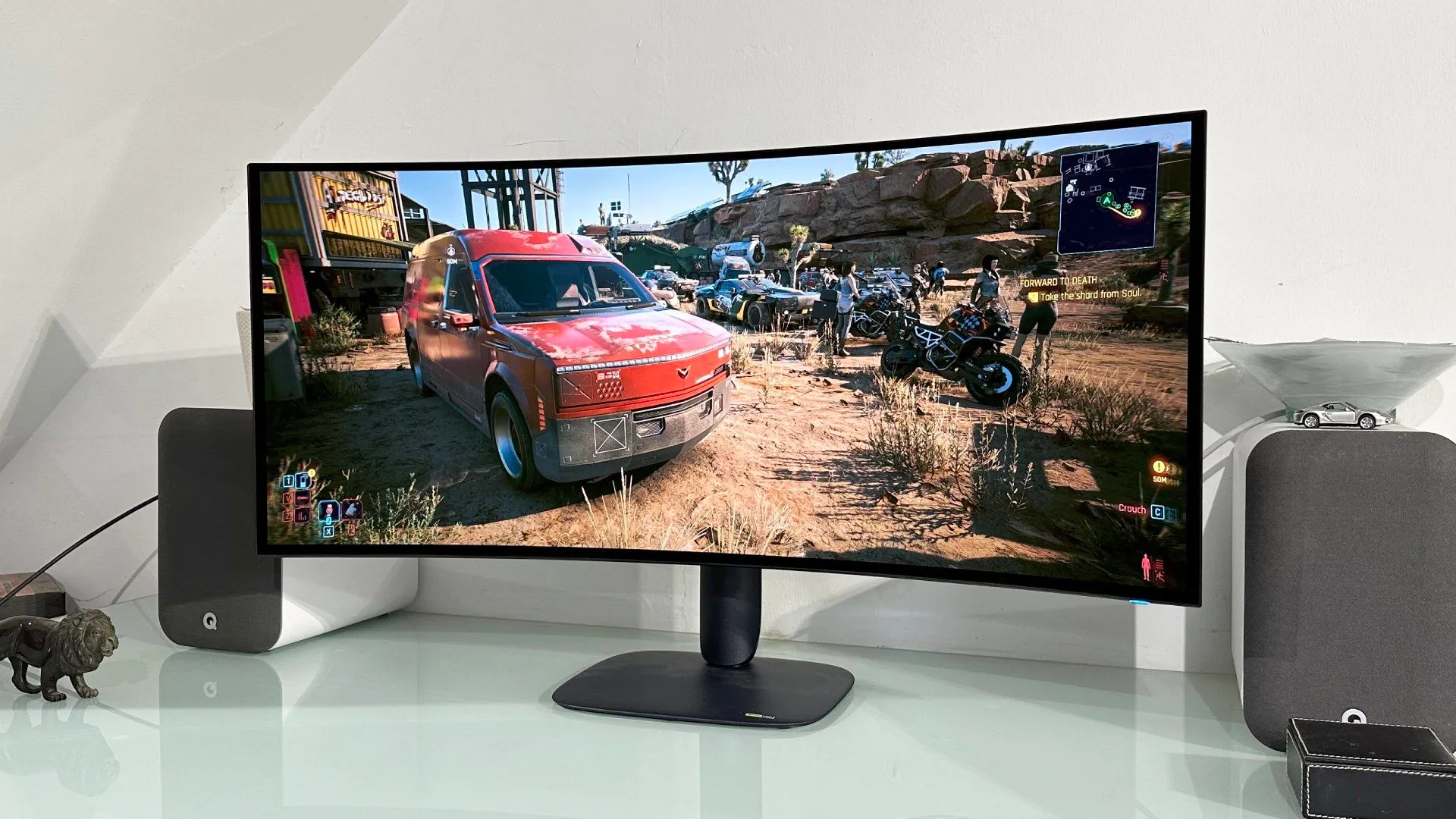
TCL 700 Hz OLED panels planned for 2028 using IJP technology
TCL China Star is preparing a Gen 8.6 IJP OLED fabrication facility that will begin mass production in 2028. The plant will manufacture monitor panels up to 700 Hz, including 32-inch and 34-inch sizes. According to Omdia via Videocardz, this marks the first time a company will mass-produce IJP OLED monitor panels at this generation scale. Inkjet printing reduces material waste during deposition compared with current evaporation processes that use masks. Lower production costs are therefore expected, which could translate into more affordable high-refresh-rate OLED monitors. Existing 700 Hz-plus OLED products remain expensive, with one 720 Hz 1080p model priced at $1,099. This article examines the manufacturing change, its cost implications, existing high-refresh-rate OLED options, and the timeline for wider availability.
October 19, 2026
4 min read
Source: ASHENVOW
What is the TCL Gen 8.6 IJP OLED facility and when will it start?
TCL China Star plans to open its Gen 8.6 inkjet-printed OLED fabrication plant in 2028. The facility is intended to become the first site capable of mass-producing IJP OLED monitor panels at this substrate size. Production targets include 32-inch and 34-inch panels with refresh rates reaching 700 Hz. Omdia reports that the line will focus on monitor formats rather than television panels. The announcement does not specify exact panel dimensions for the highest refresh-rate models, leaving open the possibility that 700 Hz variants could appear in smaller sizes.
How does inkjet printing differ from current OLED manufacturing?
Conventional OLED production deposits organic materials through a metal mask in a vacuum evaporation chamber. Much of the evaporated material misses the mask openings and is lost. Inkjet printing applies the same materials directly onto the substrate in precise droplets, eliminating the mask step and sharply reducing waste. The process change is expected to lower material costs and improve manufacturing yield. Earlier laboratory claims for inkjet OLEDs also suggested gains in colour volume at elevated brightness levels, though commercial monitor panels have yet to demonstrate those benefits at scale.
Will the new process affect panel performance?
Performance specifications such as response time, contrast, and colour gamut are not addressed in the Omdia forecast. The primary documented advantage remains cost reduction through lower material consumption. Any brightness or colour improvements would require verification once prototype panels emerge from the new line.
How do existing 700 Hz OLED monitors compare in price and specifications?
At least one 720 Hz OLED monitor already exists in the market. The Asus WOLED model delivers 720 Hz at 1080p resolution in a 24.5-inch chassis and carries a retail price of $1,099. Other high-refresh-rate OLED monitors have appeared, though many drop resolution to reach those speeds. Current pricing for ultra-high-refresh-rate panels remains elevated compared with mainstream 144 Hz or 240 Hz OLED monitors, which have seen steady price reductions in recent years.
What price impact could the 2028 TCL panels have on the monitor market?
Reduced material waste from inkjet printing is projected to cut panel production costs. Industry observers anticipate that these savings could eventually flow through to lower retail prices for high-refresh-rate OLED monitors. The extent of any price decline will depend on panel size, yield rates achieved at the new fab, and competitive responses from other manufacturers. No specific price targets have been released for the 2028 products.
When might consumers see the first TCL 700 Hz IJP OLED monitors?
Mass production is scheduled to begin in 2028. Actual retail availability would follow several months later once panels are integrated into finished monitors by brand partners. The timeline places any consumer impact at least two years after the current announcement.
Frequently asked questions
Is TCL the only company developing high-refresh-rate OLED monitors?
No. Multiple display manufacturers have released or announced OLED panels above 500 Hz. TCL’s contribution centres on the shift to inkjet printing at Gen 8.6 scale.
Will the new panels support 4K resolution at 700 Hz?
The Omdia statement does not specify resolution targets. Current 700 Hz-plus OLED monitors operate at 1080p; higher resolutions at these speeds remain technically challenging.
Does inkjet printing improve burn-in resistance?
No data on burn-in performance has been provided for the planned IJP panels. Any durability claims would require future testing.
Are 700 Hz refresh rates necessary for competitive gaming?
Diminishing returns apply above 360 Hz for most players. The technology remains relevant for a narrow segment seeking maximum motion clarity in fast-paced titles.
Will production remain limited to 32-inch and 34-inch sizes?
The announcement highlights those sizes but does not exclude additional formats once the line reaches volume manufacturing.
Key takeaways
TCL China Star will begin Gen 8.6 IJP OLED production in 2028, targeting monitor panels up to 700 Hz.
Inkjet printing reduces OLED material waste compared with mask-based evaporation methods.
Lower manufacturing costs are expected, though no specific retail prices have been announced.
One existing 720 Hz OLED monitor is already available at $1,099.
Retail monitors using the new panels are unlikely before late 2028 or 2029.
Conclusion
The planned TCL facility introduces a manufacturing approach that could eventually broaden access to high-refresh-rate OLED monitors. By shifting from evaporation to inkjet deposition, the process targets the main cost driver in current panel production. While the 2028 start date leaves a multi-year gap before products reach stores, the development aligns with the ongoing trend of OLED prices falling as production volumes rise. The outcome will depend on yields achieved at the new fab and on how competing suppliers respond.



