
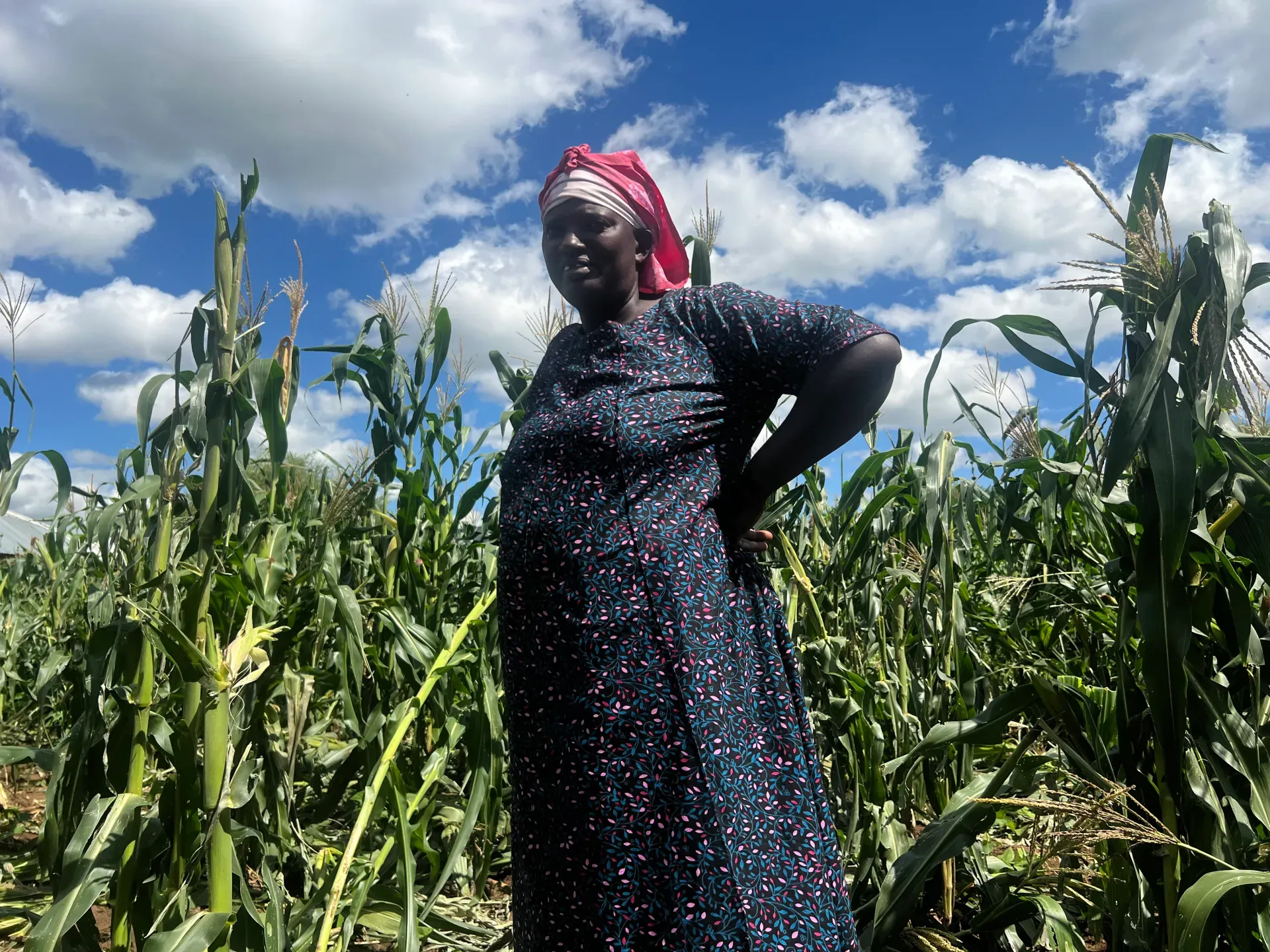
Digital agriculture in Tanzania: Why smallholders struggle to benefit
Digital agriculture in Tanzania faces significant implementation hurdles as smallholder farmers struggle to access timely market information and technical training. While government platforms like M-Kilimo and e-Kilimo have millions of registered users, many farmers report that responses to inquiries can take up to two weeks, rendering the data obsolete for immediate decision-making. The government is addressing these gaps through the $3.62m Data for Digital Agricultural Transformation Joint Programme (2024–2027), which aims to improve digital literacy for 500,000 farmers and train 500 extension workers to bridge the gap between registration and actual utility.
November 10, 2026
4 min read
Source: ASHENVOW
The gap between registration and practical utility
Registration numbers for Tanzanian digital agricultural platforms do not currently reflect widespread active usage or improved economic outcomes for smallholders. According to a 2024 study based on Ministry of Agriculture data, M-Kilimo has approximately 7.2 million registered farmers, alongside 9,985 extension workers, 24,523 customers, and 26,927 sellers. While the platform recorded 75,623 advisory consultations—73,839 of which received replies—the study noted that these figures do not confirm whether the information helped farmers make better marketing or production decisions.
The study further identified roughly 400,000 incomplete registrations and highlighted significant barriers regarding digital literacy. Many farmers struggle to navigate even basic USSD services, which are designed to function on non-smartphone devices without internet connectivity. This creates a disconnect where the digital infrastructure exists, but the end-users lack the technical capacity to extract value from it.
Barriers to effective digital adoption
Several structural and educational factors prevent the transition from registration to effective use. These include:
- Digital Literacy: A lack of formal education on how to navigate mobile interfaces and USSD menus.
- Connectivity and Hardware: Limited access to smartphones, reliable SIM cards, and consistent network coverage in rural areas.
- Information Timeliness: Delays in receiving responses that prevent farmers from reacting to real-time market fluctuations.
- Cost: The financial burden of data and mobile services for low-income smallholders.
Delayed responses undermine market relevance
The utility of digital agriculture in Tanzania is frequently compromised by the speed of information delivery. Jeremiah Luwe, a maize and pigeon pea farmer from Kongwa district, reported that responses to questions regarding agricultural inputs and market prices via M-Kilimo can take up to two weeks. "Sometimes the information arrives too late to be useful," Luwe told Al Jazeera, noting that the system needs to be faster to connect farmers effectively to markets.
Because of these delays, many farmers continue to rely on traditional, offline methods to secure their livelihoods. These include:
- Public meetings: Local community gatherings where information is shared verbally.
- Physical auctions: Organized local sales where prices are determined on-site.
- Media reports: Traditional television and radio broadcasts.
- Cooperative systems: Using Agricultural Marketing Cooperative Societies (AMCOS) to pool crops for organized auctions.
For farmers like Vedalinda Asiya, a sesame and maize farmer in Kongwa, the digital platforms have provided very specific, limited benefits. While she registered for M-Kilimo, she stated she has not received the market prices or timely agricultural advice she requires, finding the most use only in accessing information regarding subsidized fertilizer.
Disparities in market access and information power
Digital tools have the potential to narrow the gap between large-scale producers and smallholders, but current trends suggest they may inadvertently highlight existing inequalities. Praygod Malisa, an agriculture specialist with Rikolto East Africa, noted that larger farmers possess inherent advantages that digital tools alone cannot solve. These farmers often have better access to market intelligence, the ability to hold formal contracts, and the capital to store produce in warehouses until market prices rise.
In contrast, smallholders often lack the liquidity to wait for better prices. They frequently sell their harvests immediately to secure necessary cash, a cycle that makes timely market information even more critical. Malisa emphasized that for digital tools to be effective, programs must move beyond measuring success through registration counts. He urged that assessments focus on actual impact: how many farmers were reached, how many truly benefited, and whether there is verifiable evidence of improved livelihoods.
| Stakeholder Group | Primary Challenges Identified |
|---|---|
| Smallholder Farmers | Digital literacy, delayed information, lack of smartphones, immediate cash needs. |
| Government Services | Slow response times, incomplete registrations, difficulty reaching rural areas. |
| Large-scale Farmers | Maintaining competitive advantages through storage and contracts. |
Integrating digital tools with established agricultural systems
Rather than replacing traditional methods, digital agriculture in Tanzania is increasingly seen as a tool that should complement existing market structures. The country already has established routes to market through the Warehouse Receipts Regulatory Board, which oversees licensed warehouses, and the Tanzania Mercantile Exchange (TMX), which provides an organized marketplace for commodity trading. These systems allow farmers to deposit produce and trade using warehouse receipts, providing a level of stability that digital-only solutions currently lack.
Experts suggest that for digital services to gain traction, they must integrate with the "social architectures" farmers already use. Mahadia Tunga, cofounder and executive director of the Tanzania Data Lab, proposed several strategies to increase accessibility:
- Leveraging trusted networks: Using WhatsApp groups managed by extension officers to facilitate communication.
- Hybrid models: Combining digital data with offline support from local enterprises and agricultural officers.
- Conversational interfaces: Making information more interactive and less formal to suit user habits.
Kadeghe Goodluck Fue of Sokoine University of Agriculture added that the primary value of these tools lies in expanding a farmer's horizon. Digital services should ideally provide information about prices, buyers, and markets that exist far beyond the farmer's immediate geographic area, enabling more informed production and marketing decisions.



