
Steam Frame OLED code references analyzed: development outlook
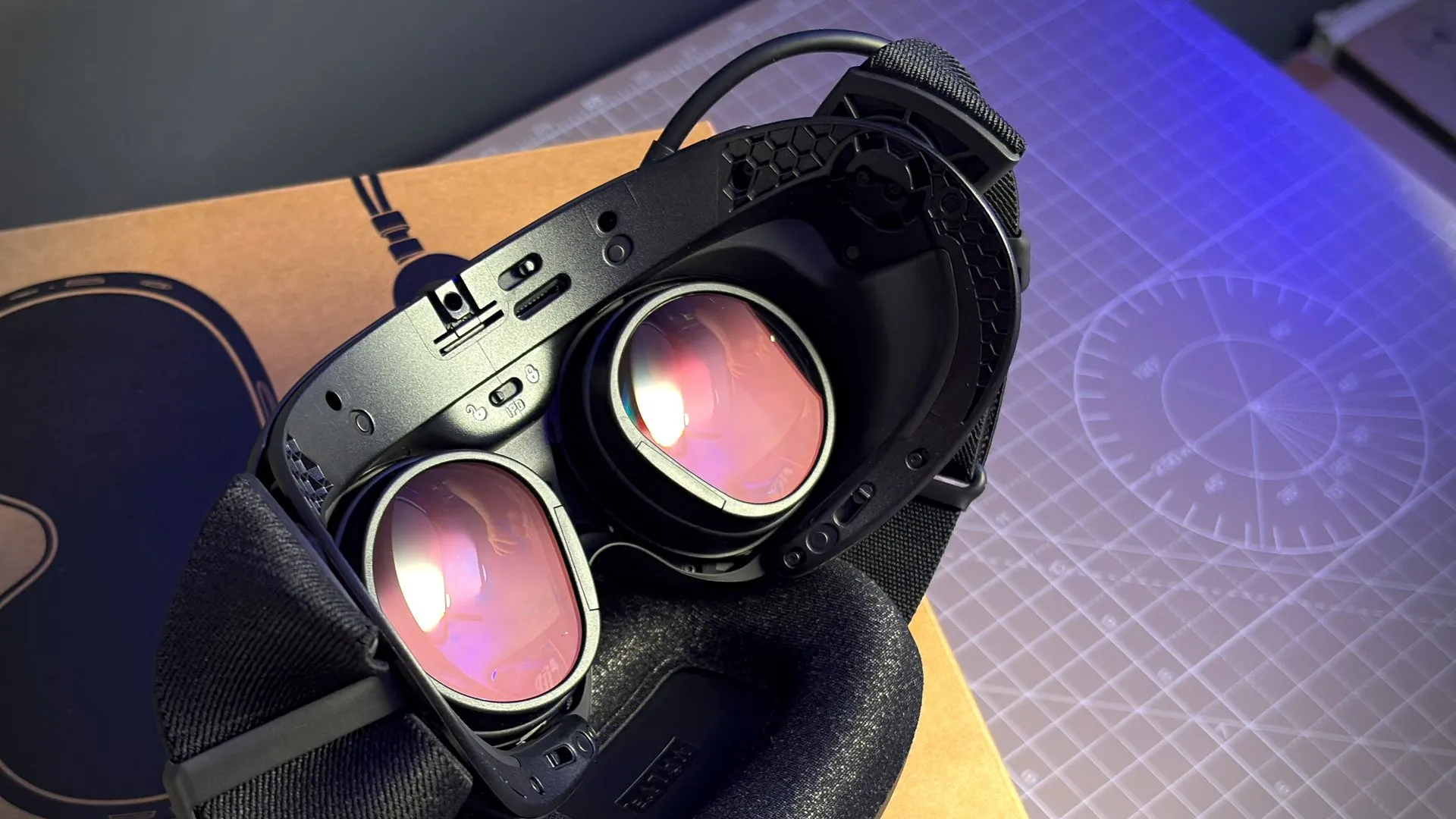
Steam Frame OLED references appear in the product source code. The mentions consist of branches labeled deckard-oled and deckard-plano. According to the source material, these entries were last edited in February and a few weeks ago respectively. The references indicate Valve has explored Micro-OLED panels for the modular headset. Hardware constraints including power draw, thermal management, and optics remain unresolved with the current Snapdragon 8 Gen 3 chipset. Brad Lynch noted that Micro-OLED integration would require a hot-swappable battery strap by default and could reduce field of view and motion clarity compared with the existing LCD model. This article examines the code findings, expert commentary, hardware trade-offs, and the modular ecosystem outlook.
October 19, 2026
4 min read
Source: ASHENVOW
What do the deckard-oled and deckard-plano branches reveal?
The source code contains two branches that reference OLED hardware. One branch focuses on Micro-OLED panels while the second addresses plano optics. Both sit inside the Deckard repository, the internal codename for the Steam Frame. The branches show Valve tested display swaps and associated firmware adjustments. No release timeline or product announcement accompanies the files. The edits predate the current LCD model launch by several months.
How do power and thermal limits affect an OLED version?
Micro-OLED panels increase power consumption compared with the LCD units now shipping. Brad Lynch observed that the 8 Gen 3 chipset would need pairing with the upcoming swappable battery headstrap to maintain usable session times. The same chipset already shows throttling during extended PCVR streaming sessions on comparable devices. Additional cooling would also be required inside the core module. These factors together indicate that a simple panel swap is not feasible without further hardware revisions.
Optics and visual trade-offs
Micro-OLED panels deliver higher contrast and pixel density. The narrower field of view and reduced motion clarity that accompany the change would shift the headset emphasis away from fast-paced VR gaming. Spatial computing and desktop productivity tasks could benefit instead. Valve has already built enough FrameOS support for Linux-based spatial applications, though the software layer remains incomplete.
Why does Reddit speculation overlook development realities?
Users on r/SteamFrame discussed canceling reservations in hopes of an OLED model. Comments referenced repeated long waits and compared the situation to a second waitlist. The source material shows no evidence of an imminent product. Valve engineers previously stated that code leaks usually result from accidental file commits rather than planned announcements. Splitting engineering resources between two headset variants shortly after launch would strain the small team already addressing software stability.
What modular upgrades are already confirmed or possible?
The Steam Frame design supports component swaps. An updated strap with off-ear speakers and replaceable batteries is under development. Third-party CAD files allow users to create custom accessories today. Future modules could include improved cameras or alternative display units once power and thermal issues are solved. Valve has not confirmed any OLED module release date.
When might a production OLED model appear?
Brad Lynch suggested that Valve would benefit from waiting for a newer compute module before committing to Micro-OLED panels. The current 8 Gen 3 solution shares limitations with the Samsung Galaxy XR chipset, which also throttles under load. An upgraded silicon platform would better support the higher demands of OLED displays. No schedule exists in the source material, and the author expressed hope that any such prototype remains further in the future.
FAQ: Steam Frame OLED
Are the code references proof of an upcoming product?
The branches demonstrate internal experimentation only. They contain no shipping timeline or marketing assets. Similar references have appeared in past Valve projects without resulting in immediate hardware releases.
Will canceling a reservation speed up an OLED model?
Reservation volume does not alter Valve engineering priorities. The company has historically maintained low-volume, high-iteration development cycles independent of pre-order counts.
Does Micro-OLED improve every use case?
Higher contrast benefits media consumption and spatial interfaces. Reduced field of view and motion clarity make competitive VR gaming less optimal than the current LCD configuration.
Can users upgrade the display themselves?
The modular core allows physical swaps in theory. No official OLED module or firmware support package has been released, and power delivery changes would still be required.
Is the software ready for dual hardware variants?
FrameOS remains under active development with known stability issues. Maintaining two display pipelines simultaneously would increase support overhead at a time when core functionality is still being stabilized.
Key takeaways
Steam Frame source code contains deckard-oled and deckard-plano branches last edited months ago. Micro-OLED integration requires new optics, higher power capacity, and improved thermal design. The Snapdragon 8 Gen 3 chipset shows throttling limits during streaming workloads. Brad Lynch recommends waiting for a newer compute module before pursuing OLED hardware. Valve engineers attribute most code leaks to accidental commits rather than deliberate signals. The modular architecture supports future accessory development including swappable batteries and custom straps.
Outlook for Steam Frame hardware evolution
The existing LCD model positions the Steam Frame as a device for the full Steam library rather than VR exclusives alone. Any OLED revision would shift that balance toward visual fidelity at the expense of gaming-oriented specifications. Continued software refinement on the current platform remains the nearer-term priority according to the analysis in the source. Future modules will likely arrive incrementally as individual constraints are resolved.



