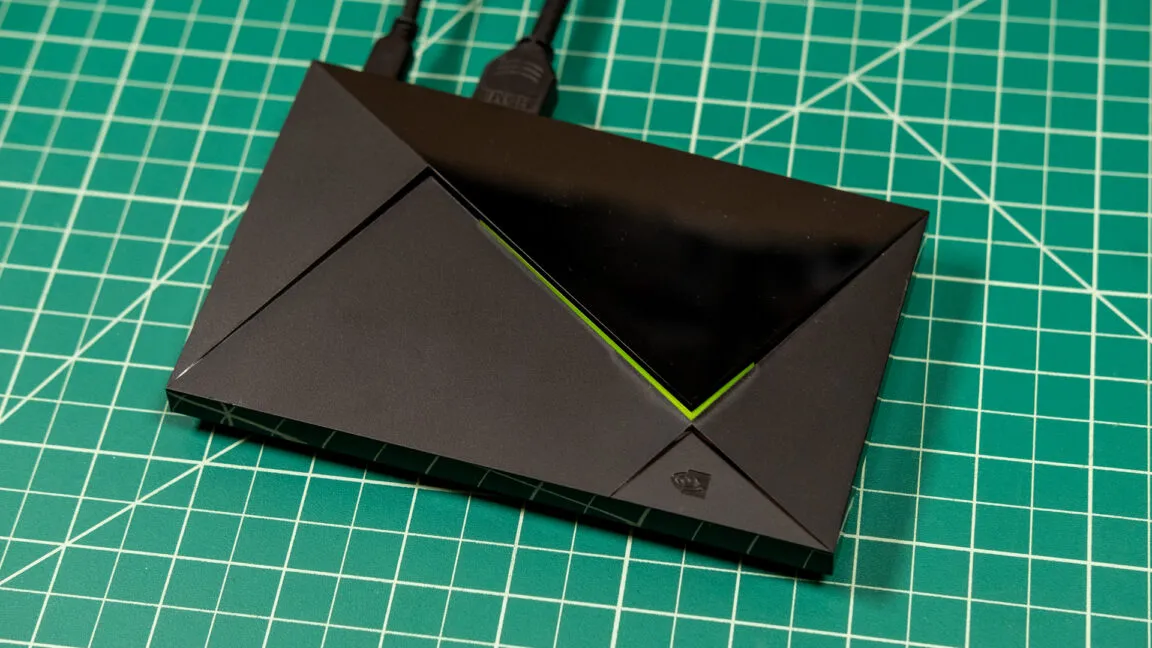
Why is the Nvidia Shield TV Pro price increasing now?
The Nvidia Shield TV Pro price increase is a direct response to the escalating costs of semiconductor components required for manufacturing. Effective October 2, 2026, the price of the Pro model rose to $299.99, a substantial climb from its original launch price of $199.99 in 2019. Nvidia has explicitly attributed this change to the broader economic shifts caused by the generative AI era.
A spokesperson for Nvidia confirmed to Ars Technica that the cost of critical components, including memory, has seen a significant upward trend across the entire technology industry. Because the Shield TV Pro relies on these specific parts to function, Nvidia can no longer maintain the previous price point while remaining profitable. This shift highlights a new reality in 2026: any device requiring memory or storage is increasingly vulnerable to price volatility driven by AI demand.
The impact is felt even on hardware that is several generations old. While the Shield TV Pro has been a staple for media enthusiasts since its debut, it is not shielded from the modern reality that if a device has memory or storage, it is subject to the unwritten rule of rising costs. This price hike marks a significant departure from the device's original value proposition, moving it from a mid-range enthusiast box to a high-end premium peripheral.
The role of memory and storage in AI-driven inflation
In the current technological landscape, memory and storage are no longer just standard commodities for consumer electronics; they have become strategic assets for AI development. As companies race to build massive data centers and scale large language models, the demand for high-bandwidth memory and high-capacity storage has skyrocketed. This competition for raw materials and fabrication capacity creates a trickle-down effect that impacts even legacy devices like the Shield TV Pro.
While the Shield TV Pro utilizes the aging Tegra X1+ processor, its reliance on memory means it cannot escape the supply chain constraints currently affecting modern smartphones and computers. Without a massive stockpile of pre-AI hardware to draw from, Nvidia must source components at current market rates, which have been pushed higher by the global pursuit of AI hyperscaling. This creates a situation where even older architectures are forced to compete for the same expensive silicon as the latest AI accelerators.
This supply chain tension suggests that the cost of "intelligence" in modern computing is being subsidized by the rising prices of consumer hardware. As long as the generative AI boom continues to prioritize high-performance memory for training and inference, the cost of basic storage and memory for consumer-grade devices is likely to remain elevated, leaving older product lines caught in the crossfire.
Nvidia's dual role in the market shift
Nvidia finds itself in a unique position regarding this price hike. While the company is dealing with the fallout of rising component costs, it is also one of the primary drivers of the current market conditions. As a leading provider of the AI accelerators and GPUs that power the generative AI revolution, Nvidia has become one of the most valuable firms in the world.
In an earlier interview, Nvidia's Andrew Bell described the Shield as a "passion project" for the company. However, the recent price adjustment suggests that even passion projects must adhere to the economic realities of the current supply chain. Although Nvidia continues to actively manufacture the Shield and sells every unit it produces, the company is not immune to the costs associated with the very technology it helped popularize. The company is not a victim of these shifts so much as a central participant in the industry-wide move toward AI-centric hardware.
This duality creates a complex narrative for the company. On one hand, Nvidia is reaping the rewards of the AI explosion, becoming a global economic powerhouse. On the other, its legacy consumer products are being pushed into higher price brackets because the very components that fuel its growth are becoming more expensive for everyone. This tension between high-margin AI enterprise business and consumer-facing hardware is becoming a defining characteristic of Nvidia's current business model.
A broader trend in hardware pricing
The $100 increase for the Shield TV Pro is not an isolated incident; it reflects a wider trend seen across the gaming and consumer electronics sectors. As component costs rise, manufacturers are increasingly passing those expenses on to the consumer. Game consoles have been particularly susceptible to these inflationary pressures.
For example, the PlayStation 5 Pro has seen a significant price jump since its launch, moving from $699.99 in 2024 to $899.99 today. This pattern of products launching at higher prices than their predecessors, or becoming more expensive during their actual lifecycle, is becoming a standard feature of the 2026 hardware market. Consumers are finding that the era of stable, long-term pricing for electronics is being disrupted by the intense demand for AI-capable silicon.
This trend suggests a fundamental shift in how hardware is valued and priced. In previous decades, hardware prices tended to decline over time as manufacturing matured and economies of scale were achieved. In the era of generative AI, however, the scarcity and high demand for critical components like memory and specialized silicon are reversing that trend, leading to a market where even aging hardware becomes more expensive to produce and purchase.
Is the Shield TV Pro still worth the premium?
At the new $299.99 price point, the Shield TV Pro occupies an even more niche position in the market. For the average user who simply wants a reliable way to stream Netflix or other mainstream services, there are much cheaper ways to satisfy that need in 2026. The device's specialized features are what define its value proposition, but those features come at a high cost.
The Shield remains a powerful tool for enthusiasts due to its extensive codec support and its ability to function as a Plex server. For users who require high-end hardware decoding for almost any type of media, the Tegra X1+ processor—while aging—remains fast enough for high-quality streaming. However, for the general consumer, the price hike may make the device less appealing than more affordable streaming alternatives.
Currently, while the Shield remains out of stock on Nvidia's own store, it is available at the new price through retailers like Best Buy. The slim stock levels seen in recent months suggest that manufacturing these units has become difficult due to the rapidly rising costs of the necessary components. For those who need the specific capabilities of the Shield, the decision now rests on whether those niche features justify a $300 investment in 2026.
Key Takeaways
- The Nvidia Shield TV Pro price increased from $199.99 to $299.99 on October 2, 2026.
- Nvidia attributes the price hike to the increased cost of components, specifically memory, driven by the generative AI era.
- The price increase reflects a broader industry trend where AI demand for memory and storage is driving up costs for all electronics.
- While the Shield is a "passion project," it is subject to the same supply chain constraints as modern smartphones and computers.
- The device remains a niche product best suited for users needing specific codec support or Plex server capabilities.
Frequently Asked Questions
Why did the price of the Nvidia Shield TV Pro go up?
Nvidia stated that the cost of components, including memory, has increased substantially across the industry due to the demands of the generative AI era.
Is the non-Pro version of the Shield still available?
The non-Pro variant of the Shield, which originally launched at $149.99, has been discontinued.
What makes the Shield TV Pro different from cheaper streamers?
The Shield TV Pro offers extensive codec support and Plex server capabilities, making it more suitable for advanced media enthusiasts than standard streaming sticks.
Where can I buy the new Shield TV Pro?
While currently out of stock on Nvidia's official store, it is available at the new $299.99 price at Best Buy.