
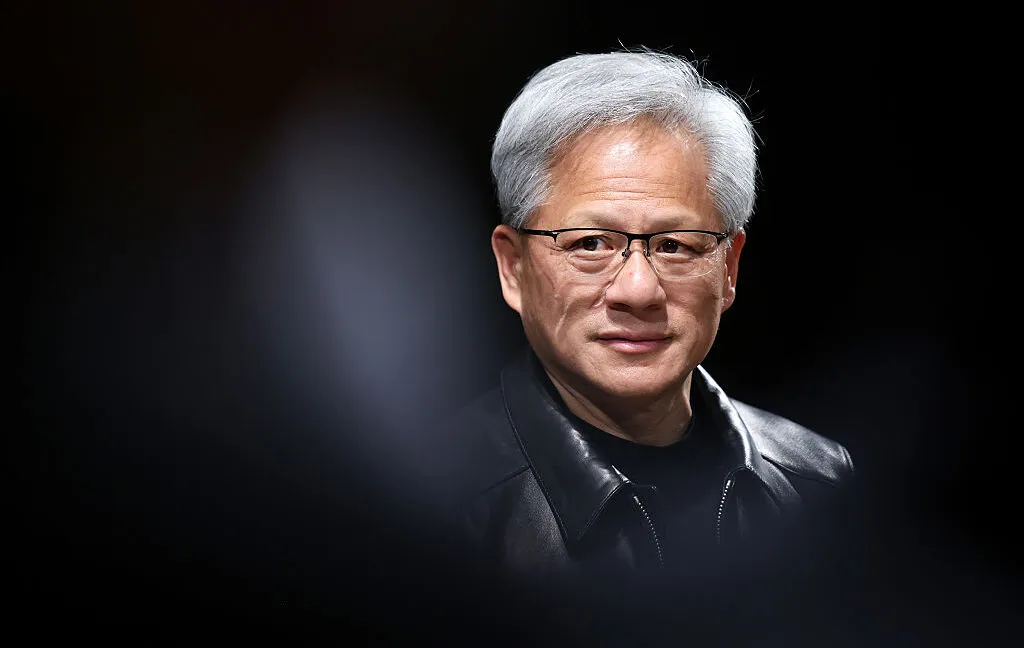
Nvidia CEO Jensen Huang summoned over China spying fears
Nvidia CEO Jensen Huang has been summoned by top Republican lawmakers to address potential national security risks following reports of Chinese espionage targeting him. US intelligence officials believe Huang has been the subject of a Chinese spying operation, raising questions about the security of sensitive US technology. The chairs of the House committees on China, foreign affairs, and intelligence have requested his appearance at a joint closed-door briefing scheduled for November 18, 2026, to investigate the extent of potential PRC infiltration into cutting-edge American technology sectors.
November 10, 2026
4 min read
Source: ASHENVOW
Congressional summons and the scope of the investigation
Top Republican lawmakers have formally requested that Nvidia CEO Jensen Huang appear before a joint closed-door briefing on November 18, 2026. This summons comes from the chairs of three significant House committees: China, foreign affairs, and intelligence. The lawmakers are seeking clarity on whether the People’s Republic of China (PRC) has gained unauthorized access to sensitive US technological information through targeted operations against high-level executives.
In a written communication to Huang, representatives John Moolenaar, Brian Mast, and Rick Crawford emphasized the gravity of the situation. They stated that recent reports have raised "significant national security concerns regarding the People’s Republic of China’s access to sensitive US technology and information." The committee members noted that investigating PRC infiltration into critical US technology is a core priority for their respective committees during the current Congress. Their stated objective is to determine the specific degree to which US national security may have been compromised by these alleged activities.
The role of the House committees
The involvement of the House committees on China, foreign affairs, and intelligence suggests a multi-faceted approach to the investigation. While the China committee focuses on the geopolitical implications of technological theft, the foreign affairs and intelligence committees are tasked with assessing the broader impact on international relations and the specific methods used by foreign intelligence services to target American corporate leaders. The closed-door nature of the requested briefing indicates that the information being discussed likely involves classified intelligence or sensitive methods of operation.
Intelligence concerns regarding Megaspeed and Alice Huang
The central focus of the espionage allegations involves a connection between Jensen Huang and Alice Huang, an executive at the Singapore-based cloud company Megaspeed. According to reporting by The New York Times, US intelligence officials believe that the Nvidia CEO was specifically targeted by a Chinese spy operation involving this individual. Megaspeed, which has purchased billions of dollars worth of Nvidia chips, has become a focal point for investigators looking into how Chinese interests might access advanced semiconductor technology.
Megaspeed was founded in 2023 as a spin-off from a Chinese gaming company. The company has previously faced scrutiny from US authorities regarding potential chip smuggling, though no formal charges were filed following those inquiries. The connection between a high-level executive at a major chip customer and alleged intelligence assets has created a significant point of friction between Nvidia's business operations in Asia and US national security mandates.
The profile of Megaspeed
Megaspeed's rapid ascent in the cloud computing sector has placed it under the microscope of US regulators. As a Singapore-based entity with Chinese origins, it represents a complex node in the global semiconductor supply chain. The company's massive capital expenditure on Nvidia hardware makes it a critical partner for the chipmaker, yet its historical ties to the Chinese gaming industry provide the basis for the intelligence community's suspicion regarding its role in technology diversion.
Nvidia's response and security protocols
Nvidia has rejected the claims regarding espionage and has not confirmed whether Jensen Huang will attend the November 18 briefing. The company defended the CEO's interactions with clients, noting that meeting with customer executives is a standard requirement of his role. Nvidia stated that "Jensen talks with thousands of customer executives every year" and emphasized that these meetings involve ordinary business information rather than sensitive trade secrets or data relevant to national security.
To address the concerns regarding executive safety, Nvidia highlighted the robust security measures currently in place. The company noted that its chief executive is accompanied by an "outstanding security team" during his travels. Furthermore, Nvidia expressed confidence in its relationship with the US government, suggesting that if the government believed any individual posed a direct threat to US industry, the company would have been formally notified. Nvidia maintains that it frequently receives updates from Washington concerning individuals of concern.
Internal investigations and findings
In response to the intelligence concerns, Nvidia took proactive steps by launching unannounced on-site inspections at Megaspeed's facilities in Singapore. According to people familiar with the matter, this internal probe was initiated once the company became aware of the US intelligence concerns. However, the investigation concluded that there was no evidence to suggest that Nvidia's chips were being diverted into China through Megaspeed's operations.
Supply chain vulnerabilities and chip smuggling risks
The scrutiny surrounding Nvidia's leadership occurs against a backdrop of increasing difficulty in enforcing US export controls. As the US government implements stricter regulations to prevent advanced AI chips from reaching China, the risk of illicit smuggling has risen. The semiconductor supply chain is currently under intense pressure as various actors attempt to bypass these legal restrictions to acquire high-performance computing hardware.
Recent legal actions underscore the volatility of this environment. Earlier this year, Wally Liaw, a co-founder of Supermicro—a key supply chain partner for Nvidia—was arrested in the United States. Liaw was charged with smuggling Nvidia chips into China, an allegation he denies. He has pleaded not guilty to the charges, but the case highlights the legal risks faced by companies and individuals operating within the high-stakes semiconductor trade between the US and China.
| Entity/Individual | Relationship to Nvidia | Status/Context |
|---|---|---|
| Alice Huang | Executive at Megaspeed (Customer) | Alleged target of Chinese espionage |
| Megaspeed | Major Cloud Customer | Previously scrutinized for potential smuggling |
| Wally Liaw | Co-founder of Supermicro (Partner) | Charged with smuggling Nvidia chips; pleaded not guilty |



