
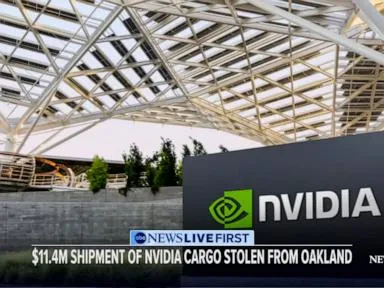
Nvidia cargo theft: $11.4M shipment stolen in Oakland area
An $11.4M shipment of Nvidia computer hardware was stolen during a sophisticated heist in Oakland. The theft targeted high-value semiconductor components, which experts have categorized as a highly organized operation rather than a random act of opportunism. This incident highlights the increasing vulnerability of semiconductor logistics to specialized criminal groups. While the full extent of the operational details remains under investigation, the scale of the loss underscores the immense value currently carried by hardware shipments in the global AI and computing supply chains.
November 9, 2026
3 min read
Source: ASHENVOW
The scale of the $11.4M Nvidia cargo theft
The theft of an $11.4 million shipment of Nvidia hardware in Oakland has been characterized by experts as a sophisticated cargo heist. Unlike standard vehicle thefts, this operation specifically targeted high-value semiconductor assets, suggesting a level of planning designed to exploit the logistical movement of critical computing components. The sheer value of the stolen goods indicates that the perpetrators possessed specific intelligence regarding the shipment's contents and route.
The loss of such a significant volume of hardware represents more than just a financial hit to the supply chain; it reflects a targeted strike against the infrastructure of the modern computing industry. As Nvidia continues to dominate the market for AI-capable hardware, its shipments have become prime targets for organized criminal elements capable of executing complex logistical interceptions.
Targeting high-value semiconductor assets
The precision required to identify and intercept a shipment of this magnitude suggests that the thieves were not merely looking for any cargo, but specifically sought out Nvidia's proprietary or high-demand hardware. This type of theft often involves intelligence gathering regarding transit schedules and security protocols, making it a significant challenge for logistics providers to mitigate.
Expert analysis of the Oakland cargo heist
Experts describing the incident have labeled the event a "sophisticated cargo heist," distinguishing it from lower-level criminal activity. This distinction is critical because it implies the use of coordinated tactics, such as disabling tracking systems, intercepting transport vehicles at vulnerable transition points, or using fraudulent documentation to divert the cargo. In the context of Oakland's logistics hubs, such specialized heists pose a recurring threat to the security of global technology flows.
The complexity of the theft suggests several operational possibilities that investigators are likely examining:
- Pre-meditated interception: The use of intelligence to identify the exact moment and location where the shipment would be most vulnerable.
- Logistical manipulation: The potential use of insider information or compromised digital logistics data to track the movement of the Nvidia hardware.
- Advanced evasion: The use of specialized vehicles or routes to move the $11.4M worth of cargo before law enforcement could respond.
Implications for the technology supply chain
The theft of high-end computer hardware has broader implications for how technology companies manage the security of their global distribution networks. When shipments worth tens of millions of dollars are successfully diverted, it forces a re-evaluation of the security measures applied to the "last mile" and transit phases of the supply chain. For companies like Nvidia, whose products are central to the global AI race, the security of their hardware is a matter of both economic and strategic importance.
| Theft Detail | Information Provided |
|---|---|
| Estimated Value | $11.4 Million |
| Primary Target | Nvidia Hardware |
| Location | Oakland, California |
| Heist Classification | Sophisticated Cargo Heist |
The vulnerability of these shipments is compounded by the high resale value of Nvidia components on the secondary market, which can include both legitimate gray markets and illicit channels used to fund further criminal operations. This creates a continuous cycle of demand for stolen high-tech goods.
Security challenges in major logistics hubs
Oakland serves as a critical node in international trade, making it a focal point for both legitimate commerce and sophisticated criminal activity. The ability of a group to execute an $11.4M heist in such a high-traffic area demonstrates a significant gap in current cargo protection strategies. As hardware becomes more valuable and specialized, the methods used to steal it are evolving in tandem with the technology itself.
The incident serves as a warning to the broader technology sector that the physical security of hardware is just as vital as the digital security of the software it runs. Protecting the movement of goods through major ports and transit hubs requires a multi-layered approach that combines real-time tracking, enhanced physical security, and rigorous vetting of all personnel involved in the transport process.



