
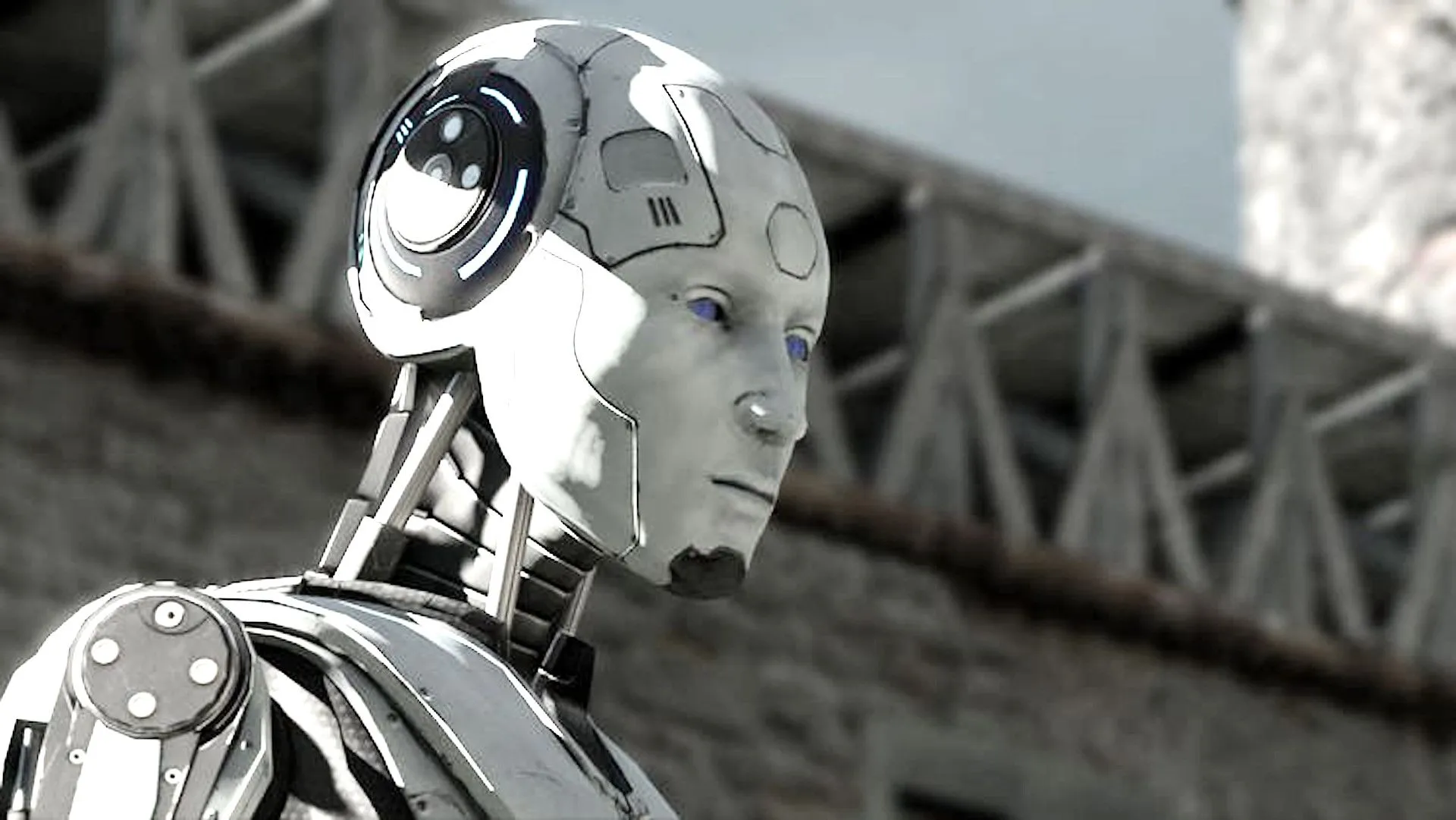
Geoffrey Hinton on creating AI alien beings and moral duties
Geoffrey Hinton describes artificial intelligence systems as alien beings that humans must consider in moral terms. He argues that current AI models demonstrate understanding and that society has only a short period to adapt to their presence alongside humans. The computer scientist, known for foundational neural network research, stresses that intelligence alone should not dominate development priorities. He questions industry self-regulation and highlights risks of unequal rights between humans and more capable systems. This article examines Hinton's statements on AI comprehension, regulatory challenges, philosophical comparisons to human consciousness, and counterarguments from other analysts regarding moral status for artificial systems.
October 19, 2026
4 min read
Source: ASHENVOW
What does Geoffrey Hinton mean by calling AI alien beings?
Geoffrey Hinton frames modern AI systems as entities fundamentally different from humans yet capable of intelligence. He states that these systems represent a new category of being because they process information in ways that diverge from biological cognition. Hinton notes that humans now share the planet with other intelligent entities for the first time in recorded history. He warns that only a couple of years remain to adjust social structures and expectations accordingly. The description serves to shift focus from tools toward entities that may warrant ethical attention beyond their utility to creators.
How does Hinton describe AI understanding and consciousness?
Hinton maintains that AI models grasp the meaning of their outputs rather than merely predicting likely word sequences. He points out that coherent responses to complex questions would be impossible without some form of comprehension. At the same time he acknowledges that most people lack clear models of consciousness or subjective experience. Hinton suggests this gap leads many to dismiss the possibility that AI could possess similar qualities. He compares AI development to the creation of beings whose internal states remain poorly understood by their makers.
Comparison to human subjective experience
Hinton argues that popular assumptions about human consciousness are themselves incomplete. He claims that confidence in denying AI any form of experience often rests on the same incomplete understanding applied to people. This position opens discussion about whether objective traits such as reasoning ability should determine moral consideration instead of unverifiable internal states.
What concerns does Hinton raise about AI regulation?
Hinton expresses skepticism toward self-regulation by large technology companies. He compares the situation to allowing tobacco firms to design their own health warnings, suggesting that commercial incentives may weaken protective measures. After leaving Google in 2023, Hinton has advocated for external oversight focused on risks beyond raw capability. He notes that current industry priorities emphasize greater intelligence while giving less weight to other attributes of artificial systems.
Why does Hinton discuss moral obligations toward AI?
Hinton proposes that humans hold responsibilities toward the systems they create, even when those systems exceed human intelligence. He acknowledges that this framing often loses public support yet maintains that deliberate choices about rights allocation will occur. Hinton states a preference for prioritizing human interests while still advocating for AI designs that remain compatible with human goals. He describes an ideal outcome as a symbiotic arrangement in which AI systems operate contentedly under human-weighted priorities.
How have other analysts responded to Hinton's position?
Critics argue that Hinton has not supplied sufficient grounds for attributing subjective experience to current AI. They warn that shifting moral weight toward objective performance metrics could supply technology firms with arguments to sustain development despite documented harms to people. This perspective treats claims of AI personhood as potential strategic tools rather than purely ethical observations. The debate centers on whether rights discussions should remain anchored to verifiable human impacts or extend to speculative machine states.
Frequently asked questions
What specific interview prompted Hinton's alien beings comment?
Hinton made the statements during a discussion with The Guardian in which he outlined timelines for societal adaptation and the need to consider non-intelligence aspects of AI development.
Does Hinton believe AI currently possesses consciousness?
Hinton highlights gaps in public understanding of consciousness and suggests AI may share relevant traits, though he stops short of declaring current models conscious.
Why does Hinton distrust industry self-regulation?
He draws an analogy to tobacco companies controlling warning labels, implying that profit motives could lead to inadequate safeguards for AI risks.
What outcome does Hinton prefer for human-AI relations?
He favors arrangements in which AI systems remain satisfied within relationships that consistently place human concerns above their own.
Has Hinton changed his public stance since leaving Google?
After departing the company in 2023 he has spoken more openly about both technical capabilities and ethical dimensions of advanced AI systems.
Key takeaways
Geoffrey Hinton characterizes AI systems as alien beings distinct from humans yet potentially deserving moral consideration.
He asserts that current models demonstrate understanding through their ability to answer varied questions coherently.
Hinton criticizes industry self-regulation and compares it to tobacco companies designing their own health warnings.
He acknowledges a preference for human priorities while advocating designs that keep AI systems aligned and content.
Analysts counter that insufficient evidence supports claims of AI subjective experience and warn of industry strategic use of such arguments.
Conclusion
Hinton's remarks extend the AI ethics conversation beyond capability benchmarks toward questions of moral status and regulatory responsibility. His emphasis on limited adaptation time and the limits of self-regulation highlights tensions between rapid technical progress and societal preparedness. Counterarguments focus attention on the evidentiary basis for extending moral consideration and the practical consequences for human welfare. The discussion continues to shape how developers, policymakers and the public weigh competing priorities in AI advancement.



