Wardogs Season 2 Blue Team Bribery Plan Scrapped by Bulkhead
Bulkhead Interactive has officially reversed its controversial decision to offer specific XP and cash incentives to the Blue team during Wardogs Season 2. The developer admitted that this experimental approach to player motivation backfired significantly. Instead of creating engagement, the bonuses caused an overwhelming shift in player dynamics that disrupted the competitive integrity of the game. By removing these advantages, the studio aims to restore a level playing field for all participants involved in the current season. This move follows intense community feedback regarding the unfair advantage provided to the Blue team.
October 19, 2026
5 min read
Source: ASHENVOW
Why was the Wardogs Season 2 Blue team bribery bonus removed?
Bulkhead Interactive scrapped the Blue team incentives because the rewards caused an overwhelming imbalance in player distribution and win rates. The original plan was designed as an experiment to bolster the numbers of the Blue team by offering a 5% Lonestar cash bonus and a 2.5% XP boost. While these percentages appeared modest on paper, they functioned as a powerful magnet for players seeking a competitive advantage.
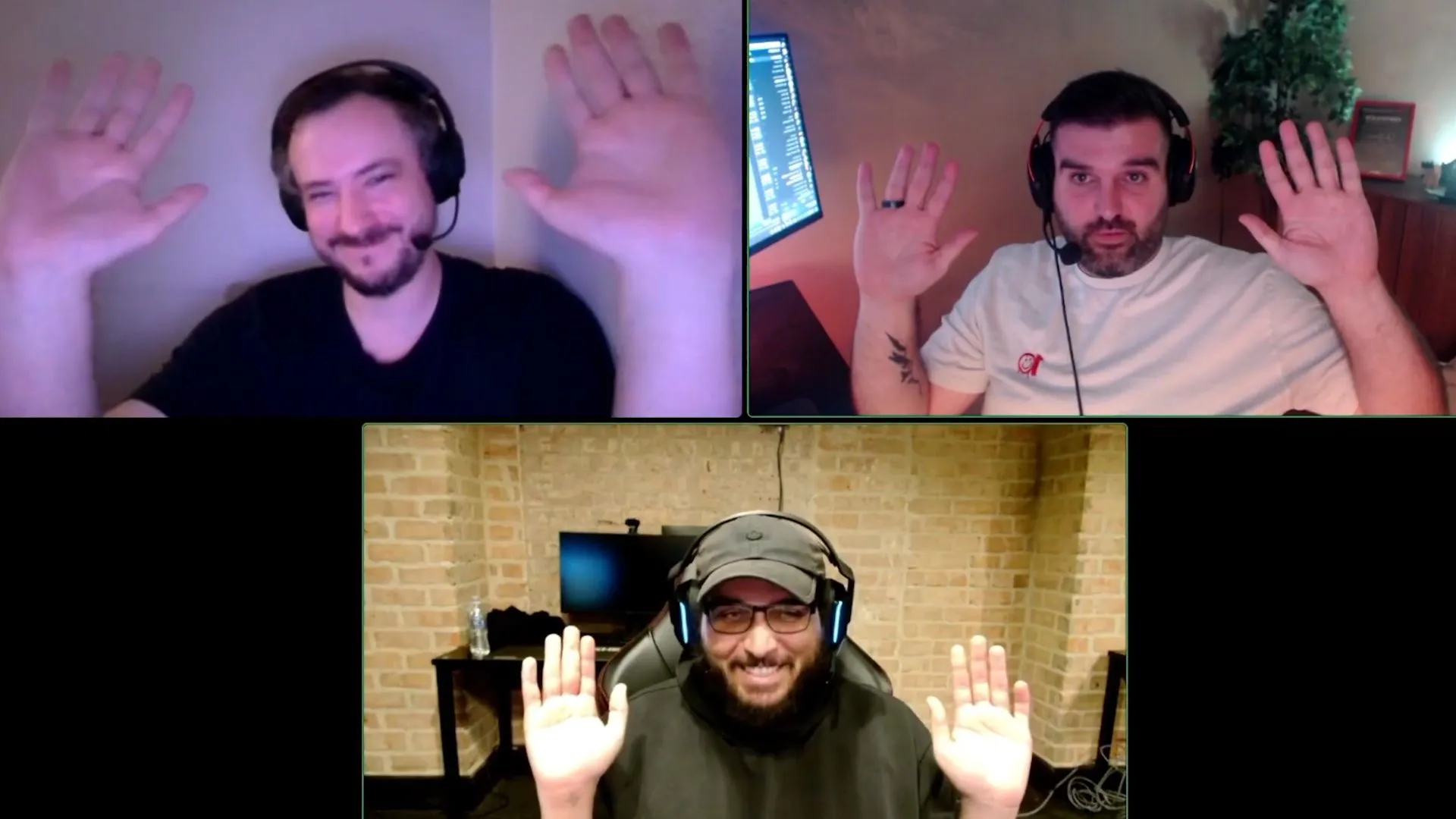
The primary issue was that the bonus worked too effectively, causing the Blue team to win "by far, the most," according to CEO Joe Brammer. This created a feedback loop where the incentives didn't just attract players; they fundamentally altered the competitive landscape of Season 2. Bulkhead co-founder Howard Philpott noted that while the studio anticipated some shift, they did not expect such a massive swing in team dynamics. Brammer has since admitted to the error, stating, "We were wrong. We fucked up," in a new video addressing the community.
The unintended consequences of incentivized play
The decision to use performance-based percentage boosts proved to be a critical miscalculation in game design. Because the bonuses were tied to XP and currency earned, they created a disproportionate advantage for high-skill players. This led to a situation where the competitive integrity of the matches was compromised, as the sheer volume of players gravitating toward the Blue team made the opposing side's path to victory nearly impossible.
The risk of using percentage-based boosts is that they are inherently performance-based, making them prone to spinning out of control. When these small mathematical edges are placed in the hands of the most dedicated players—often referred to as "tryhards"—the advantage compounds. This effectively turned a balancing mechanic into a tool for widening the gap between the elite and the casual player base, which is the opposite of what a healthy competitive ecosystem requires.
How did the bonus impact different player tiers?
The impact of the bribery bonus varied significantly depending on the player's skill level and engagement. While median or average players saw negligible benefits from the 2.5% XP and 5% cash increases, the advantages were magnified for the game's most dedicated participants. Bulkhead leadership observed that "top tier" players were experiencing significant boosts that allowed them to pull ahead of the rest of the player base at an accelerated rate.
This disparity created a tiered experience within the game. The most intense players leveraged these small mathematical advantages to cement their dominance. While the boost for the "median" player was not terribly substantial, the cumulative effect on the top tier was enough to disrupt the intended balance of the season.
What are the secondary effects of the Blue team imbalance?
Beyond the immediate win-loss ratios, the bribery bonus negatively impacted player retention and matchmaking stability. Howard Philpott indicated that the bonus was "impacting people joining games and starting games," suggesting that the imbalance was affecting the very start of the player experience. If players felt they could not join the more lucrative Blue team, they were likely to abandon the game entirely in favor of other titles.
This phenomenon highlights a major risk in live-service gaming: when a specific faction or team becomes mathematically superior, the social and mechanical friction can drive players away. The incentive didn't just change how people played; it changed whether they chose to play at all, as the desire to be on the "winning" or "rewarding" side outweighed the desire for a fair match.
Beyond the bribery: Backend updates and exploit fixes
While the removal of the Blue team bonus is the headline, Bulkhead is also using this period to address other technical issues. The studio is pushing a backend update that includes more than just the removal of the cash and XP bonuses. Key components of this update include driver progression fixes and a fix for a driver exploit that has been allowing players to access tanks much earlier than intended.
Bulkhead is taking a firm stance on those abusing the system. According to Brammer, there are fewer than 1,000 players "very clearly" taking advantage of the tank exploit. Those identified will face a 24-hour ban from the game, and their accumulated cash and XP will be wiped. Additionally, the studio has announced that "Limited Mode Servers," which will feature no power weapons or vehicles, are coming soon to provide a different gameplay experience.
Despite the controversy surrounding the bribery plan, Brammer noted that other rebalancing efforts have been successful. Specifically, the introduction of new spawns on the Bakurani map has proven effective and will remain part of the game's ecosystem. This suggests that while the incentive-based approach failed, the map-based rebalancing achieved its intended goals.
Conclusion
The Wardogs Season 2 experience serves as a cautionary tale regarding the use of direct incentives in competitive environments. What began as an experiment to balance team numbers quickly spiraled into a tool that favored the elite and disrupted the player base. However, by "holding their hands up" and admitting the mistake, Bulkhead Interactive is attempting to course-correct through backend updates and stricter enforcement against exploits. As the studio moves forward, the success of the Bakurani map changes and the upcoming Limited Mode servers will likely determine if they can restore the competitive balance they originally sought.
Frequently Asked Questions
Why did Bulkhead Interactive remove the Blue team bonus?
The bonus caused an extreme imbalance where the Blue team was winning significantly more than other teams, and it disproportionately benefited top-tier players while affecting player retention.
What were the specific Blue team bonuses?
The bonuses consisted of a 5% Lonestar cash bonus and a 2.5% XP boost for players on the Blue team.
How is Bulkhead handling the tank exploit?
Bulkhead is fixing the exploit and issuing 24-hour bans along with cash and XP wipes for the fewer than 1,000 players identified as clearly abusing it.
Key Takeaways
- Bulkhead Interactive scrapped the Blue team XP and cash bonuses after they caused significant competitive imbalance.
- The bonuses disproportionately benefited "top tier" players despite being small percentages.
- The imbalance negatively impacted player behavior, including how players join and start games.
- Bulkhead is implementing backend fixes for driver progression and a tank-access exploit.
- Players caught exploiting the tank system face 24-hour bans and resource wipes.