The Legend of Zelda: Ocarina of Time remake: A superb update?
The Legend of Zelda: Ocarina of Time remake arrives on the Nintendo Switch 2, bringing a 1998 masterpiece into the modern era. This remake features vastly improved textures, streamlined combat mechanics, and updated navigation tools while maintaining the core narrative of Link's journey through Hyrule. While it preserves the soul of the original, the title introduces significant changes to camera systems and character interactions. This article examines the gameplay refinements, aesthetic shifts, and the overall impact of this high-production Nintendo remake.
November 8, 2026
5 min read
Source: ASHENVOW
How has the gameplay of Ocarina of Time been modernized?
The Legend of Zelda: Ocarina of Time remake implements several mechanical updates to align the 1998 classic with contemporary gaming standards. Nintendo has replaced the original camera system with a modern over-the-shoulder perspective, though it notably abandons the traditional top-down view during specific segments, such as sneaking into Hyrule Castle.
Movement and combat have received significant attention to reduce the friction felt in the original version. The introduction of dedicated jump and sprint buttons makes traversing Hyrule feel more intuitive. While the combat system remains more rigid than modern third-person titles like Elden Ring—lacking a simple right-stick target toggle—the remake introduces a much-needed quick menu for item management. This system, similar to those found in 2023's Tears of the Kingdom and 2024's Echoes of Wisdom, allows players to swap equipment on the fly without pausing the action.
Improved navigation and quality of life features
Navigating the complex world of Hyrule is assisted by several new quality-of-life improvements. A new "Threads of Time" quest log has been added to help players track their objectives, reducing the likelihood of getting lost in the narrative or the environment. This is particularly helpful for long-running tasks, though some legendary challenges, such as the Biggoron Sword quest, may still require external guides to navigate their intricate requirements. Furthermore, the infamous Water Temple—historically cited as one of the most frustrating levels in the series—is reported to be significantly more tolerable in this version.
What are the aesthetic and visual changes in the remake?
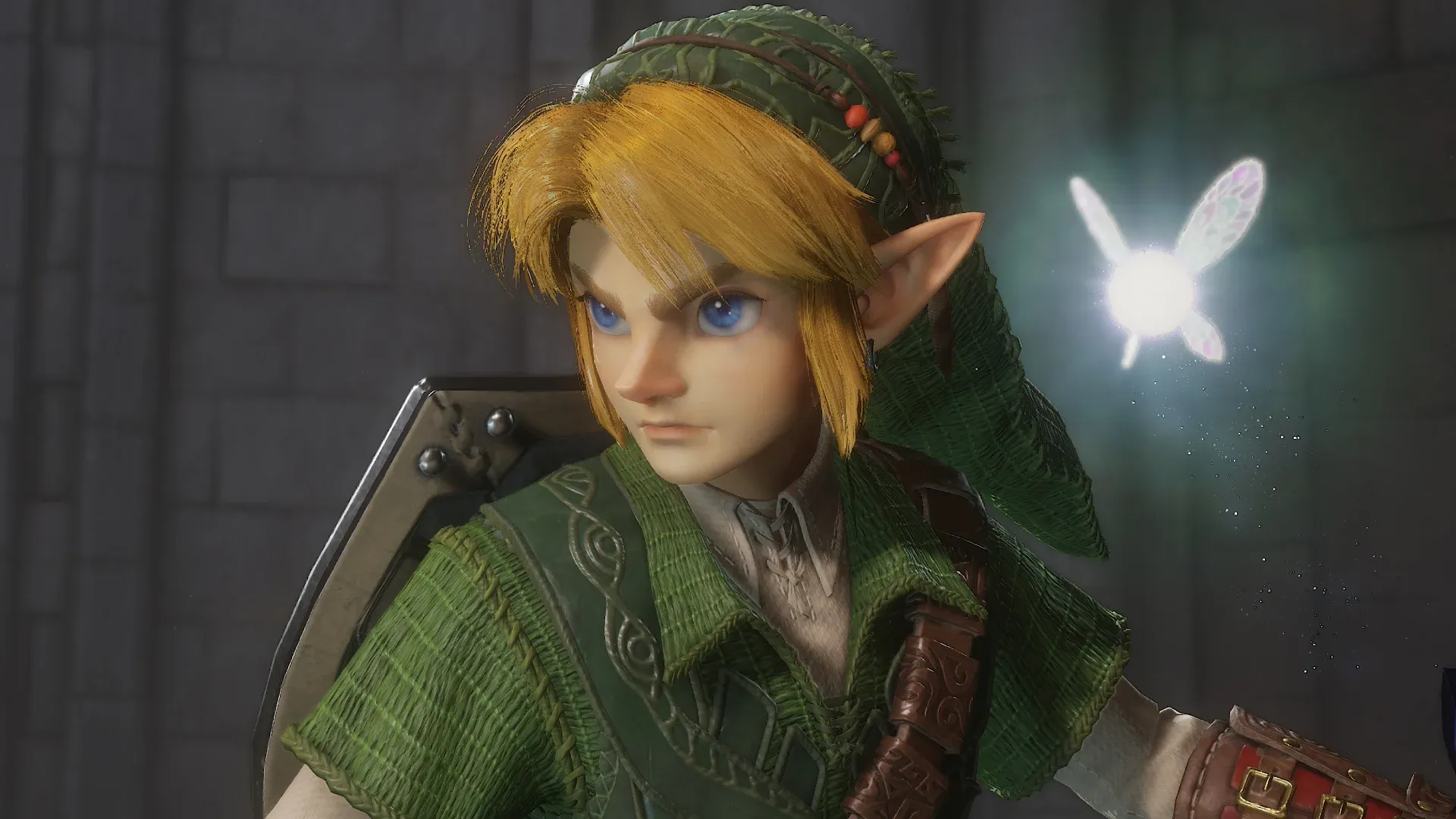
The visual overhaul is perhaps the most striking aspect of the remake, characterized by astonishingly ornate textures that aim to bring the world to life. However, these high-fidelity details occasionally clash with the game's established cartoony proportions, sometimes resulting in an "uncanny valley" effect. For instance, character models like Nabooru have undergone significant stylistic changes, appearing with much more exaggerated facial features and makeup than in the original release.
Animation depth has been greatly expanded, providing more fluid character movements and more expressive environments. While this adds to the immersion, the increased complexity of the new cutscenes can occasionally hinder the game's overall pacing, particularly during the opening hours. The remake seeks to balance these high production values with the whimsical art style that defined the original experience.
How does the remake alter the characters and narrative?
Nintendo has used this remake to smooth out the rougher social edges of the original game's characters, often softening their personalities to fit a more modern sensibility. This includes subtle rewrites of character motivations and behaviors to prevent them from feeling needlessly abrasive to modern players.
- Mido: Once a straightforward bully who blocked progress in Kokiri Forest, he is now portrayed as an overbearing but well-intentioned leader.
- Kaepora Gaebora: The guiding owl no longer repeats himself incessantly, a change that respects the player's time.
- Navi: The fairy companion has been tuned to be less intrusive, removing the repetitive "Hey! Listen!" prompts that characterized the 1998 version.
While these changes make the world feel more polished, some critics argue they risk eroding the unique, sometimes eccentric character that made the original so memorable. The remake essentially flattens the edges of the world to create a more seamless, less frustrating experience for new generations.
What is the impact of the new economic and control systems?
The remake introduces new ways to interact with the world, including hardware-specific features for the Nintendo Switch 2. Players can interact with the game's musical elements by pressing buttons or even humming directly into the console's microphone to play songs as Sheik. This adds a layer of physical immersion to the series' iconic musical mechanics.
However, the economic balance of Hyrule has also shifted. While the player's wallet capacity has doubled to accommodate modern playstyles, the cost of progression has increased. Great Fairy upgrades, which were previously free in the original, now carry a significant price tag, with some upgrades costing up to 500 rupees. This adds a layer of resource management that was not present in the 1998 version.
FAQ: The Legend of Zelda: Ocarina of Time remake
Is the remake available on platforms other than Switch 2?
As of the November 2026 release, the remake is specifically designed for the Nintendo Switch 2. It utilizes the new hardware's capabilities, such as the microphone for musical interactions, to enhance the experience of playing the classic title.
Does the remake change the story of Link and Zelda?
The core narrative remains faithful to the original tale of Link, Zelda, and Ganondorf. While character personalities like Mido have been subtly adjusted to be less abrasive, the fundamental journey from childhood to adulthood and the quest to save Hyrule remain intact.
Is the Water Temple still difficult in this version?
The Water Temple is notably more tolerable in the remake. While it still requires skill and navigation, the updated mechanics and quality-of-life improvements aim to mitigate the extreme frustration that players experienced in the 1998 original.
How does the item management work compared to the original?
The remake introduces a quick menu for item swapping, a feature seen in recent Zelda titles like Tears of the Kingdom. This allows players to change strategies mid-combat without the need to pause the game, offering a much faster pace than the original.
Are the graphics significantly different from the 1998 version?
Yes, the remake features highly detailed, ornate textures and more extensive animations. While this provides a modern look, some players may notice an "uncanny valley" effect where the high-detail textures clash with the game's original cartoony proportions.
Key takeaways
- The remake features an updated over-the-shoulder camera and a new quick-access item menu.
- New "Threads of Time" quest logs help players track objectives more effectively.
- Character personalities, such as Mido, have been softened to be more well-intentioned.
- Great Fairy upgrades now cost up to 500 rupees, introducing new economic challenges.
- The Switch 2 microphone can be used to play songs through humming or button presses.
Conclusion
The Legend of Zelda: Ocarina of Time remake serves as a polished, high-production bridge between two eras of gaming. By streamlining combat, updating the camera, and refining character interactions, Nintendo has ensured that this foundational title remains accessible to a new generation of players on the Switch 2. While it may not replace the raw innovation of the 1998 original, it acts as a safe and beautiful preservation of a masterpiece. It is a testament to the enduring power of Hyrule, ensuring the legend remains relevant for decades to come.