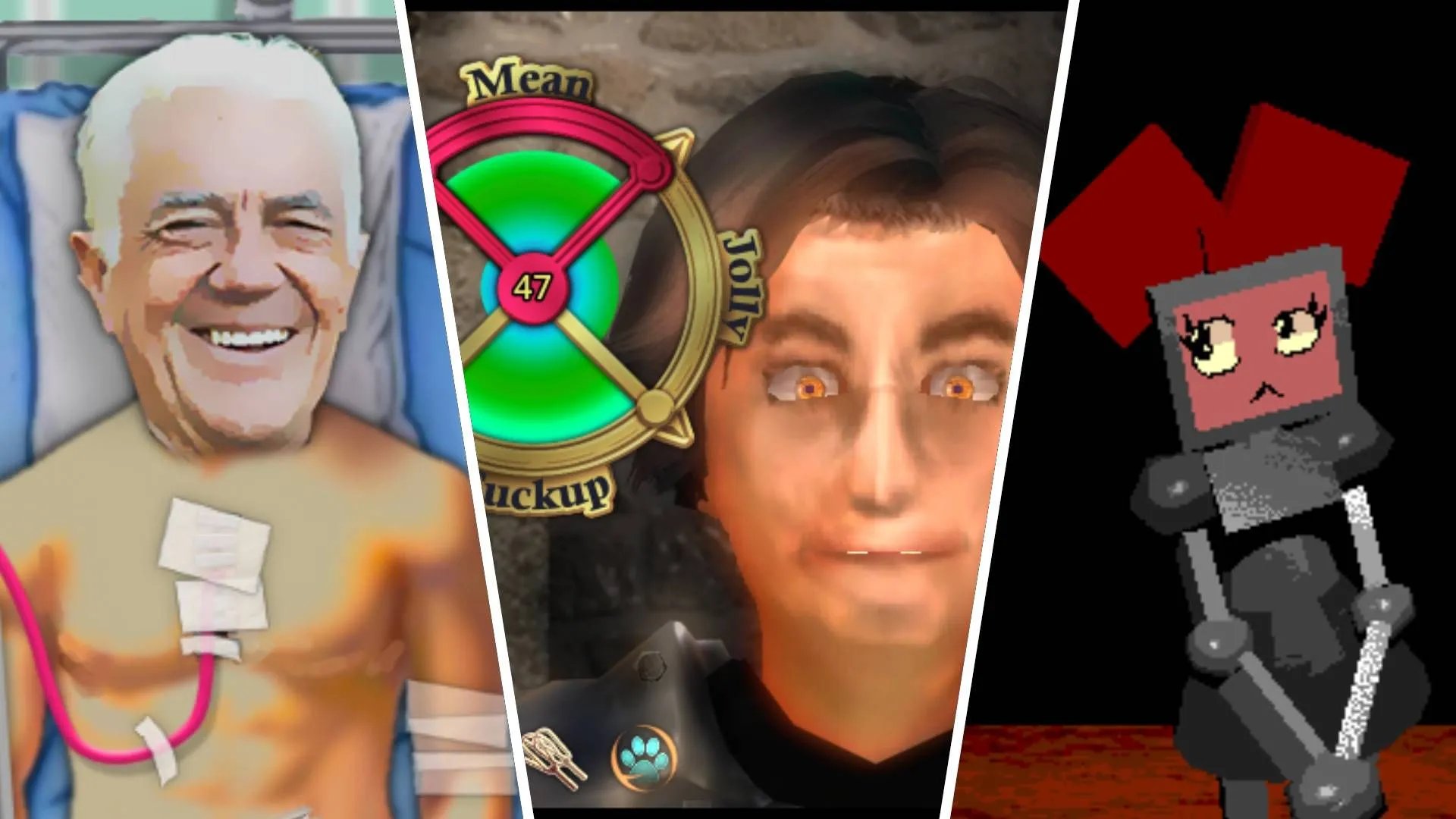
Volume.art: How 23 developers turned sliders into games
Volume.art is a free, browser-accessible microgame collection that reimagines the simple act of adjusting volume sliders through various creative lenses. Developed by a collaborative team of 23 creators, the project features 29 distinct mini-games that transform a standard UI element into a core gameplay mechanic. While the concept is unconventional, the collection offers a brisk, highly varied experience that can be completed in under an hour. This article examines the specific mechanics of the project, highlights standout developer entries, and explores why this microgame format serves as an ideal vehicle for themed game jams.
October 27, 2026
5 min read
Source: ASHENVOW
What is the core concept behind Volume.art?
Volume.art is a collection of 29 microgames that uses the manipulation of volume sliders as their primary interactive mechanic. Instead of traditional controls, players navigate diverse, abstracted scenarios where reaching a specific "volume level" is the objective. This unconventional approach turns a mundane user interface task into a source of surprise and comedic gameplay.
The project functions much like a browser-based version of the WarioWare series, characterized by rapid-fire transitions and highly varied art styles. Each microgame presents a unique challenge, often using humor or parody to engage the player. Because the games are designed around a single, shared constraint—the slider—the collection maintains a cohesive theme while allowing for massive creative divergence among the 23 participating developers.
The microgame format and player experience
The experience of playing Volume.art is described as brisk and smooth, with a full playthrough lasting just under an hour. This rapid pace is essential to the microgame genre, preventing the player from overthinking the mechanics and encouraging a more instinctive, reactionary style of play. The transition between games is designed to be seamless, fostering a sense of momentum that keeps the player engaged through the entire 29-game cycle.
Which developer entries stand out in the collection?
Several specific entries have gained attention for their clever use of genre parody and mechanical depth. Developer Akuma Kira, known for the title Lunacid, contributed multiple games that showcase how the volume mechanic can be applied to different atmospheric settings.
- "What's This About": A direct riff on the persuasion mechanics seen in the Elder Scrolls Oblivion series. Players must navigate a "lumpy potato man" through various social interactions, balancing honesty, humor, and cruelty to reach a specific likability threshold. The game even simulates a decay in persuasiveness, mimicking the high-stakes tension of classic RPG dialogue systems.
- "In the Zone": This entry shifts the tone toward survival horror, evoking the atmosphere of the STALKER series. Players must navigate a 3D environment using a Geiger counter, where the "volume" is represented by radiation levels, tasking the player with finding the highest intensity source within a small, open-ended space.
Other developers have utilized the slider to explore different emotional and mechanical landscapes, ensuring the collection does not feel repetitive despite its singular theme.
Parody and emotional depth through sliders
Beyond the survival and RPG parodies, the collection uses the slider to facilitate comedic storytelling. For instance, the game "Ctrl+Alt+Date" by Iodine parodies romance sidequests and dating simulators. By presenting players with absurdly deep dialogue choices—ranging from simple utterances to profound emotional declarations—the game uses the volume rocker as a tool to "woo" a digital partner, turning a mechanical adjustment into a narrative beat.
How does Volume.art compare to classic gaming experiences?
The gameplay of Volume.art evokes strong nostalgia for players familiar with both modern microgame collections and older web-based gaming eras. The rapid, high-intensity nature of the mini-games has drawn comparisons to the WarioWare franchise, where players must react quickly to changing stimuli.
Some players have also noted the aesthetic and functional similarities to the era of Flash games. This comparison stems from the accessible, browser-based nature of the project and its ability to deliver high-concept, short-form entertainment without the need for heavy installations. This accessibility is a key factor in why the project feels like a celebration of internet creativity.
Nostalgia and the evolution of browser gaming
While the WarioWare comparison highlights the gameplay loop, the Flash game comparison highlights the medium. Volume.art occupies a space where the ease of access found in early 2000s web gaming meets modern, polished indie development. This intersection allows the 23-person team to reach a wide audience instantly, making the project a highly efficient way to showcase diverse artistic talents.
Why is the microgame format ideal for game jams?
The success of Volume.art suggests that the microgame format is an exceptionally effective structure for themed game jams. Because each game is self-contained and focused on a single mechanic, developers can experiment wildly without the pressure of building complex, interconnected systems.
In a themed jam, such as one centered around a specific UI element or a single input method, the microgame structure provides several advantages:
- Rapid Prototyping: Developers can focus on a single "gag" or mechanical twist, allowing for more polished, albeit short, experiences.
- Creative Diversity: A single collection can host dozens of different art styles and genres, as seen in the jump from RPG parodies to survival horror in Volume.art.
- Low Barrier to Entry: For players, the short duration and lack of complex controls make it easy to consume and share.
This modularity allows a large group of developers to work independently while contributing to a singular, cohesive whole, making it a perfect model for collaborative internet-based projects.
FAQ: Volume.art
Is Volume.art free to play?
Yes, Volume.art is a free game available on the internet. It is designed as a browser-based experience, meaning players can access the collection of 29 microgames without any purchase or complex installation process.
How long does it take to complete the game?
A full playthrough of the collection typically takes a little under an hour. The microgames are designed to be brisk and fast-paced, allowing players to experience all 29 entries in a single, smooth session.
How many developers worked on this project?
The project was a collaborative effort involving a team of 23 developers. This large group contributed a wide variety of unique mini-games, ensuring a diverse range of mechanics and art styles throughout the collection.
What is the main mechanic used in the games?
The primary mechanic across all games in the collection is the manipulation of volume sliders. Developers have reinterpreted this standard interface element in various ways, from aiming bows to navigating radiation levels or managing social persuasion.
What kind of games are included in the collection?
The collection includes 29 microgames that parody various genres. Examples include RPG-style persuasion games, survival horror environments inspired by the STALKER series, and dating simulator parodies, all unified by the volume slider theme.
Key takeaways
- Volume.art is a free browser-based collection featuring 29 unique microgames.
- The project was developed by a collaborative team of 23 different creators.
- The core gameplay mechanic involves using volume sliders in creative, non-traditional ways.
- A full playthrough of the entire collection takes approximately one hour.
The future of collaborative microgame projects
Volume.art serves as a testament to the power of collaborative, theme-driven development. By limiting the scope to a single mechanical concept—the volume slider—the 23 developers were able to produce a diverse and polished collection that remains highly playable. As indie development continues to embrace experimental formats, the microgame structure provides a scalable and highly engaging model for both developers looking to experiment and players seeking quick, high-quality entertainment.