Total War: Shogun 2 Remaster Withdrawn After AI Backlash
Total War: Shogun 2 Remaster has been removed from digital storefronts following a wave of intense criticism regarding its visual fidelity. After the Complete Edition launched on October 13, players quickly identified significant flaws stemming from the use of generative AI for graphical enhancements. Sega and Creative Assembly have responded by reverting the product to the original 2011 version to satisfy fans. This analysis explores the technical failures, the community reaction, and the broader implications of AI in modern game development.
October 19, 2026
5 min read
Source: ASHENVOW
The removal of the Complete Edition and the return to legacy versions
Sega and Creative Assembly have officially withdrawn Total War: Shogun 2 - Complete Edition from sale following widespread player dissatisfaction. Instead of the promised facelift, the publisher has replaced the offering with the original version of the game that first debuted in 2011. This decision comes after a disastrous launch period that began when the remastered edition hit digital shelves on October 13.
The intention behind the release was to provide a substantial visual upgrade to the beloved strategy title. However, the execution failed to meet the standards of the core fanbase. In an official statement, Sega acknowledged the failure, stating, "We're aware that Total War: Shogun 2 - Complete Edition has fallen short of both your expectations and our own standards." While the company admitted that the current experience was not up to par, the statement notably avoided directly addressing the specific criticisms regarding the use of artificial intelligence for upscaling textures and assets.
To rectify the situation, Sega indicated they are "working closely" with their development partners to identify and resolve the underlying issues. For now, the focus has shifted from modernization to damage control as the company attempts to navigate the fallout from a launch that many players felt was premature and technically flawed.
Visual artifacts and the failures of AI-upscaling
The primary driver of the backlash involves the visible artifacts produced by AI-upscaling technology used on the game's graphics. Rather than providing a clean, high-definition experience, the automated processes resulted in bizarre and immersion-breaking visual errors. Players on social media documented numerous instances where the AI failed to interpret character models and environments correctly.
Specific examples of these graphical failures include:
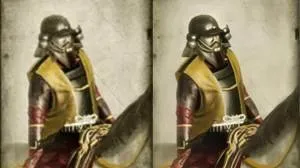
- Character models where a samurai's face appears to merge directly into his helmet.
- Anatomical errors in character artwork, such as characters appearing with extra fingers.
- Severe vegetation bugs on battle maps that players have described as "terrible to look at," with some noting the inability to disable these assets.
These issues highlight the risks of relying on generative tools to perform tasks traditionally handled by manual texture artists. The community's reaction was swift, with players using social media platforms to highlight that the "remaster" often felt like a regression in quality rather than an advancement. The technical glitches were not limited to new assets; many players also pointed out that legacy bugs from the original game remained unaddressed in this supposedly improved edition.
Steam reception and pricing controversies
The commercial reception of the remaster has been overwhelmingly negative, particularly on the Steam platform. According to recent player data, the game currently holds an overwhelmingly negative rating, with more than 81% of users advising others to avoid the purchase entirely. This sentiment is fueled not just by technical errors, but also by the pricing structure implemented by Sega.
The remaster was launched with a price tag of $40, a significant jump from the classic version. While players were offered an upgrade path for $10, the initial decision to replace the original game with the remastered version caused significant friction within the community. This perceived value gap, combined with the technical instability, led to a rapid decline in consumer confidence.
Beyond the graphics, the user interface (UI) has also come under fire. Critics have described the new design as "clunky," and the implementation of the new UI has reportedly introduced a fresh wave of software bugs. This combination of poor interface design and broken visual assets created a perfect storm of dissatisfaction that ultimately forced the publisher's hand.
Broader implications of generative AI in Sega's portfolio
The controversy surrounding Shogun 2 is not an isolated incident regarding Sega's use of generative technology. The company appears to be increasingly integrating AI into its development pipelines, a trend that is causing growing tension with its player base. This pattern was recently observed with the upcoming title Crazy Taxi: World Tour, where generative AI was utilized to create various background assets.
The Shogun 2 incident serves as a cautionary tale for the industry. As developers look for ways to reduce costs and accelerate production timelines through AI, the risk of producing unpolished or visually incoherent products increases. The backlash against Total War: Shogun 2 demonstrates that for long-standing franchises with dedicated fanbases, technical integrity and artistic consistency remain more important than the convenience offered by automated tools.
Frequently Asked Questions
Why was the Shogun 2 Remaster removed from sale?
Sega pulled the Total War: Shogun 2 - Complete Edition because of intense player backlash regarding AI-upscaled graphics and various technical bugs. The company decided to replace the remaster with the original 2011 version to address the fact that the product fell short of player expectations.
What specific graphical issues were reported by players?
Players reported several bizarre visual errors caused by AI-upscaling, including samurai faces merging with helmets and characters having extra fingers. Additionally, there were significant issues with vegetation on battle maps and a clunky new user interface that introduced several new bugs into the gameplay experience.
How much did the Shogun 2 Remaster cost?
The remastered Complete Edition was priced at $40. For players who already owned the classic version of the game, Sega offered an upgrade path at a cost of $10. However, the pricing and the replacement of the original game contributed to the negative reception.
Is Sega using AI in other upcoming games?
Yes, Sega is linked to other projects involving generative AI. For the upcoming release of Crazy Taxi: World Tour, the company utilized generative AI specifically to create various background assets for the game environment, following the same trend seen in the Shogun 2 controversy.
The future of AI-driven game development
The fallout from the Total War: Shogun 2 Remaster highlights a growing rift between rapid technological implementation and consumer expectations. While generative AI offers efficiency, the Shogun 2 experience proves that automation cannot yet replace the precision of human artistry in high-fidelity gaming. As Sega and Creative Assembly work to resolve these issues, the industry will likely watch closely to see if this setback leads to more cautious integration of AI or a continued push toward automated asset creation. For now, the priority remains restoring player trust through stability and quality.