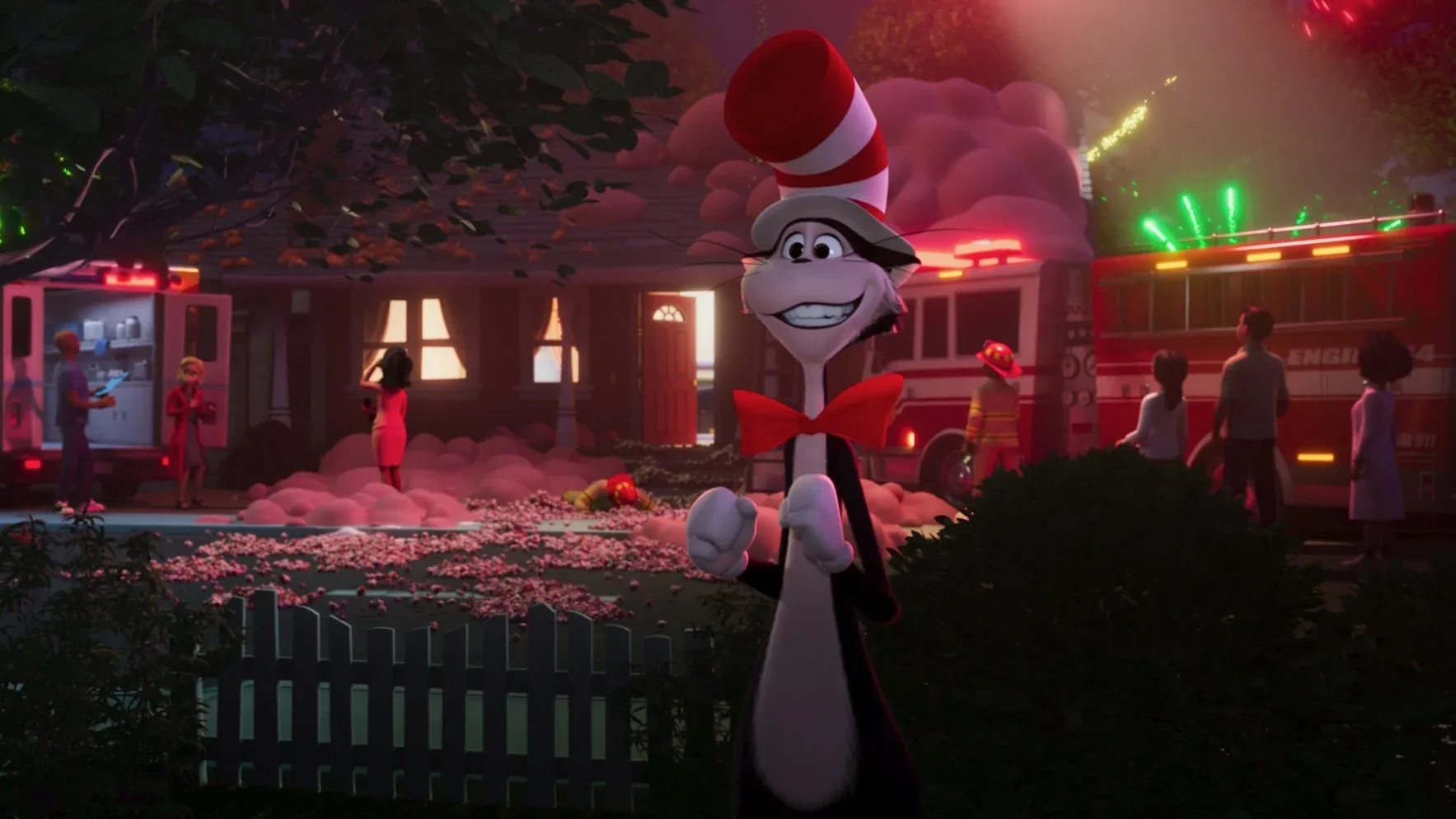
The Cat in the Hat 2026 movie review: Joy or chaos?
The Cat in the Hat 2026 movie review is a topic of much debate as fans of Dr. Seuss await the new animated adaptation. While the film attempts to recapture the whimsical spirit of the beloved character, it struggles with an increasingly complicated narrative structure. This analysis explores the voice performances, the visual direction, and whether the film successfully avoids the pitfalls of its live-action predecessor. We examine if the colorful animation can truly compensate for the pacing issues found throughout the story.
November 8, 2026
4 min read
Source: ASHENVOW
A departure from the 2003 live-action failure
The new animated iteration of The Cat in the Hat aims to distance itself from the 2003 live-action film starring Mike Myers. While the earlier attempt was widely criticized by audiences for its execution, this 2026 version seeks to find its footing through a more traditional animated medium. The shift to animation allows for a visual fidelity that aligns more closely with the original illustrations of Dr. Seuss, even if the narrative choices remain divisive.
Bill Hader takes on the iconic role, providing a voice that is described as lively and silly. His portrayal brings a sense of shenanigan-filled energy to the feline protagonist, supported by the return of classic elements like Things One and Two. However, the film's attempt to modernize the character's stakes introduces a layer of corporate tension that feels somewhat disconnected from the simple joy usually associated with the character. The inclusion of a goldfish character adds a comedic touch, acting as a moral compass amidst the chaos.
Narrative complexity and the struggle for focus
The central conflict of the film revolves around the Cat's professional stability. Unlike previous iterations that focused purely on mischief, this story posits that the Cat might actually lose his job. He is tasked with bringing joy to a brother and sister who have recently moved and are struggling with sadness. This emotional core is complicated by a looming threat from a bullying boss who is concerned about the collateral costs of the Cat's chaotic methods of entertainment.
While the premise of a "job at risk" provides a modern hook, the plot quickly becomes overcrowded. The story attempts to balance multiple subplots, including a mother-daughter conflict and a MacGuffin that leads into time-travel distractions. This layering of genres—from domestic drama to sci-fi elements—results in a narrative that feels stretched thin. The presence of a pursuing monster and a pesky landlady further adds to the frantic pace, often leaving the central message feeling quixotic and unmoored.
A crowded script structure
The screenplay, written by Erica Rivinoja and Alessandro Carloni, struggles to maintain a singular tone. By trying to incorporate every possible trope, the film risks losing the whimsical simplicity that made Dr. Seuss a global phenomenon. The transition from childhood wonder to corporate anxiety creates a tonal dissonance that may confuse younger viewers.
Visual artistry vs. juvenile humor
Visually, the film is a standout achievement. Directed by Erica Rivinoja and Alessandro Carloni, the animation is characterized by warm tones and a delicate texture that pays homage to the source material's aesthetic. The brightness of the world is a welcome change from the darker tones of previous adaptations, offering a vibrant landscape for the characters to inhabit.
The voice cast supports this visual quality with spirited performances. Alongside Bill Hader, the film features notable talents including Quinta Brunson, Xochitl Gomez, and Matt Berry. These performers bring a level of professional energy that keeps the dialogue moving, even when the script leans into repetitive territory. However, the film's reliance on certain types of comedy creates a rift between the high-quality animation and the actual content.
A significant critique of the production is the frequency of "potty humor." While Dr. Seuss was known for being kooky and unconventional, the film's reliance on fart jokes is seen as a departure from the author's actual style. This choice can make the experience feel less like a classic literary adaptation and more like a standard modern children's comedy, occasionally undermining the sophisticated textures of the animation.
Final verdict on the 2026 adaptation
Ultimately, The Cat in the Hat 2026 is a mediocre entry in the Dr. Seuss filmography. It is undeniably an improvement over the Mike Myers version, yet it fails to reach the heights of the original books. The combination of beautiful animation and a talented voice cast cannot fully compensate for an overstuffed plot and a tonal identity crisis. While there is enough fun to be had for a casual viewing, the film lacks the cohesive magic required to become a definitive version of this iconic character.
FAQ
Is The Cat in the Hat 2026 a live-action or animated movie?
The 2026 version of The Cat in the Hat is an animated film. This is a significant departure from the 2003 live-action adaptation starring Mike Myers, aiming to use animation to better capture the whimsical and textured world originally created by Dr. Seuss.
Who voices the Cat in the Hat in the new movie?
Bill Hader provides the voice for the titular character in the 2026 animated film. His performance is described as lively and silly, bringing a sense of high energy and shenanigans to the role, which is central to the film's comedic attempts.
What is the main plot of the 2026 film?
The plot follows the Cat as he attempts to bring joy to two children who have recently moved. However, the story is complicated by the threat of the Cat losing his job due to a demanding boss, alongside subplots involving time travel and various monsters.
How does the animation look in the new movie?
The animation, directed by Erica Rivinoja and Alessandro Carloni, is noted for being warm, bright, and delicately textured. The visual style is considered a strength of the film, providing a high-quality aesthetic that aligns well with the spirit of Dr. Seuss's illustrations.