
How does Silent Hill: Townfall subvert traditional horror combat?
Silent Hill: Townfall challenges the standard power fantasy found in many survival horror titles. In typical horror games, discovering a shotgun provides a sense of relief, transforming the player from a victim into a hunter. However, Townfall deliberately complicates this dynamic by making the act of self-defense feel morally heavy and psychologically taxing.
Players often approach horror games with a 'pacifist' mindset, preferring stealth or environmental tools—such as a CRTV or simple planks—to avoid direct confrontation. This approach maintains a sense of vulnerability. The shift occurs when the player finally acquires a firearm, specifically a shotgun, to manage escalating threats. Instead of feeling empowered, the player is forced to witness the grim reality of their efficiency. The game uses combat not just as a mechanic for survival, but as a narrative tool to illustrate the cycle of rage and death that defines the series' curse.
The shift from survivor to predator
The transition from fleeing monsters to hunting them creates a psychological friction. When players use high-powered weapons to clear paths, they often realize too late that they have adopted the very aggression they were trying to escape. This mechanic ensures that every shot fired carries a narrative weight that transcends simple resource management. By the time the player realizes the consequences, they have already become the aggressor, mirroring the very darkness they were attempting to navigate.
What are the 'widow' monsters and how do they behave?
The widows represent a unique and unsettling addition to the Silent Hill bestiary, specifically encountered during Richard's segment in a ten-story office building. These creatures are described as bloodied entities with shrouds of flesh obscuring their faces, creating a visual sense of mourning and decay.
Unlike traditional monsters that might engage in direct, heavy combat, the widows utilize hit-and-run tactics. Their behavior includes:
- Hiding in shadows, under desks, or behind doors to ambush players.
- Performing quick, stabbing attacks with knives.
- Retreating immediately to new hiding spots after an engagement.
Initially, these encounters feel like minor nuisances rather than lethal threats. Because their individual damage output is relatively low, players may be tempted to ignore them or treat them as obstacles to be bypassed. However, the cumulative effect of their constant interruptions—especially during critical moments like looting—eventually drives the player toward a violent resolution. This escalation is a calculated design choice intended to push the player into using lethal force, turning a minor annoyance into a catalyst for tragedy.
Why does using a shotgun lead to player guilt?
The guilt experienced in Silent Hill: Townfall stems from the tragic context revealed after the combat has concluded. After using a shotgun to clear the office building of widows, the player is presented with the aftermath of their efficiency: piles of dead bodies that are not merely monsters, but tragic figures.
The realization comes when observing the details of the fallen creatures. The widows are found with photos of their deceased loved ones stapled to their bodies. This detail transforms the combat from a survival necessity into an act of unintentional cruelty. The player realizes that they have been hunting beings that were likely acting out of grief and rage, rather than pure malice. By attempting to 'clear the way' for easier movement, the player effectively perpetuates the cycle of violence that fuels the town's curse, essentially becoming the monster they feared. The realization that some monsters may have simply been hiding from the player adds a layer of retrospective horror to the violence.
The impact of greed and hubris
The drive to loot and secure resources often serves as the catalyst for this moral descent. In the pursuit of game progression and item collection, players may overlook the humanity (or the remnants of it) in their enemies. This pursuit of loot, described as a precious pastime, becomes the very thing that triggers the player's decision to use lethal force, leading to a sense of profound regret once the dust settles and the true nature of the victims is revealed.
How does the character of Richard enhance the narrative?
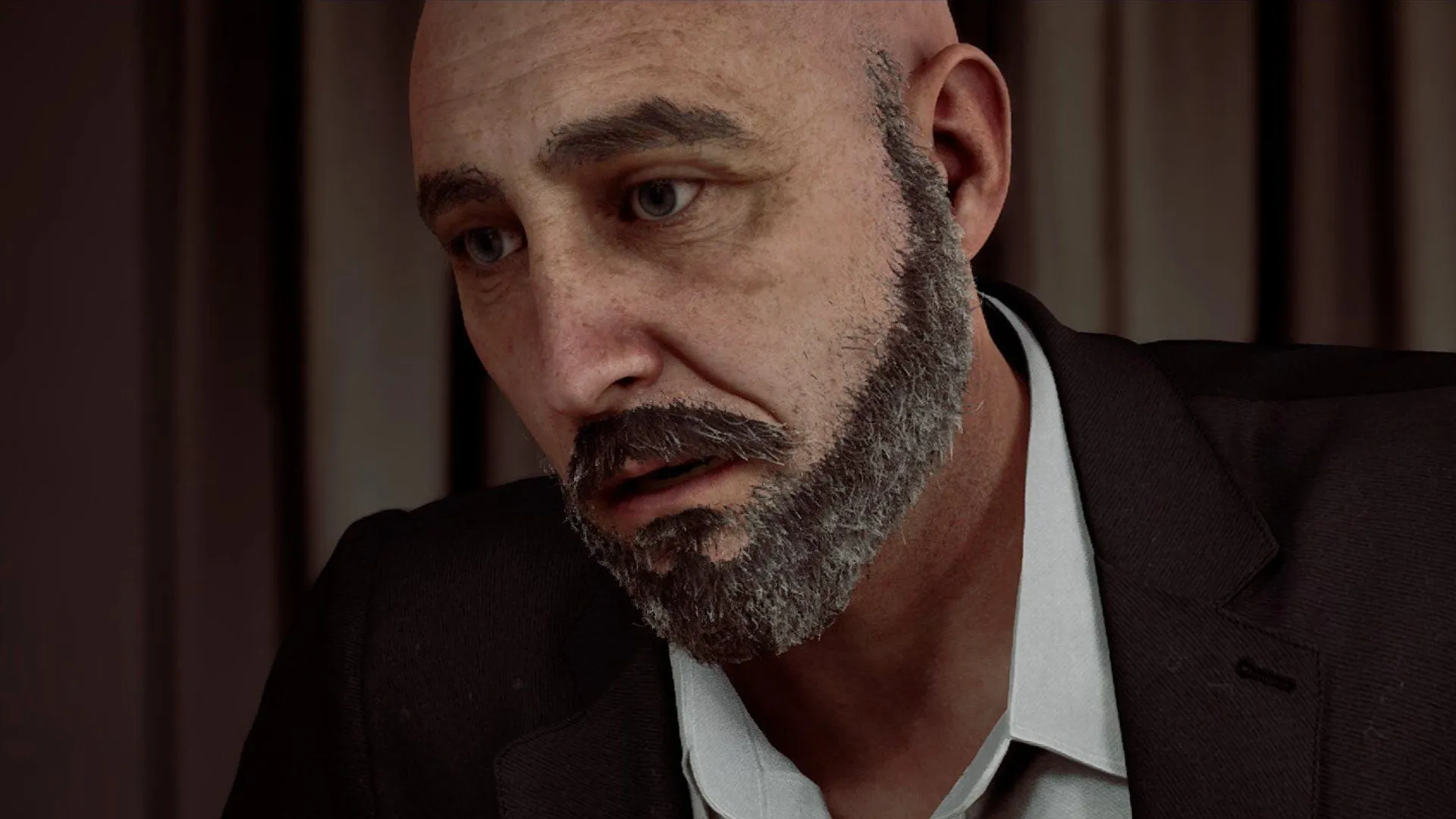
The segment involving Richard serves as a masterclass in character development within a condensed gameplay window. Through the atmosphere and the specific challenges of the office building, the game conveys the complexity of a character who is not merely a 'pantomime villain' but a deeply flawed individual driven by internal turmoil.
Richard is depicted as a man who possesses an immense amount of inner strife, rage, and regret. This emotional volatility is what makes him a perfect vessel for the Silent Hill curse. Crucially, the narrative suggests that Richard does not view himself as an antagonist; rather, he believes his actions are necessary for his own survival and for the perceived good of the town. This nuance elevates him from a standard villain to a complex figure that players are encouraged to examine rather than simply dislike. His twisted psyche provides a window into how the environment of Silent Hill warps human intent into something unrecognizable and destructive.
FAQ: Silent Hill: Townfall Combat and Narrative
Does using weapons lead to a bad ending?
Yes, the tendency to use lethal force, such as the shotgun, is linked to receiving the bad ending. The game tracks the player's moral choices, and the aggressive pursuit of monsters like the widows can lead to outcomes that reflect a failure to navigate the town's psychological challenges.
What makes the widow monsters unique?
The widows are unique due to their hit-and-run combat style and their tragic backstory. They hide in shadows and ambush the player, but the discovery of their connection to deceased loved ones via stapled photos changes the player's perception of them from monsters to grieving entities.
Can you play Silent Hill: Townfall as a pacifist?
While a pure pacifist run is difficult, players can adopt a strategy of avoiding combat by using stealth and environmental objects. Many players find that forgoing weapons like pistols or pipes in favor of strategy allows for a different, perhaps more empathetic, experience of the game.
How is Richard's character portrayed?
Richard is portrayed as a complex character driven by intense inner turmoil and rage. Instead of being a one-dimensional evil, he is a man who believes his actions are justified, making him a deeply layered figure within the context of the Silent Hill curse.
What is the significance of the office building setting?
The ten-story office building serves as the primary stage for Richard's segment. It provides a claustrophobic environment where the widows can effectively use shadows and furniture to ambush the player, heightening the tension and the eventual impact of the combat's aftermath.
Key takeaways
- Silent Hill: Townfall uses combat to induce player guilt rather than empowerment.
- The 'widow' monsters use ambush tactics and are linked to tragic backstories.
- Using a shotgun can lead to the game's 'bad ending' due to moral implications.
- Character depth is achieved through Richard's complex motivations and inner strife.
The psychological weight of survival
Silent Hill: Townfall succeeds by refusing to let the player off the hook for their survival instincts. By turning the shotgun—a staple of the genre—into a source of regret, the game forces a confrontation with the idea that survival often comes at a moral cost. It moves the horror from the external threat of the monsters to the internal realization of the player's own capacity for violence. This shift ensures that the experience lingers long after the screen goes dark, transforming a simple gameplay mechanic into a profound commentary on the nature of the curse.


