
The evolution from Dragonwilds to RuneScape 4
RuneScape 4 emerged unexpectedly from a development cycle originally intended for a Dragonwilds expansion. According to MMORPG.com, the project was initially conceived as additional content for Jagex's survival title, Dragonwilds. However, the scope of the project shifted significantly due to direct player feedback during the testing phases.
A Jagex developer noted that playtesters frequently requested a more traditional MMO experience that utilized the specific setting and aesthetic established in the survival game. This demand for a structured, large-scale multiplayer environment prompted the studio to pivot from a simple expansion to the development of a completely new standalone sequel. This transition suggests that the world-building efforts in Dragonwilds provided a fertile foundation for what is now becoming a cornerstone of the RuneScape brand.
A hybrid aesthetic approach
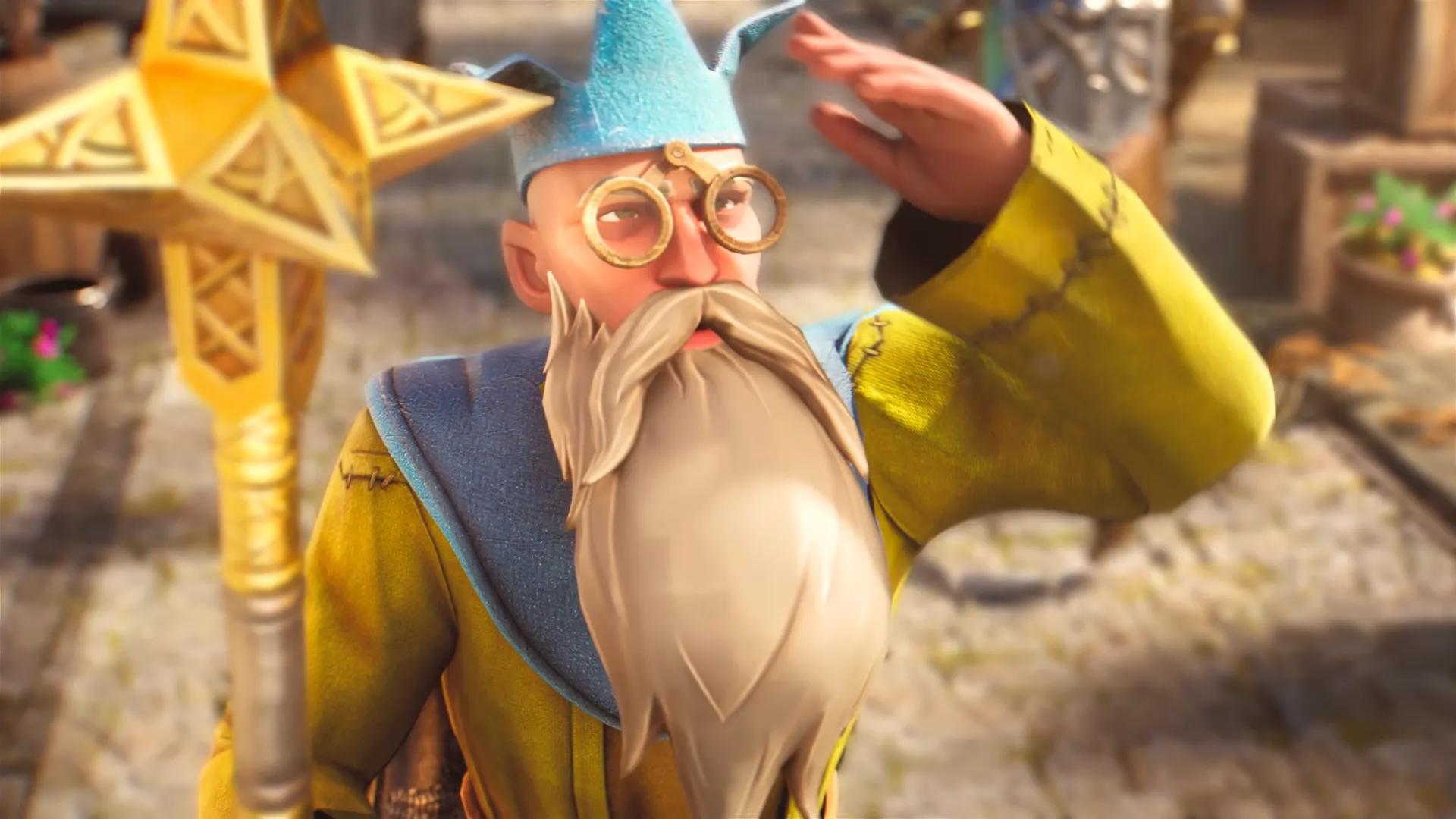
The visual direction for the new title appears to be a sophisticated blend of different eras within the franchise. A teaser trailer released during RuneFest showcased an art style that combines the modern elements of RuneScape 3 with the nostalgic charm of Old School RuneScape, which draws inspiration from the series' peak in the 2000s. The imagery depicts a lush, medieval landscape featuring verdant valleys, floating islands, and a town reminiscent of classic fantasy adventures.
Technical foundations and development timeline
The development of RuneScape 4 is being powered by Unreal Engine, marking a significant technical shift for the series. While the specific version of the engine has not been explicitly confirmed, there is speculation regarding whether the team is utilizing Unreal Engine 5 or the forthcoming Unreal Engine 6. This move toward a high-fidelity engine is intended to support the ambitious scale and visual complexity shown in the recent teaser footage.
Regarding the release schedule, the shift in project scope has likely impacted the original roadmap. According to MMORPG.com, the original Dragonwilds expansion was targeting a 2027 release. However, the decision to scale the project up into a full-fledged MMO sequel has almost certainly pushed the launch date further into the future. Players can expect a more complex and polished experience, but they will likely need to wait longer than originally anticipated for the official debut.
Understanding the RuneScape numbering legacy
The introduction of the "4" designation follows a specific historical pattern established by Jagex over the last two decades. Understanding how the studio maps its releases provides context for where this new title fits within the gaming landscape. The lineage of the franchise is defined by major technological and systemic overhauls rather than simple incremental updates.
- RuneScape (2001): The original release that established the foundation of the series.
- RuneScape 2 (2004): A landmark update that introduced full 3D rendering to the game.
- Old School RuneScape: A highly successful version based on the RuneScape 2 era, specifically around 2007.
- RuneScape 3 (2013): A massive overhaul of both the art style and core game systems, which remains the current primary fork of the game.
By labeling the new project as RuneScape 4, Jagex is signaling that this is not merely an update to the existing ecosystem, but a significant new chapter that will redefine the technical and gameplay standards of the franchise.
Frequently Asked Questions
What is the origin of RuneScape 4?
RuneScape 4 began as a planned expansion for the survival game Dragonwilds. Because playtesters expressed a desire for a more traditional MMO experience within that setting, Jagex decided to expand the project into a full, standalone sequel instead of a simple content update.
Which game engine is being used for the new MMO?
Jagex is building RuneScape 4 on Unreal Engine. While the developer has not confirmed the exact version, industry discussions suggest the game will utilize either Unreal Engine 5 or the upcoming Unreal Engine 6 to achieve its high-fidelity visual goals.
When will RuneScape 4 be released?
An exact release date has not been announced. While the original Dragonwilds expansion was aimed for a 2027 release, the decision to scale the project into a full MMO sequel is expected to delay the final launch of RuneScape 4.


